Indian Express
Indian Express··2 min read
Bandipur and Nagarahole safaris set to fully reopen as 20 tigers caught in 7 months
3 min readBengaluruUpdated: Jun 28, 2026 01:49 PM IST
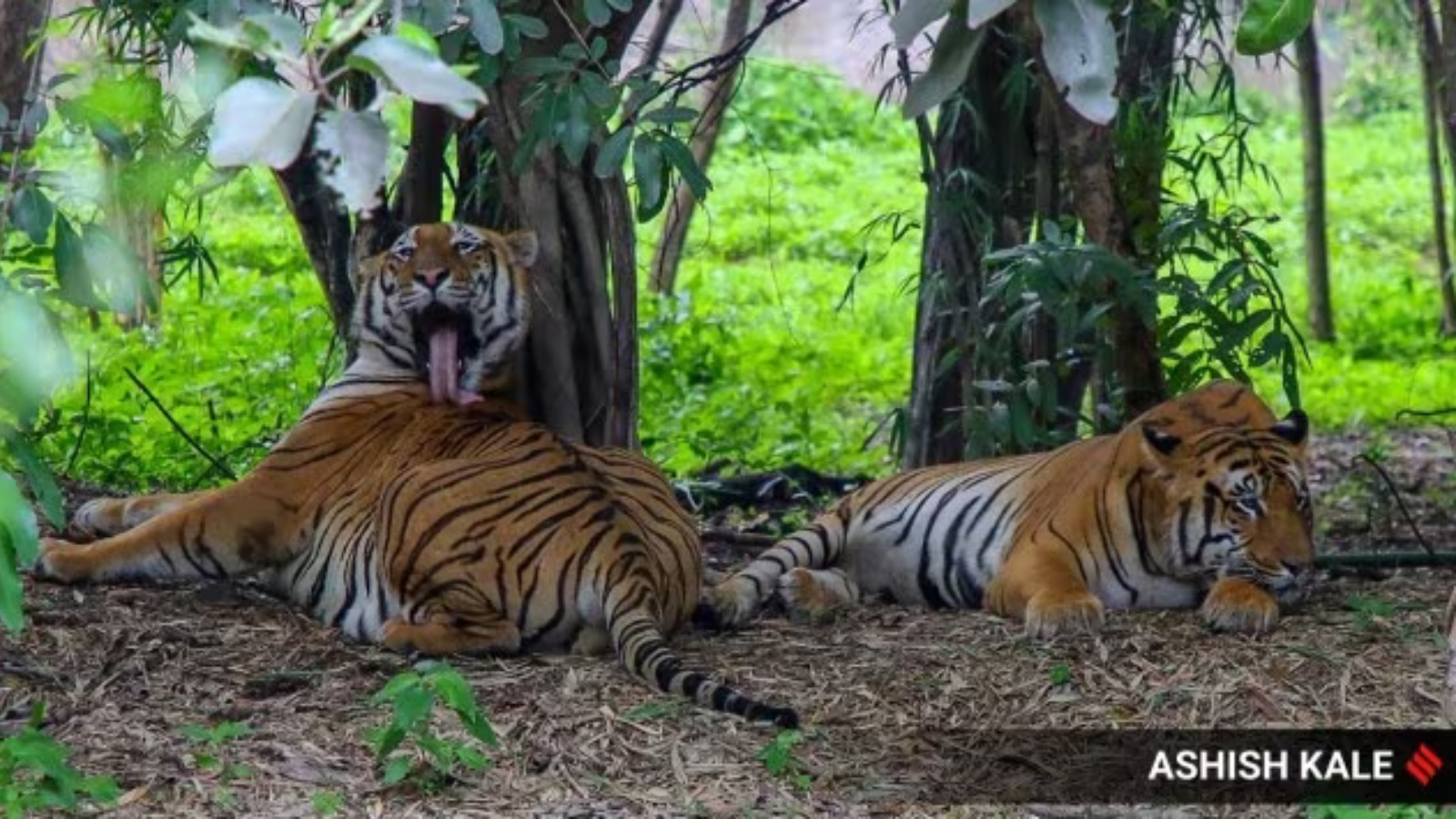
The Karnataka government has approved the full reopening of jungle safari operations at Bandipur and Nagarahole Tiger Reserves, ending seven months of restrictions imposed after a spike in human-wildlife conflict (File photo).
The Karnataka government has decided to fully restore jungle safari operations at the Bandipur and Nagarahole Tiger Reserves, seven months after services were restricted following intense human-wildlife conflicts.
The decision is based on a comprehensive assessment of the forests’ scientific carrying capacity, conducted by a technical committee of wildlife experts and state officials. The state government formally accepted the expert panel’s report and directed the Forest Department to operate the safaris under a regulated framework to maintain ecological balance.
Operations were originally suspended on November 7, 2025, due to public protests following a sharp increase in human-animal conflict in villages bordering the reserves. In February this year, the government permitted a partial, phased resumption, cutting operating hours and slashing the number of vehicles allowed inside the parks by half.
Balance of eco-tourism and local livelihoods
The prolonged restrictions took a substantial economic toll on the region’s tourism sector. Industry representatives estimated that around 35 resorts surrounding the two premium reserves were collectively losing nearly Rs 3 crore per day, directly affecting roughly 8,000 livelihoods.
The annual revenue generated by these safaris ranges from Rs 25 crore to Rs 27 crore, with a state mandate requiring that 35 per cent of these collections be channelled directly into local community development.
“Karnataka holds immense potential in eco-tourism and has consistently followed a model of sustainable tourism which generates local employment and livelihood opportunities while boosting the local economy,” a statement issued by the government noted.
“The State remains committed to an eco-tourism framework that safeguards ecological integrity while ensuring tourism contributes positively to wildlife conservation.”
Story continues below this ad
During the initial scale-back, safari durations at Bandipur were reduced from eight hours to five hours daily, while similar curbs were implemented at Nagarahole and Sunkadakatte. Safety upgrades were also mandated, including retrofitting existing safari vehicles with protective iron bar grills or shatterproof glass, banning open-top jeeps, and stationing ambulances near major transit points.
Mitigation of human-wildlife conflicts
To mitigate ongoing human-wildlife friction before restoring full capacity, the Forest Department launched a massive field operation, tracking and
capturing more than 20 tigers from high-conflict borders. Officials have also reinforced a 100-kilometre critical stretch of the Bandipur perimeter with 25 dedicated anti-poaching camps and round-the-clock monitoring command centres.
With the government’s final approval of the panel’s carrying-capacity report, safari services are set to return to their regular pre-restriction schedules, subject to official implementation by local reserve directors.
Recent incidents
In May, Tulasi, 33, a resident of Chennai, was killed in the Dubare elephant camp during a fight between two captive elephants.
Story continues below this ad
In May, Harshith Gowda, a 10-year-old from Bengaluru, was killed by a Leopard while he was walking in Male Mahadeshwara hills as part of a pilgrimage.
In February, two labourers were killed in separate elephant attacks while they were at work in estates.
View original source — Indian Express ↗
Related stories

The Punch
NewsJun 28, 2026 · 1 min
LASTMA unveils free hotline for traffic complaints, emergencies
The Punch
The Punch
NewsJun 28, 2026 · 1 min
Abia North group endorses Otti for second term
The Punch
The Punch
NewsJun 28, 2026 · 1 min
France records around 1,000 excess deaths in heatwave — Health agency
The Punch
The Punch
NewsJun 28, 2026 · 1 min
My mother trained me selling akara, bananas, Tinubu’s aide backs First Lady’s remarks
The Punch