
Indian Express
Carlos Queiroz slams expanded 48-team FIFA World Cup: ‘Vulgar and ordinary’
Queiroz believes the expansion has diluted the value of the qualification process, particularly in Europe. (AP Photo)
Ghana coach Carlos Queiroz has criticised the expanded 48-team FIFA World Cup format, calling it “vulgar and ordinary” and warning that the tournament risks losing the exclusivity that has traditionally made it football’s biggest prize.
The former Real Madrid manager questioned whether qualification still carries the same significance when almost a quarter of FIFA’s 211 member associations can reach the finals.
“I believe that value comes when things are rare. The number of teams that can qualify for this competition can turn it into something vulgar and ordinary. When so many teams can qualify, is the value still rare? That would seem debatable to me, but it is only my opinion,” Queiroz said after Ghana’s 2-1 defeat to Croatia.
The 2026 edition is the first World Cup to feature 48 teams, expanding from the 32-team format that had been in place since France 1998. The enlarged competition has increased the number of matches from 64 to 104 and guarantees more places for every confederation, with FIFA arguing that the move allows greater global representation and creates more opportunities for emerging football nations.
Queiroz, however, believes the expansion has diluted the value of the qualification process, particularly in Europe.
“Who did not qualify in Europe? The qualification tournaments start to lose their significance if everyone qualifies. Qualification should be serious, it should be very tough, very competitive. The World Cup should be something with meaning and significance. It should be rare,” he said.
The Portuguese coach also suggested commercial interests had become the driving force behind football’s biggest decisions.
Story continues below this ad
“But, as you know, today, money talks in the game. Where we used to talk about football, it is now moneyball,” he added.
The expansion has remained one of the most debated changes introduced under FIFA president Gianni Infantino. Supporters argue that a larger World Cup offers more countries the chance to compete on the biggest stage, helping the sport grow beyond its traditional powerhouses while generating greater investment in developing football nations.
Critics, however, have questioned whether the expanded format weakens the quality of the competition, stretches an already congested international calendar and reduces the difficulty of reaching the finals.
Several traditional football powers, including Italy, have failed to qualify for recent World Cups under the 32-team format, while nations from Asia, Africa, North America and Oceania have welcomed the additional qualification places under the new system.
Story continues below this ad
Despite his reservations about the tournament’s expansion, Queiroz insisted his comments reflected his personal opinion rather than criticism of the teams that have earned their place.
“I believe that value comes when things are rare… but it is only my opinion,” he said.
The decision to expand the World Cup from 32 to 48 teams was approved unanimously by FIFA’s Council in January 2017, less than four months after Gianni Infantino was elected FIFA president. Infantino had made expansion a key campaign promise, arguing football’s biggest tournament should be more inclusive and offer more nations the opportunity to compete globally.
UEFA has 16 guaranteed places, Africa nine, Asia eight, CONCACAF six, CONMEBOL six and Oceania one, with two additional spots decided through intercontinental playoffs. FIFA have said the changes broaden participation.
View original source — Indian Express ↗
Related stories

The Punch
SportsJun 28, 2026 · 1 min
World Cup: Meet nine African teams in the knockout stage
The Punch
Indian Express
SportsJun 28, 2026 · 1 min
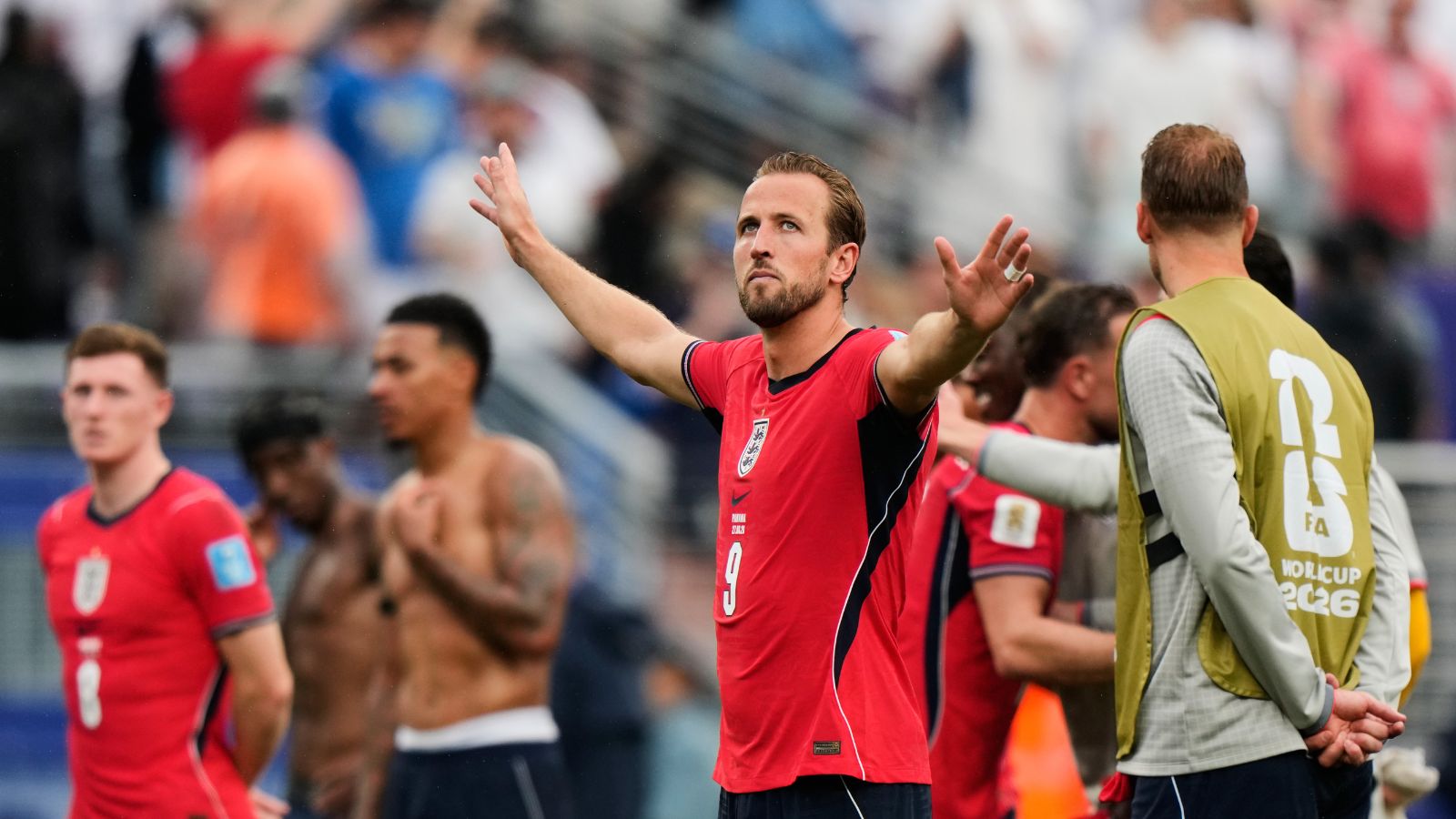
‘Sorry Gary’: Kane’s cheeky message to England great after breaking his record
Indian Express
ESPNcricinfo
SportsJun 28, 2026 · 1 min
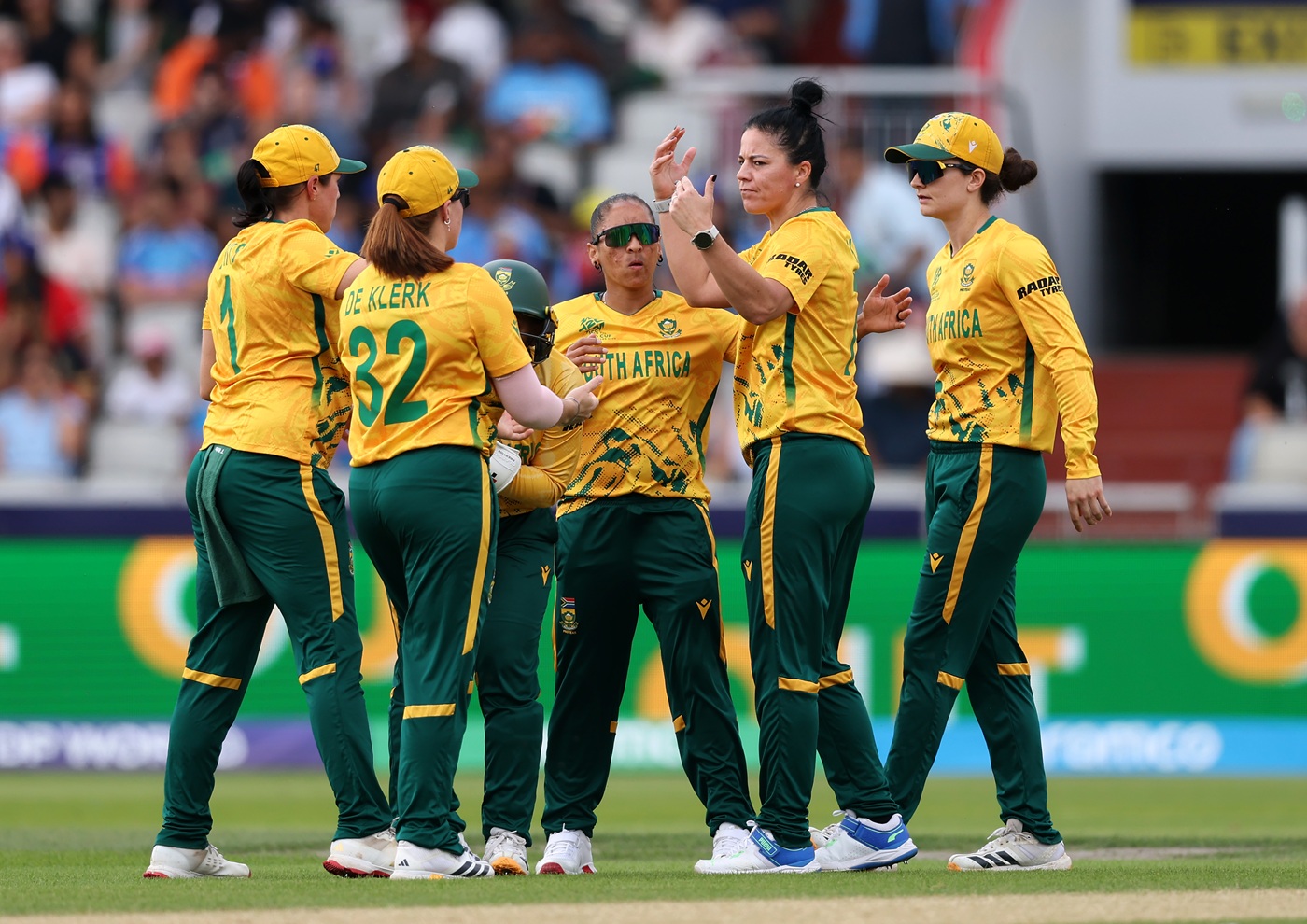
Bangladesh opt to bat, SA unchanged in high-stakes game
ESPNcricinfo

BBC Sport
SportsJun 28, 2026 · 1 min
How to win a World Cup penalty shootout
BBC Sport