Indian Express
West Asia crisis underscores need for reforms, energy diversification; PLI push must continue: CII President
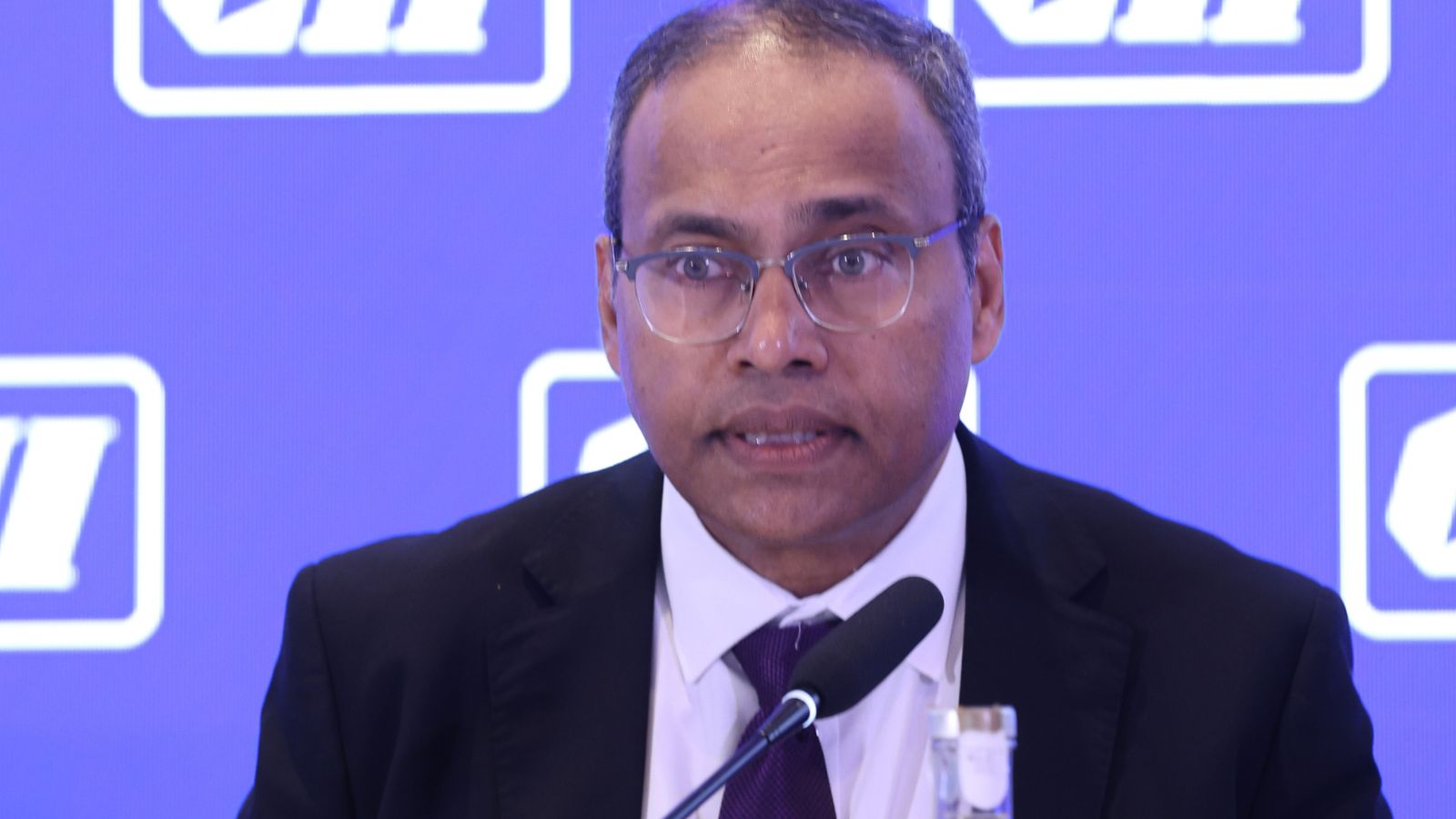
Resource mobilisation had been a serious concern for the industry during the West Asia crisis, and with the easing of the crisis, efforts must shift to a faster pace of exploration which would also address India’s steep import dependence in several areas, said Confederation of Indian Industry (CII) President R. Mukundan in an interview with The Indian Express.
Mukundan said the government should keep pushing the production-linked incentive scheme (PLIs), particularly focusing on areas which have export potential and also in sectors where there is high import intensity. He said there should be a PLI scheme for chemicals which go into active pharma ingredients, as the pharma industry has already been a success for the country. Edited excerpts:
How should challenges originating from the West Asia crisis be addressed?
There is alignment within government and industry on the need for reforms. And I put them in broadly four buckets of what I call a foundational reform, factor reform, future-ready reform, and fiscal and monetary. The foundation reforms for us at this point of development are ease of doing business, costs of doing business and speed of doing business. Because of the war, resource mobilisation has been a big issue. So, our exploration must be increased. For industries’ self-interest, we have to make sure MSMEs are equally capable. Diversifying supply chain resources for oil, gas, and critical minerals will be an important issue going forward.
How do you see India’s energy future? Small modular reactors are pitched in a big way.
India needs not just diversity of source of supply, but also needs diversity of supply itself. So, when I say diverse supply — it is not just wind, solar, biomass, biofuel. It also means having nuclear power and hydro. Tidal energy will also be another big one. Our power needs are going to be 10 times when the economy doubles and triples. So, we have to go in all directions.
On nuclear, about five to six companies are going through the process of bidding and partnering. Firstly, the technology is not available. Even if it is available, it is 10 times more expensive. And India has a proven track record of building, designing and delivering.
Should the focus be on capital when it comes to nuclear?
Financing will come from multiple sources. You need a partner to run the unit. The running partner effectively has to be the industry.
Story continues below this ad
SMRs (small modular reactors) are very important. SMRs will also help us get what you call a distributed grid to ensure there is a base load. There are companies which need continuous power as a backup… about 200-300 MW… they can depend on SMRs. The world is also moving towards microreactors. Hence, innovations will keep coming, and we have to keep pace with them.
Our large industries are very focused on upstream, and MSMEs face challenges in procuring input items, then face hurdles like QCOs.
I think there are issues with both. When we invest in downstream, the issue we pick up is that there is no upstream.
When investment happens upstream, there is no downstream. This is fine; it is part of growing up and will get resolved. If you look at electronics, we started downstream. First came the assembly of the final phone. Now, the components will follow. For instance, we are ordering thousands of aircraft. The moment these aircraft start coming in, people will ask, why are we repairing them abroad? That conversation will begin tomorrow. Once it starts, demand for technical testing, maintenance, repair and overhaul (MRO) services will also increase. The entire industry develops only when a certain scale is achieved.
How should the government approach PLIs now?
PLI has to be continued. There is success in some segments, while some haven’t worked out. We have to ensure that the segments with export potential are supported, as well as those with high import intensity. And where the policy has to be modified, we should continue with it.
Story continues below this ad
Because the benefits coming out of PLI for the government in terms of tax collection and employment generation are very high. For the Indian industry as well, it’s a big opportunity to scale. We have long said that there must be a PLI scheme for chemicals which go into active pharma ingredients. And we need to put that in place. Pharma is a big success story but we need to have a scheme to support and de-risk those investments as well.
How do you assess the current state of India’s critical minerals ecosystem?
Mining is a 7-10 year business. We started late anyway, but it is better than not starting at all. We have to ask for the exploration to finish, the sites to be identified, and where the mineral extraction has to be done. Then, mining plans have to be created, followed by the processing facilities. So, I think we will go through the process. There is P1, P2, P3 businesses. You can’t expect P1 to become P3 overnight. P1, then there will be more drilling cores done, a lot more — let’s say samples taken out to prove the deposit size. Only then you will have a bankable report. Those are the ways to debt financing. Debt financing won’t come at that. So, we are going through a process. Let it happen. At least licenses have been given.
How are you seeing the US deal? Do you think it will usher in investments?
The biggest market in terms of the dollar market is the US, and on number two is the EU. We have deals with the UK and EU already; we just need to strike a deal with the US, and we would be covered by the top economies of the world. Whether you need technology, market or capital, these are the two places where our biggest bet is going to be.
These things will fix our exports. But as far as imports are concerned, we are still pretty dependent on China, especially in chemicals?
If you look at the biggest import item, it is fertilisers — chemicals, phosphates, etc. Firstly, we have to explore more to get more phosphate deposits. Without that, you cannot even start it. You do not have the ore. And in terms of ore, you need to diversify. When I say diversify, I mean looking at alternative markets for imports. Saudi Arabia, Morocco, Jordan, and Tunisia are all major phosphate producers.
View original source — Indian Express ↗
Related stories

Japan Times
BusinessJun 29, 2026 · 1 min
China blacklists more Japanese entities as row deepens
Japan Times
Bloomberg
BusinessJun 29, 2026 · 1 min
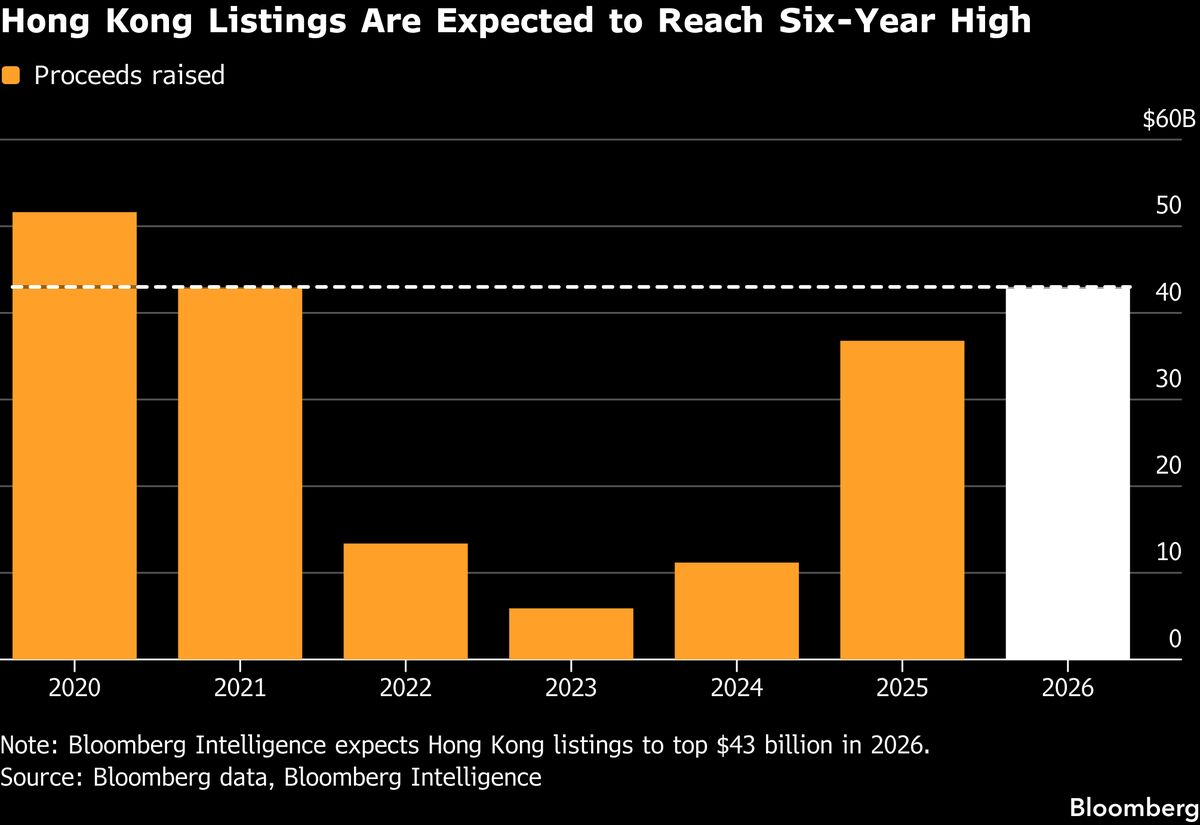
GM-Backed Self-Driving Firm Momenta Seeks $752 Million From Hong Kong Listing
Bloomberg

CNA
BusinessJun 29, 2026 · 1 min
Asian stocks mixed and oil rises as US, Iran call end to latest attacks
CNA
Dawn
BusinessJun 29, 2026 · 1 min
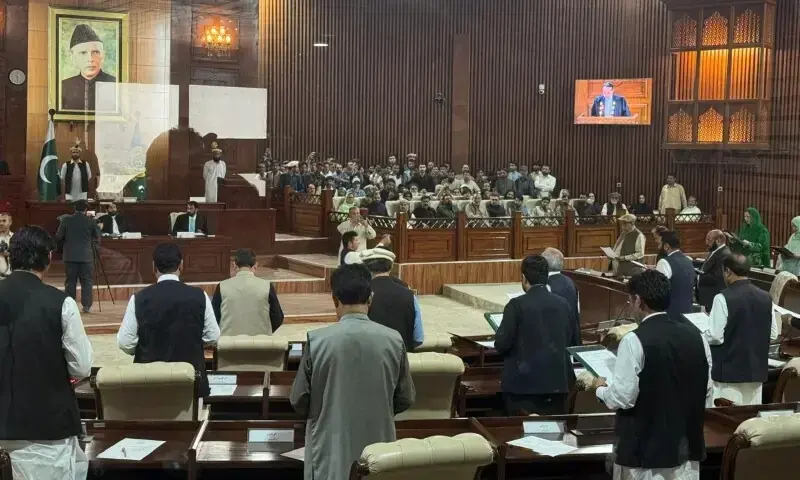
GB CM’s swearing-in postponed due to party chief’s unavailability
Dawn