CNA
Dollar poised for best month in nearly a year; eyes on Gulf tension, jobs data
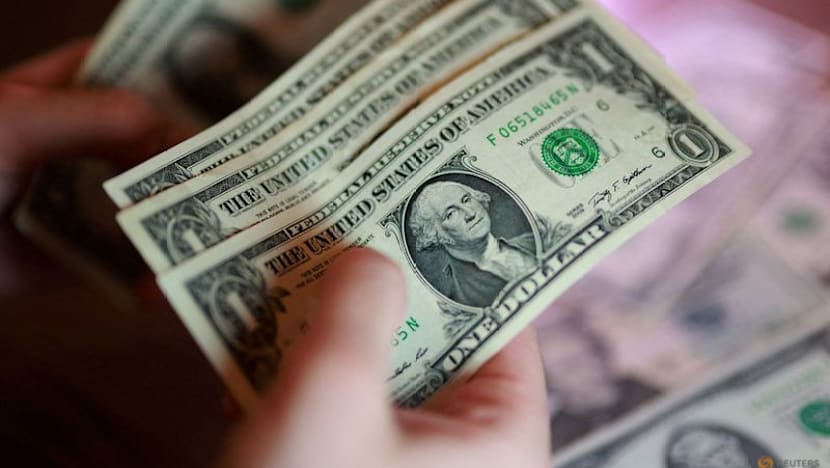
HONG KONG, June 29 : The U.S. dollar held firm on Monday, on track for its biggest monthly gain in nearly a year, as Gulf tensions and elevated Treasury yields underpinned demand ahead of key jobs data later in the week.
The U.S. and Iran traded fresh barbs over the weekend before they agreed to stop tit-for-tat attacks and meet in Qatar on Tuesday, leaving investors nervous about the declared ceasefire.
Oil prices rose on Monday as strikes again slowed energy shipping in the Strait of Hormuz, supporting safe-haven bids for the greenback.
The euro was flat at $1.1386 after hitting a 13-month low against the dollar last week and on track for a 2.4 per cent monthly decline. Sterling traded 0.1 per cent lower at $1.3198 and was down 1.9 per cent for the month to date.
The risk-sensitive Australian dollar fetched $0.6889, heading for a 4.1 per cent monthly decline. The New Zealand dollar hovered near a seven-month low at $0.5646, down 5.8 per cent for the month.
The Japanese yen last traded at 161.75, continuing to languish near a 40-year low.
The dollar index, which measures the greenback against a basket of currencies including the yen and the euro, was steady at 101.34, near the 13-month high seen last week.
It is now on track for a 2.5 per cent gain for June, which marks the biggest monthly advance since July last year.
Tensions in the Middle East have continued to stoke inflation pressures, while a surprisingly hawkish debut from Kevin Warsh as Federal Reserve chair earlier in the month has reversed market expectations for rate cuts this year and sent Treasury yields sharply higher.
The market narrative has shifted to a "high-for-longer" U.S. rates environment following the June Federal Open Market Committee meeting, which anchors the dollar's strength amid macro strength, according to Lloyd Chan, a senior currency analyst at MUFG Bank.
"USD downside likely remains contained unless there is a clear dovish pivot by the Fed or a material deterioration of US macro data," he said.
ECB FORUM, U.S. JOBS DATA IN FOCUS
Investors are now watching U.S. non-farm payrolls and the unemployment rate due this week, which could offer fresh clues on the strength of the labour market and the outlook for Fed policy.
"We expect the USD to grind higher in coming weeks because of the 'US exceptionalism' narrative," Joseph Capurso, head of foreign exchange at Commonwealth Bank of Australia, said in a note.
A strong and improving labour market is a recipe for higher U.S. interest rates and the dollar, he said.
The European Central Bank's annual forum this week is also under close watch as investors continue to monitor evolving central bank policies amid lower oil prices and stock market volatility.
ECB President Christine Lagarde opens the forum on Monday, followed by a key policy panel on Wednesday featuring Fed Chair Warsh, with markets looking for a clearer read on the new Fed chief.
Related stories

The New York Times
BusinessJun 29, 2026 · 1 min
Oil Prices Rise on Possible Deal to Suspend Attacks in Gulf
The New York Times

Rio Times
BusinessJun 29, 2026 · 1 min
Domino’s Brazil Goes 100% Franchised as High Rates Bite
Rio Times

Rio Times
BusinessJun 29, 2026 · 1 min
Court Suspends Oi’s US$870M V.tal Stake Sale to BTG Funds
Rio Times

CNA
BusinessJun 29, 2026 · 1 min
Oil steadies as US and Iran agree to halt attacks
CNA