South China Morning Post
How the Northern Metropolis university town can deliver on innovation
The recent visit of Xia Baolong, director of the Hong Kong and Macau Affairs Office, carried the task of accelerating the development of the Northern Metropolis. This is not another urban expansion, but a strategic test of whether Hong Kong can reinvent its role in the nation’s innovation landscape.
At its core, the Northern Metropolis bears a dual mission. For Hong Kong, it must become a growth engine, creating a third curve of development, beyond finance and real estate, by nurturing original innovation, driving technological breakthroughs and attracting high-end talent. For the nation, it must serve as a global centre for science and technology, talent and frontier research.
This task makes the university town uniquely important. Given the limited land available, its success depends on creating a new type of university governed through a consortium model. It is neither a campus relocation nor a conventional expansion zone, but a once-in-a-generation opportunity to reshape Hong Kong’s economic foundation and strengthen China’s innovation autonomy.
Despite its strategic mission, early signs of concern have surfaced. In June, the Education Bureau announced that 19 local institutions had submitted proposals for the Northern Metropolis. The response was enthusiastic, but the common requests were clear: relieve campus pressure and improve facilities.
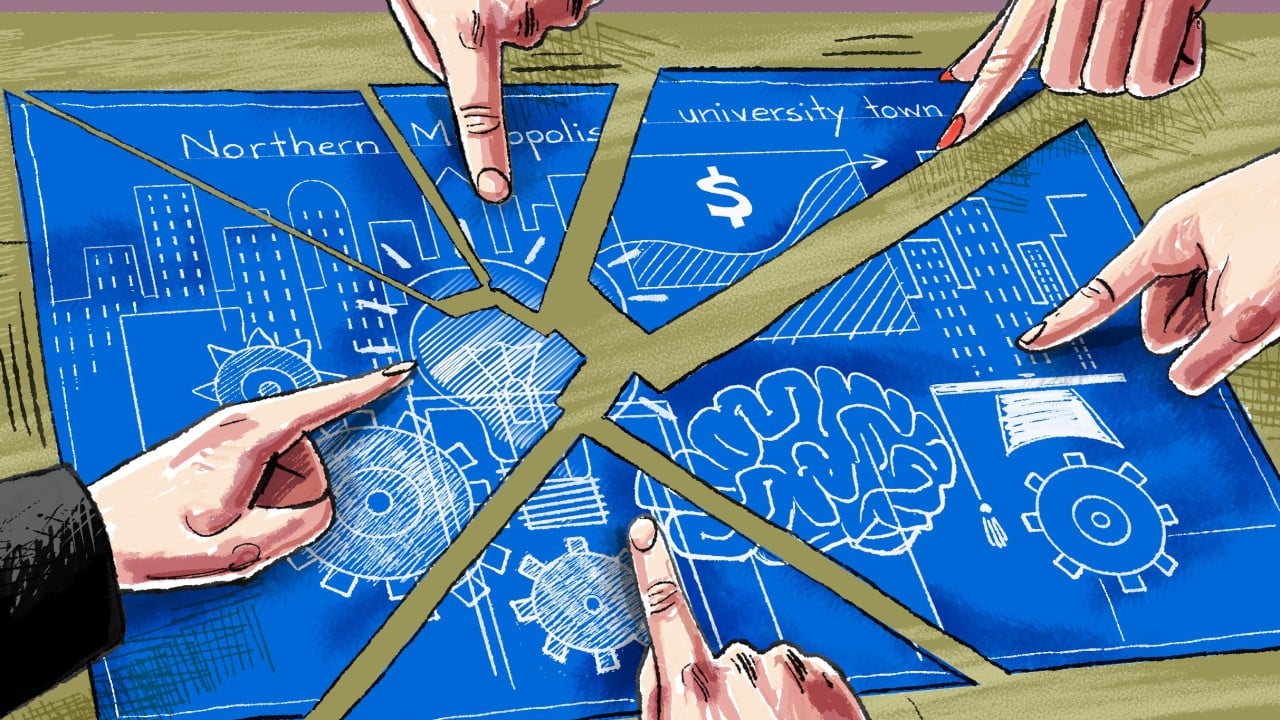
Two contradictions define the challenge. First, a mission mismatch: conceived as a science and innovation hub, the Northern Metropolis is being treated as an expansion site, with land intended for research – or a platform where frontier research meets industrial incubation – diverted to classrooms and dormitories. Second, a mechanism gap: while Hong Kong’s universities excel in basic research, they lack pathways to translate discoveries into industry or feedback loops that connect market demand to research priorities.
These contradictions strike at the heart of the Northern Metropolis’ mission. Without clear direction, the project risks drifting into a patchwork of expanded campuses rather than rising as the world-class innovation hub Hong Kong and the nation urgently need.
View original source — South China Morning Post ↗
Related stories

Rolling Stone
EntertainmentJun 29, 2026 · 1 min
Lizzo Reflects on ‘Bitch’ Album Flop: ‘I Hurt My Own Feelings’
Rolling Stone

E! Online
EntertainmentJun 29, 2026 · 1 min
A Heat Wave Is Coming This Week: These Items Will Help You Cool Down
E! Online

E! Online
EntertainmentJun 29, 2026 · 1 min
Pregnant Olivia Culpo Gives Special Look at Baby No. 2's Nursery
E! Online

Deadline
EntertainmentJun 29, 2026 · 1 min
Chase Yi Set For Lead Role In New ‘Paranormal Activity’ Movie From Ian Tuason
Deadline