Indian Express
Indian Express··3 min read
Courts must remain vigilant guardians of constitutional supremacy: CJI Surya Kant in Sweden
4 min readNew DelhiJun 30, 2026 04:23 AM IST
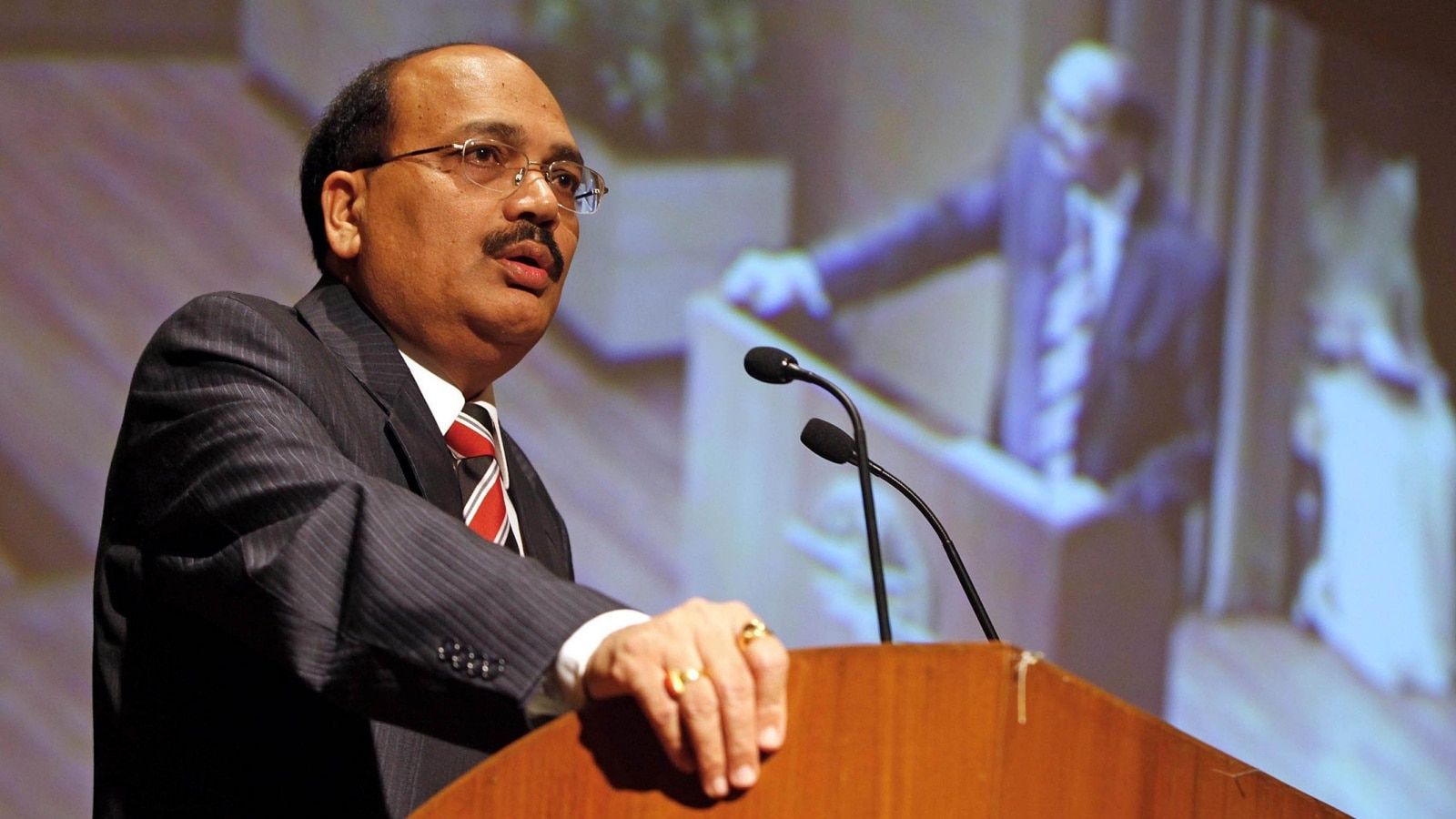
COURTS “CANNOT be mere spectators in the constitutional order”; they “must remain vigilant guardians of constitutional supremacy, ensuring that no exercise of public power escapes the sustained discipline of law”, Chief Justice of India Surya Kant said on Monday.
He was addressing an event organised by the International Institute for Democracy and Electoral Assistance in Sweden.
Speaking on the topic ‘Safeguarding the Rule of Law — Experiences from India and Sweden’, the CJI said the “rule of law…disciplines the exercise of power” and “ensures that public authority acts through known, stable and general rules; that citizens are treated as equals before the law; and that no person is left vulnerable to the whims of arbitrary government”.
CJI Kant underlined that “the endurance of a constitutional democracy rests upon the fidelity of the Executive and the Legislature to constitutional norms” and “the greatest safeguard to ensuring that these two pillars fulfil their duty lies in an independent Judiciary”.
He pointed out that the Indian Constitution “provides a very wide spectrum to the rule of law and has eloquently entrusted the responsibility for its enforcement to various constitutional organs. In addition to declaring the Judiciary as the final arbiter, duly vested with the power of judicial review, it has also cast responsibility on other institutions to play a constructive role in safeguarding federalism, democracy, separation of powers, harmonious functioning of public institutions and, most importantly, in working towards implementing the Constitution and making its provisions effective”.
The CJI shed light on “how, when confronted with moments of grave crisis and profound human suffering, the constitutional courts in India have fashioned pioneering doctrines to restrain public power and broaden access to justice”.
He said, “This journey of undertaking judicial review is often misconstrued as a power vested in the Judiciary, but in my opinion, it is nothing but a duty and responsibility entrusted by the Constitution. What follows is that the rule of law in India has remained not an abstract constitutional promise but a lived and undeniable reality for every citizen.”
Story continues below this ad
Citing the story from the epic Mahabharata, where King Prahlada had to play arbiter in a dispute between his son and a scholar, the CJI said: “Justice can endure only when the one who judges stands insulated from every form of pressure and influence, and remains faithful to law and conscience alone.”
He said “it would be no exaggeration to claim that” the “expansive power of” judicial “review is a cornerstone of India’s constitutional democracy, affirming that legality and constitutionality are fundamental preconditions to the exercise of governmental authority”.
The CJI said the drafters of the Constitution “not only enshrined the power of judicial review in the Constitution, but to ensure its fair and impartial exercise, they resolved to establish an independent Judiciary free from the control and influence of the Executive”.
He added that “it is in furtherance of this constitutional philosophy that the Supreme Court, through a judicial dictum, resolved that even the power to appoint judges to the High Courts and the Supreme Court should predominantly be exercised by the Judiciary through a Collegium system”.
Story continues below this ad
CJI Kant said that “this enduring commitment to independence enables the Indian Judiciary to do more than simply resolve disputes or defend constitutional boundaries. It allows our courts to actively shape the democratic imagination of a vast and varied society and to function as architects of democratic life itself”.
The CJI said at the same time, “the Supreme Court has consistently recognised that the rule of law is preserved only when the Judiciary honours its own institutional boundaries while holding other branches to theirs” and “the court does not sit as a second appellate authority or a super executive over the complex technical and socio-economic choices made by any of the other organs of the State”,
He said, “India’s journey reflects a simple truth: constitutional ideas, when anchored in the lived experience of a complex and diverse democracy, carry a universal resonance that speaks directly to the human aspiration for dignity and justice. The true strength of our Judiciary lies not simply in its willingness to speak courageously when the constitutional fabric is threatened, but in its profound institutional wisdom to know when deference and restraint are themselves the highest expressions of constitutional fidelity.”
View original source — Indian Express ↗
Related stories

The Punch
NewsJun 30, 2026 · 1 min
Edo assures resolution of museum ownership dispute
The Punch
The Punch
PoliticsJun 30, 2026 · 1 min
Kwara gov sacks advisers, top aides in cabinet shake-up
The Punch
The Punch
NewsJun 30, 2026 · 1 min
APC youths urge aggrieved aspirants to back Kwara Speaker’s gov bid
The Punch
The Punch
NewsJun 30, 2026 · 1 min
30,000 vulnerable Katsina residents benefit from free medical outreach
The Punch