South China Morning Post
South China Morning Post··1 min read
Japan’s family firms turn to M&A when heirs are not so apparent
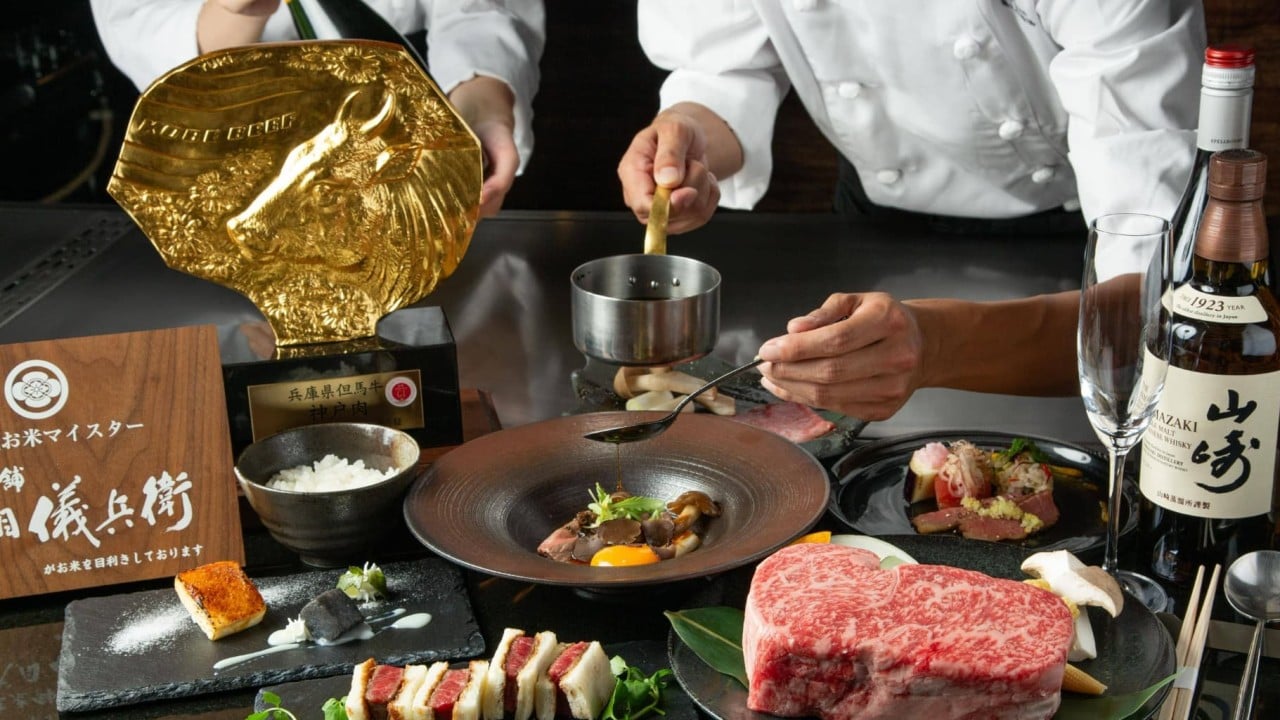
Diners at a sleek teppanyaki restaurant in Tokyo’s Asakusa district wait happily as chefs sear marbled Kobe beef over open grills. Expectations are high at Kisshokichi, one of the world’s largest Kobe beef chains. But behind the brand’s success lies a dilemma shared by businesses across Japan.
Founder Kiyomi Akagi, now in his mid-sixties, faced a question confronting a growing number of ageing owners: who would take over?
With no successor prepared to manage the company’s 50 restaurants, Akagi chose an increasingly common solution in Japan’s succession crisis – selling the business through mergers and acquisitions to secure its future.
Search funds, private equity firms and M&A brokers are stepping in, reshaping what succession means and looks like in a country where businesses have traditionally passed down through families.
Business-owning families would protect the future of their companies through measures including adopting a male heir with leadership skills. Demographic decline and different attitudes to work, however, have changed the landscape.
Raised in a fishing family in Yamaguchi prefecture, Akagi’s path to the Kobe beef business was anything but direct. Before building the chain, he worked a variety of jobs and ran a seafood izakaya.
View original source — South China Morning Post ↗
Related stories

ESPN
SportsJun 30, 2026 · 1 min
Morocco win shootout to send Netherlands home
ESPN

Bloomberg
BusinessJun 30, 2026 · 1 min
Iran Ratchets Up Talk of Controlling Strait of Hormuz
Bloomberg

South China Morning Post
TechnologyJun 30, 2026 · 1 min
Passenger jet reports striking drone approaching JFK airport to land
South China Morning Post
ABC News
TechnologyJun 30, 2026 · 1 min
'No genuine opportunity' to prevent crash that killed two women, coroner finds
ABC News