
Indian Express
Indian Express··5 min read
Daily Briefing: Why Delhi’s EV Policy is betting big on two-wheelers
US President Donald Trump announced that the United States would hold talks with Iran in Doha, claiming Tehran had requested the meeting and that the discussions would focus on preventing Iran from acquiring nuclear weapons. While Trump said US envoy Steve Witkoff and Jared Kushner would lead the American delegation, Iran publicly denied that any negotiations with Washington were scheduled. However, a senior Iranian official said that a meeting was still expected to take place, with discussions likely to centre on easing tensions and ensuring security in the Strait of Hormuz. Iranian President Masoud Pezeshkian said Tehran remained committed to its memorandum of understanding with Washington, provided the US honoured its commitments, as both sides continued to exchange accusations despite an interim ceasefire aimed at ending months of conflict.
On that note, let’s get to the rest of today’s edition. 👇
🚨 Big Story
Delhi’s new Electric Vehicle (EV) Policy focuses on a phased shift to mandatory electric two-wheelers, three-wheelers and light commercial vehicles, while prioritising pure EVs over strong hybrids. It aims to electrify at least 30 per cent of the capital’s vehicle fleet by March 31, 2030, to curb transport-related pollution. Under the policy, no new petrol or CNG two-wheelers will be registered after March 31, 2028, making all new two-wheeler sales electric from April 2028. The move is significant as two-wheelers account for nearly 67 per cent of Delhi’s registered vehicles, while vehicular emissions contribute about 23 per cent of the city’s winter PM2.5 pollution, according to the Commission for Air Quality Management. The government also plans to install over 30,000 public charging points, though EV adoption remains low, with electric two-wheelers accounting for only 7.5 per cent of new registrations in 2025.
⚡ Only in Express
In a reflection on India’s diversity, Yogendra Yadav argues that the country’s many mango varieties offer a powerful counterpoint to today’s political polarisation. Drawing on Sopan Joshi’s Mangifera Indica: A Biography of the Mango, he celebrates regional favourites such as Chausa, Langda and Dashehri as symbols of India’s cultural richness, while criticising the commercialisation that has sidelined many local varieties. Yadav also explores the mango’s links with history, politics and public figures, arguing that the fruit embodies the country’s plural identity. He concludes that just as there is no single “best” mango, India’s strength lies in embracing its diversity, making the mango a metaphor for an inclusive Republic.
📰 From the Front Page
Case revived: Thirty-six years after the abduction and murder of Kashmiri Pandit nurse Sarla Bhat, the Jammu and Kashmir State Investigation Agency (SIA) has filed a 737-page chargesheet naming jailed JKLF chief Yasin Malik as the alleged mastermind behind the killing. The chargesheet accuses Malik, then the chief commander of the JKLF, of ordering the abduction and murder of the 27-year-old Sher-i-Kashmir Institute of Medical Sciences (SKIMS) nurse, who was kidnapped from her hostel in April 1990 and found dead days later. Four other alleged JKLF operatives have also been chargesheeted, though three are reported dead and one is believed to be in Pakistan-occupied Kashmir. The case was revived in 2024 after being transferred to the SIA, which re-examined evidence, recorded fresh witness statements and reconstructed the sequence of events.
Migration crisis: The death of 16-year-old Jamini Juanga in the recent gas leak at a seafood processing unit in Tamil Nadu has drawn attention to the distress migration of tribal workers from Odisha’s remote villages. Jamini was among the 12 workers from Keonjhar district who died in the incident, which claimed 15 lives in total. She belonged to Rangamatia, a Juang tribal hamlet where extreme poverty, lack of basic amenities, limited education and scarce livelihood opportunities have forced many young women to migrate to distant states for work. The tragedy has also raised concerns over the recruitment of vulnerable tribal workers by labour contractors and highlighted the broader challenges of inadequate infrastructure, unemployment and persistent distress migration in Odisha’s Particularly Vulnerable Tribal Group (PVTG) communities.
📌 Must Read
Story continues below this ad
Anti-sacrilege row: The Punjab government’s anti-sacrilege law has sparked controversy after several MLAs admitted before the Akal Takht that they had passed the legislation without reading it, saying copies of the Bill were circulated only shortly before it was tabled in the Assembly. The Jaagat Jot Sri Guru Granth Sahib Satkar (Amendment) Act, 2026, was passed unanimously during a special Baisakhi session with support from all parties. The admission has drawn sharp criticism from legal experts, constitutional scholars and opposition leaders, who described it as “criminal” and “irresponsible”, arguing that legislators have a constitutional duty to scrutinise every Bill before voting. Critics say approving legislation without examining its contents undermines informed lawmaking, legislative accountability and parliamentary democracy.
Europe’s heat challenge: As Europe grapples with an intense heatwave, air-conditioning has emerged as a political flashpoint, with the debate balancing public health needs against climate concerns. In France, the far-right National Rally has called for air-conditioning in all schools and hospitals and financial support for households to install AC units, arguing that cooling is essential during extreme heat. Critics, however, warn that widespread AC use would increase electricity demand, strain power grids and contribute to higher emissions. With only about one in five European households equipped with air-conditioning, many countries have traditionally relied on passive cooling methods such as thick walls and natural ventilation. The debate has also underscored the growing urgency of adapting to climate change as heatwaves become more frequent and severe.
⏳ And Finally…
American Whiskey Association CEO Michael Bilello has described India as an essential market for the US whiskey industry, urging that American whiskey be treated as a priority agricultural export in the proposed India-US bilateral trade agreement. In an interview with The Indian Express, Bilello said the association has engaged with policymakers in both countries to seek commercially meaningful market access by lowering tariff and trade barriers rather than seeking preferential treatment. He argued that improved access would benefit American farmers, distillers and manufacturers while offering Indian consumers greater choice and more affordable premium whiskey. Bilello added that the proposed trade pact is being closely watched by US businesses as a test of the strength and economic potential of the India-US partnership.
🎧Before you go, tune in to today’s 3 Things podcast. We first unpack the Ram Temple donation controversy in Ayodhya, then discuss the postponement of the Maharashtra TET over a paper leak, and finally look at the floods and landslides caused by heavy monsoon rains in Arunachal Pradesh.
That’s all for today, folks! Until tomorrow,
Anupama
View original source — Indian Express ↗
Related stories
Sky Sports
SportsJun 30, 2026 · 1 min
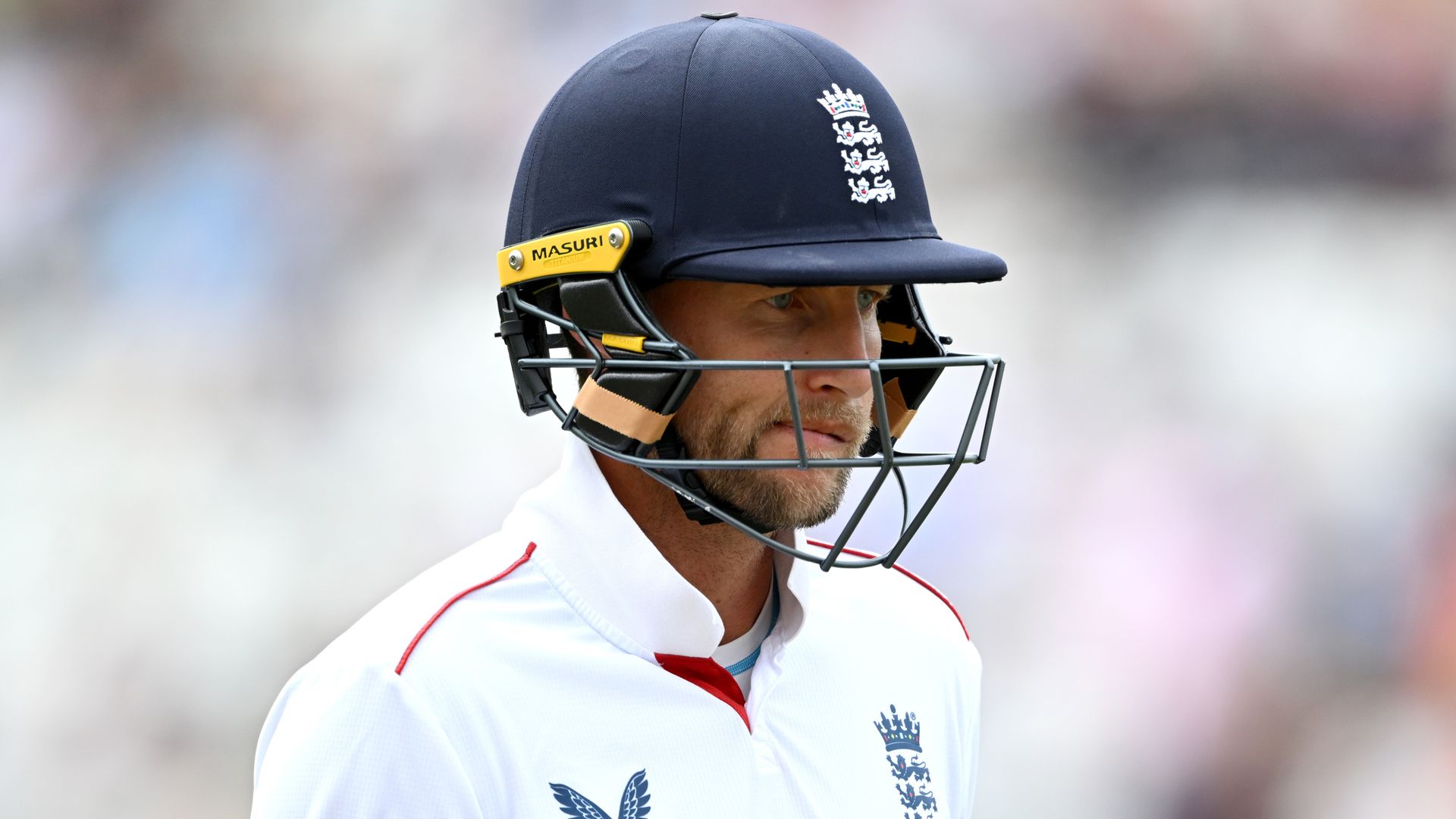
Bazball burns where it was born as England enter uncertain future
Sky Sports
Sky Sports
SportsJun 30, 2026 · 1 min
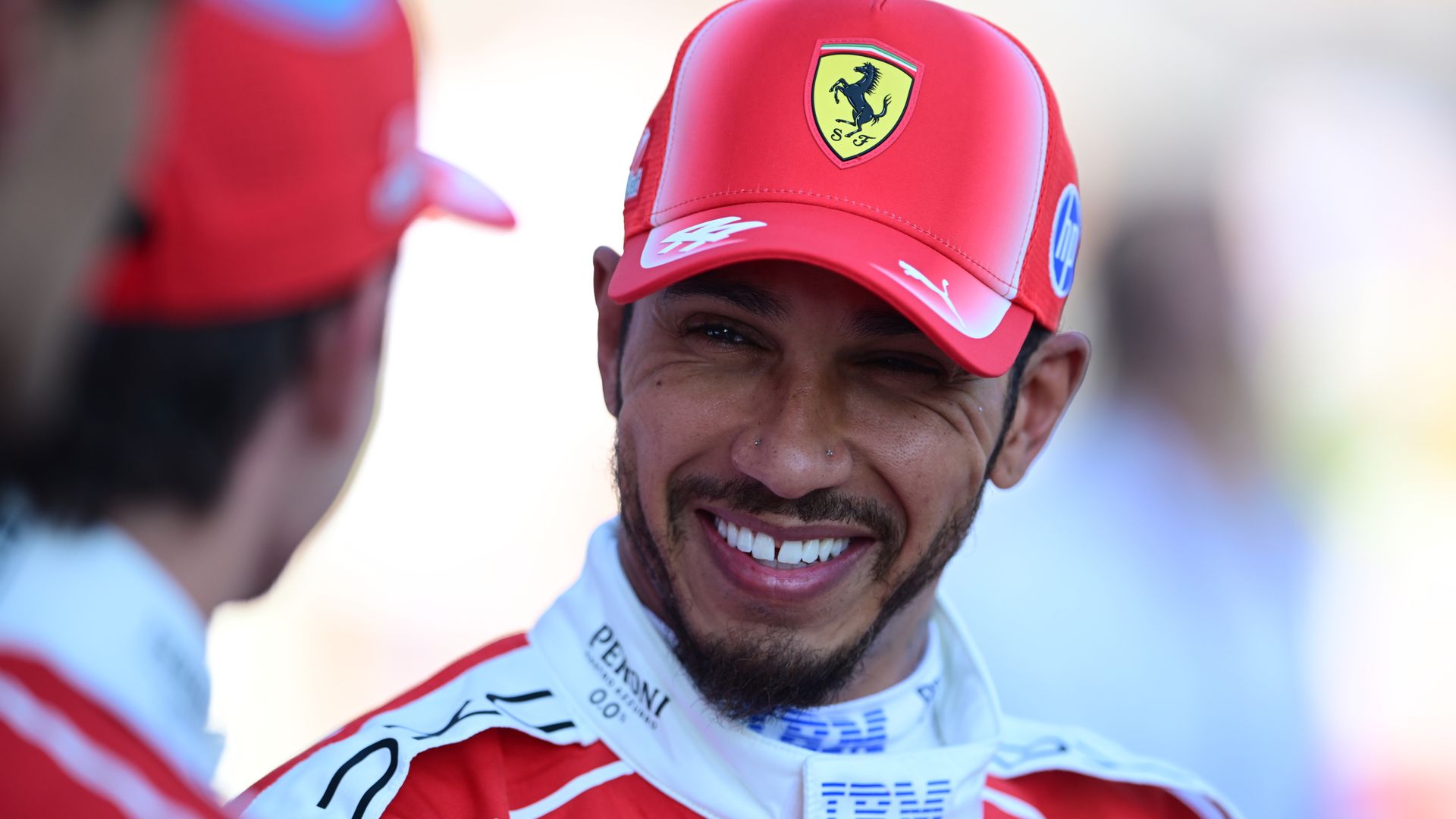
Button: Why Hamilton should be confident of Silverstone victory chances
Sky Sports

ESPN
SportsJun 30, 2026 · 1 min
Morocco win shootout to send Netherlands home
ESPN
BBC
TechnologyJun 30, 2026 · 1 min
Sale halted of farm which inspired Narnia
BBC