Indian Express
Indian Express··4 min read
Scrapping incentives, tax exemptions: How buyers benefit with new Delhi EV policy
3 min readNew DelhiUpdated: Jun 30, 2026 10:21 AM IST
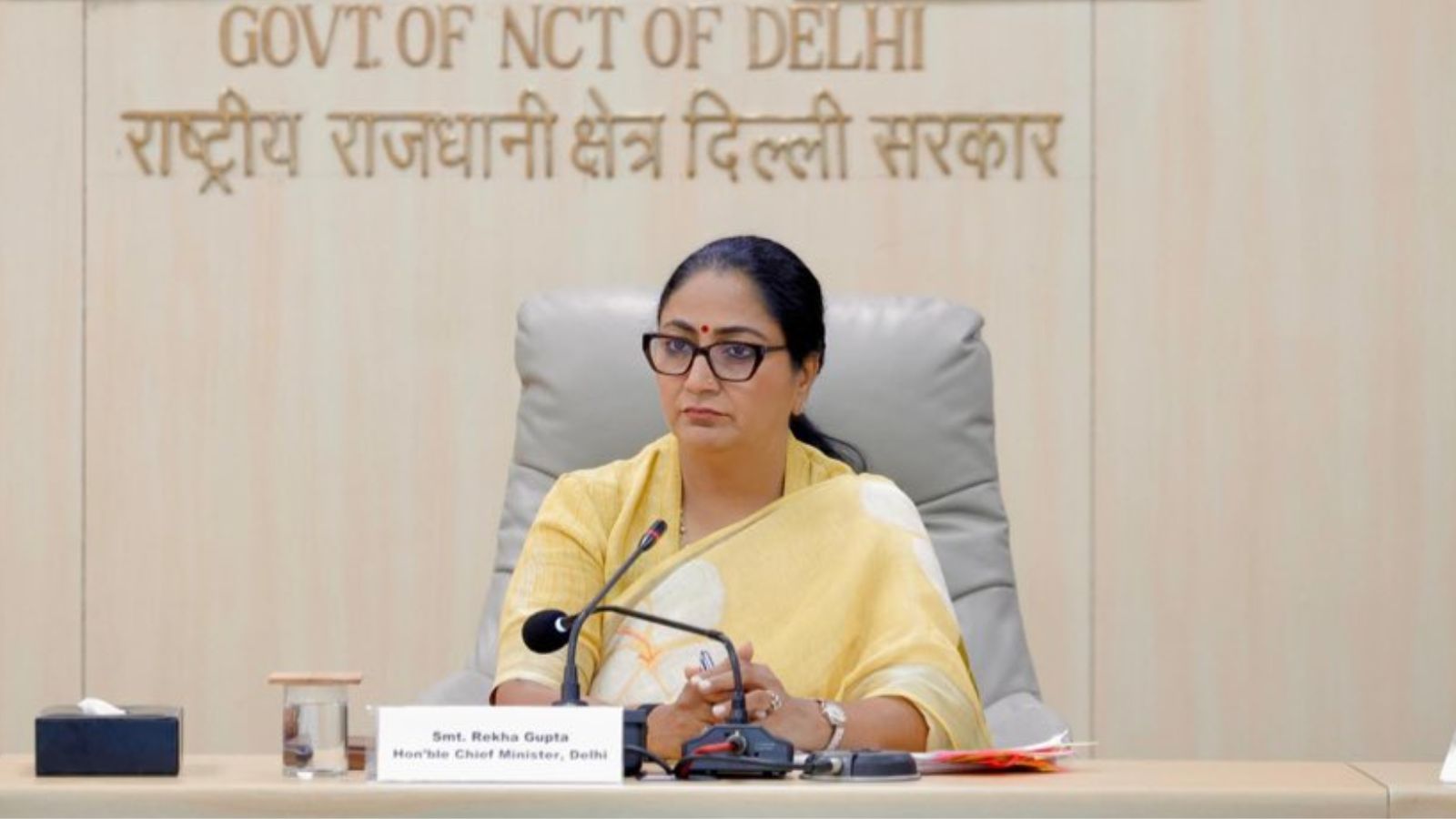
The Delhi Cabinet. headed by CM Rekha Gupta approved a new Electric Vehicle Policy effective July 1, 2026, offering purchase subsidies and tax waivers to boost EV adoption through 2030. (FIle)
Direct purchase and scrapping incentives, and tax exemptions are among different ways how vehicle owners are being encouraged to go electric by the Delhi government with the Cabinet approving its new Electric Vehicle Policy on Monday.
Announcing the decision at a press conference at the Delhi Secretariat, Chief Minister Rekha Gupta said the policy will come into effect on July 1 after receiving the approval of Lieutenant Governor Taranjit Singh Sandhu. It will remain in force for the next four years, until March 31, 2030.
Here’s how buyers who are planning to go electric could benefit:
For two-wheelers
The government has structured purchase incentives in such a way that if a vehicle is purchased in the first year after the introduction of the policy, the incentive is higher. The policy offers a subsidy of Rs 10,000 per kWh of battery capacity (up to a maximum of Rs. 30,000) in the first year. The incentive gets cut in the second year by one third to Rs 6,600 per kWh of battery capacity (up to a maximum of Rs. 20,000), and is reduced to half to Rs 3,300 per kWh of battery capacity (up to a maximum of Rs. 10,000) in the third year. But only electric two-wheelers that have an ex-factory price of less than Rs 2.25 lakh are eligible for these incentives, according to the draft. The final policy is yet to be revealed.
For instance, TVS iQube, which is the among the most popular electric two-wheeler in the county, costs around Rs 1.15 lakh in Delhi. The certified capacity of the scooter is 2kWh, which means it will cost roughly Rs. 95,000 for a prospective buyer in the first year, Rs 1.02 lakh in the second year and Rs 1.08 lakhs in the third year. If an owner with a two-wheeler registered under BS-IV emission standards or below gets the vehicle scrapped and purchases the new EV within six months of policy implementation, the government also offers an incentive of Rs 10,000. So the electric scooter will cost Rs. 85,000 in the first year, Rs. 92,000 in the second year and Rs. 98,000 in the third year of the policy.
For four-wheeler owners
While the government has not offered a direct purchase incentive on buying electric cars, it has sought to incentivise petrol or diesel car owners through a scrapping incentive planning a switch. Those who have cars registered under BS-IV emission standards or below, the scrapping incentive is Rs 1 lakh for the first six months.
Similar to the previous policy, the government has continued the exemption from road tax and registration fees for EVs. For instance, if you get your petrol car scrapped and within six months, buy a Tata Nexon EV, which costs around Rs. 14 lakh in the capital, you will get it for roughly Rs. 13 lakh. This benefit will be given only to the first 1 lakh buyers.
© The Indian Express Pvt Ltd
Devansh Mittal is a Correspondent at The Indian Express, based in the New Delhi City bureau. He reports on urban policy, civic governance, and infrastructure in the National Capital Region, with a growing focus on housing, land policy, transport, and the disruption economy and its social implications.
Professional Background
Education: He studied Political Science at Ashoka University.
Core Beats: His reporting focuses on policy and governance in the National Capital Region, one of the largest urban agglomerations in the world. He covers housing and land policy, municipal governance, urban transport, and the interface between infrastructure, regulation, and everyday life in the city.
Recent Notable Work
His recent reporting includes in-depth examinations of urban policy and its on-ground consequences:
An investigation into subvention-linked home loans that documented how homebuyers were drawn into under-construction projects through a “builder–bank” nexus, often leaving them financially exposed when delivery stalled.
A detailed report on why Delhi’s land-pooling policy has remained stalled since 2007, tracing how fragmented land ownership, policy design flaws, and mistrust among stakeholders have kept one of the capital’s flagship urban reforms in limbo.
A reported piece examining the collapse of an electric mobility startup and what it meant for women drivers dependent on the platform for livelihoods.
Reporting Approach
Devansh’s work combines on-ground reporting with analysis of government data, court records, and academic research. He regularly reports from neighbourhoods, government offices, and courtrooms to explain how decisions on housing, transport, and the disruption economy shape everyday life in the city.
Contact
X (Twitter): @devanshmittal_
Email: [email protected] ... Read More
Stay updated with the latest - Click here to follow us on Instagram
Tags:
delhi
View original source — Indian Express ↗
Related stories

The Punch
NewsJun 30, 2026 · 1 min
‘It’s not only akara,’ Remi Tinubu defends comments, says FG also supports tomato, pepper sellers
The Punch
The Punch
NewsJun 30, 2026 · 1 min
NYSC reforms: All you need to know about 11 specialised streams, new camp structure
The Punch
The Punch
NewsJun 30, 2026 · 1 min
Police arrest housewife for slitting husband’s throat in Katsina
The Punch
The Punch
NewsJun 30, 2026 · 1 min
Ogun CJ unveils two new courtrooms
The Punch