Indian Express
SIR begins today in Maharashtra: What voters need to know when BLOs come calling
The Special Intensive Revision (SIR) of electoral rolls begins across Maharashtra today, with Booth Level Officers (BLOs) set to fan out across the state for a month-long door-to-door verification exercise. As electors receive Enumeration Forms and officials seek to update voter records, questions remain over who needs to furnish documents, what information must be verified and what exactly voters should do when a BLO visits their home. Here’s a guide to the process.
The Special Intensive Revision, or SIR, is a statewide exercise undertaken by the Election Commission to verify electoral rolls and ensure that only eligible citizens are enrolled as voters. The exercise in Maharashtra began on June 30, and the door-to-door verification process will continue till July 29. The revision is being conducted with October 1, 2026, as the qualifying date.
Why is this exercise being conducted?
The Election Commission says the exercise is aimed at ensuring that no eligible voter is left out of the electoral roll and that no ineligible entry remains on it. It is also intended to update voter records and verify the eligibility of existing electors through a transparent process.
Who is eligible to be enrolled as a voter?
Article 326 of the Constitution lays down the conditions for enrolment as an elector. A person must be an Indian citizen, should have completed 18 years of age and must ordinarily reside in the Assembly Constituency where he or she seeks to be enrolled.
Who will visit homes during the verification drive?
Booth Level Officers (BLOs) appointed by the Election Commission are carrying out the house-to-house exercise. Maharashtra has deployed more than one lakh BLOs for the revision. Political parties have also appointed Booth Level Agents (BLAs) who may participate in the process.
What should voters do when a BLO visits their home?
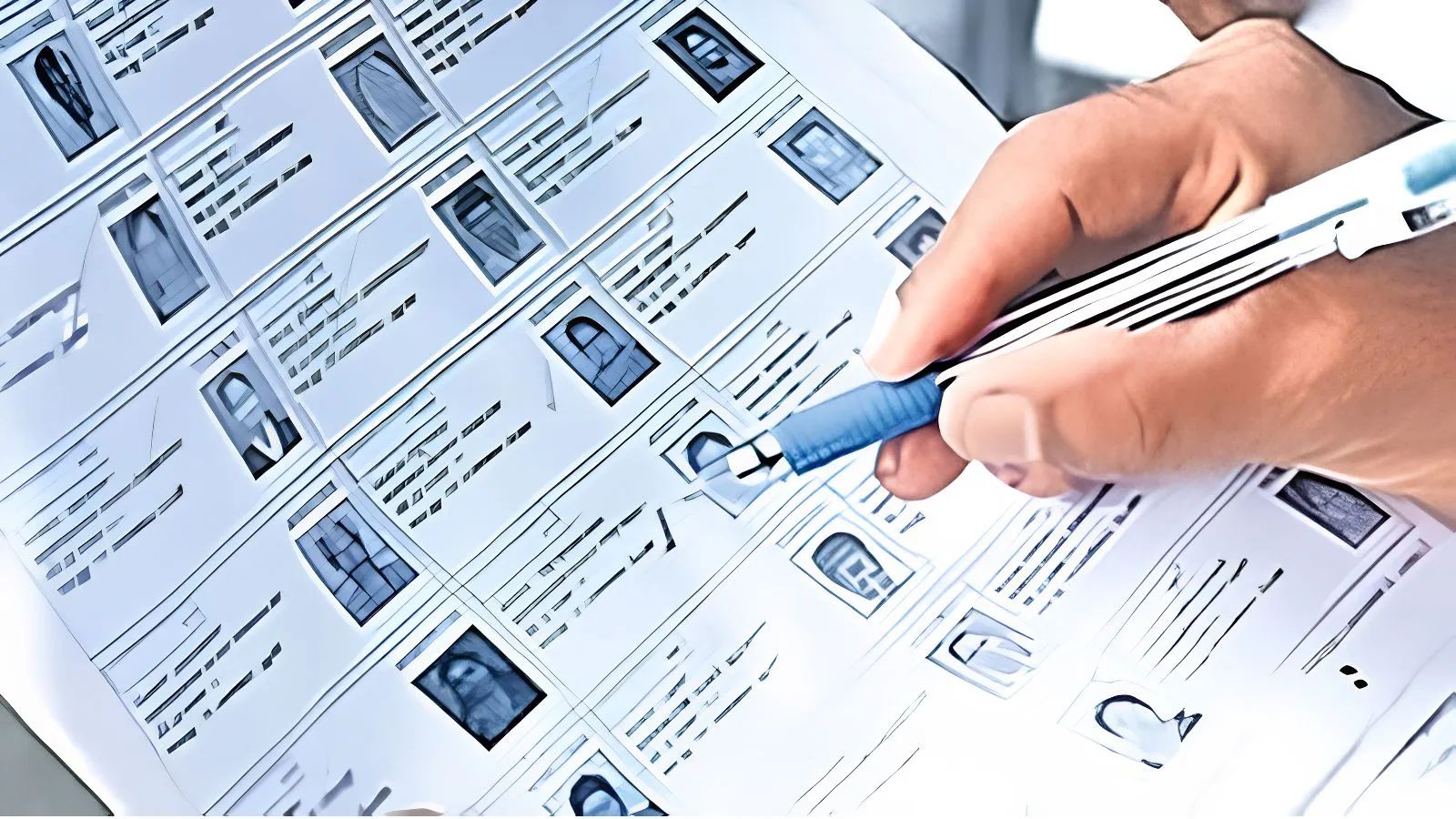
Voters should cooperate with the BLO and verify the details recorded in the electoral roll. The BLO will provide an Enumeration Form, which has to be filled in and signed. Once completed, one copy should be handed over to the BLO while another copy should be retained for personal records. Electors may ask to see the BLO’s identity card or official credentials if they wish to confirm the officer’s identity.
Can voters check their details before the BLO arrives?
Yes. Electors can verify their details, including their name, Assembly Constituency, Part number and serial number, through the ECINET application or the Voters’ Service Portal. Information relating to parents may also be checked through these platforms.
Story continues below this ad
What if BLO finds house closed?
If BLO finds that any house is locked or closed at the time of enumeration, she/he shall slip the Enumeration Forms in the house and make at least three visits to collect filled-out Forms.
Will everyone have to submit documents?
Not necessarily. According to the Election Commission, electors whose names already appear in the electoral rolls prepared after the last intensive revision conducted between 2002 and 2004 may only need to verify their existing details and submit the Enumeration Form.
However, if details are unavailable or documentary proof is required, voters should keep at least one of the prescribed documents ready.
Which documents are accepted?
The Election Commission has listed 12 documents that can be used for verification. These include a birth certificate, passport, Class 10 or matriculation certificate, residence certificate, caste certificate, government or PSU employee or pensioner identity card, family register issued by a state or local authority, land or house allotment certificate issued by the government, Forest Rights certificate, proof relating to the National Register of Citizens, identity cards or certificates issued by banks, post offices, Life Insurance Corporation or government authorities before July 1, 1987, and Aadhaar.
Story continues below this ad
How long will the exercise continue?
While the distribution and collection of forms has begun from June 30, the overall Special Intensive Revision process in Maharashtra is scheduled to conclude in October 2026. Publication of draft electoral roll will be on August 5, 2026. The suggestions and objections will be received from August 5 to September 4, 2026, which will be disposed off by October 3. The final Electoral roll will be published on October 7.
What has the Election Commission advised voters to do?
The Chief Electoral Officer, Maharashtra, has appealed to all eligible electors to participate actively in the revision process, cooperate with Booth Level Officers during house-to-house verification and submit their Enumeration Forms within the stipulated period to ensure their names remain correctly reflected in the electoral roll.
View original source — Indian Express ↗
Related stories
TechRadar
TechnologyJun 30, 2026 · 1 min
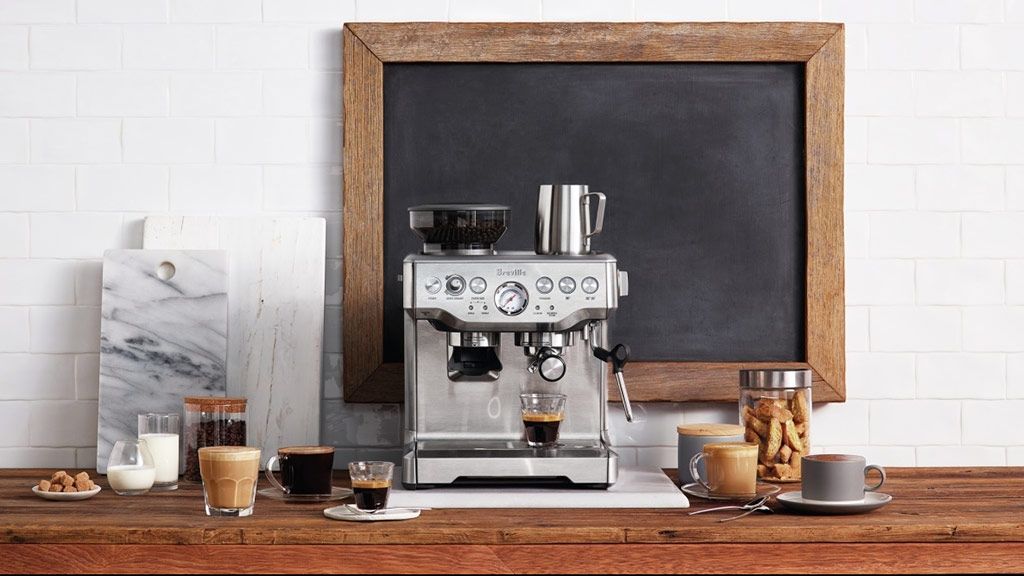
The fantastic and 4.5-star-rated Breville Barista Express drops to its lowest-ever price on Amazon
TechRadar

TASS
TechnologyJun 30, 2026 · 1 min
US waging proxy war on Russia in Ukraine, not taking steps to end it — former US lawmaker
TASS

Lovin Malta
TechnologyJun 30, 2026 · 1 min
Daniel Cilia’s Proposal to Name New Comino Islet After Tourist Sparks Debate
Lovin Malta

Indian Express
TechnologyJun 30, 2026 · 1 min
OpenAI teases first hardware product, set to launch July 15
Indian Express