Indian Express
Not honey, but meat: The fascinating world of ‘vulture bees’
3 min readDelhiJun 30, 2026 12:30 PM IST
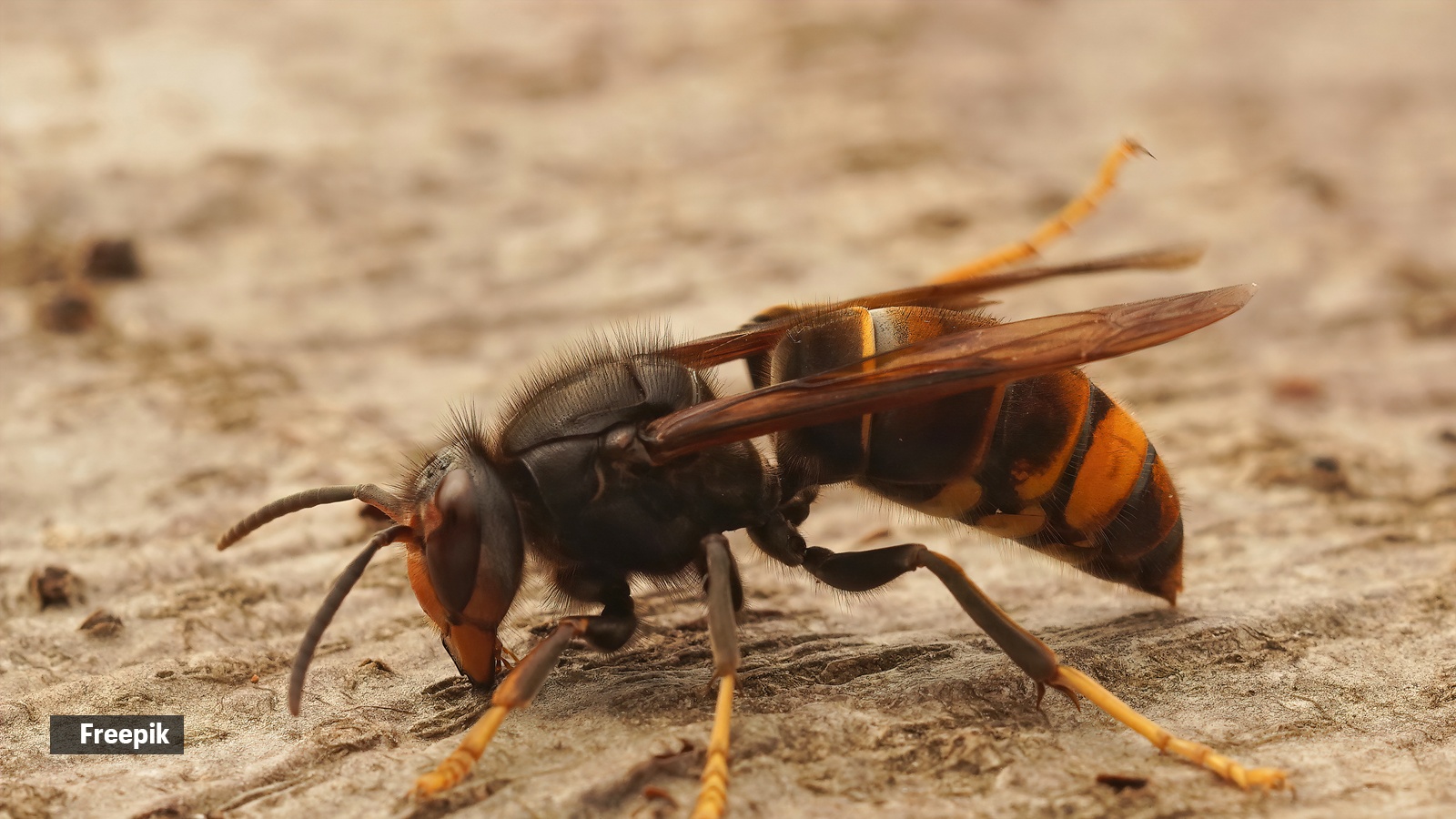
Vulture bees eat decomposed flesh as food. (Source: Freepik)
Bees are generally associated with flowers, nectar and the sweet scent of pollen. But if you traverse across the humid, dense rainforests of Central and South America, you will find a fascinating range of bees, popularly called ‘vulture bees.’ This unique set of bees is known for feasting on rotting flesh.
But what led to this scavenger-like diet?
As a species of stingless bees, vulture bees are one of the few insects in the family to possess enzymes required to digest meat. Unlike their fellow bees, their capacity to digest meat makes them explore food sources largely untapped by other bees. This unique trait makes them embrace a story of fierce competition in a habitat where survival generally depends on nectar and pollen. As a result of their unusual diet comprising decomposed flesh of animals and birds, a rich source of protein, vulture bees are free from competition, which allows them to be their own master.
Also known as carrion bees for their reliance on carrion (dead) flesh, they forage meticulously. From using their sharp jaws to tear off pieces of meat to storing the flesh in special baskets on their hind legs, food collection is a highly organised process.
Interestingly, just like the classic bees that collect pollen and store it in the hive, vulture bees do the same with carcasses. The flesh is left to decompose in the hive for weeks until it turns black and sticky. Subsequently, it transforms into meat juice, which is then fed to the bee larvae, providing them with the nutrients they need to grow.
Unlike the vegetarian honey bees, vulture bees are carnivores. (Source: Freepik)
What do vulture bees look like?
Unlike the fuzzy bee, vulture bees have minimal hair on their bodies, which protects them from catching bacteria when inside a decomposing carcass. They have large hind legs to carry meat. The size of the legs gives vulture bees the advantage of having a basket-like space to store the carrion back to the hive. Unlike the nectar-feeding bees, their jaws are much stronger and sharper, making it easy to slice through meat.
The family tree
The family tree of the vulture bees is complex, with queens, drones (male bees) and worker bees at the centre of affairs.
The worker bees, who are at the bottom of the hierarchy, search for carcasses. The process involves a threat to their life and requires precision and caution, ensuring they avoid attracting larger predators to their food source.
Story continues below this ad
Role in the ecosystem
Vulture bees play a vital ecological role. They help the rainforests break down and recycle organic matter. For instance, by foraging carrion, they prevent the unnecessary buildup of decomposed animals.
The Information
Vulture bees thrive in tropical conditions and warm Central and South America, inhabiting jungles and rainforests.
View original source — Indian Express ↗
Related stories

Philippine Daily Inquirer
EntertainmentJun 30, 2026 · 1 min
Did siblings Ian de Leon, Matet de Leon hint at reconciliation?
Philippine Daily Inquirer

Lovin Malta
EntertainmentJun 30, 2026 · 1 min
Watch: Sarah Bonnici Premieres Her Most Personal Project Yet At Teatru Manoel
Lovin Malta

Indian Express
EntertainmentJun 30, 2026 · 1 min
‘They wanted more cleavage’: Zeenat Aman says directors shot her getting drenched in rain
Indian Express

Deadline
EntertainmentJun 30, 2026 · 1 min
‘Clarkson’s Farm’ Producer Expectation Hires Mettlemouse Entertainment Development Chief Katrina Grant
Deadline