Indian Express
Indian Express··3 min read
The death of home-cooked lunchbox as students grow up: What a Gujarat survey reveals
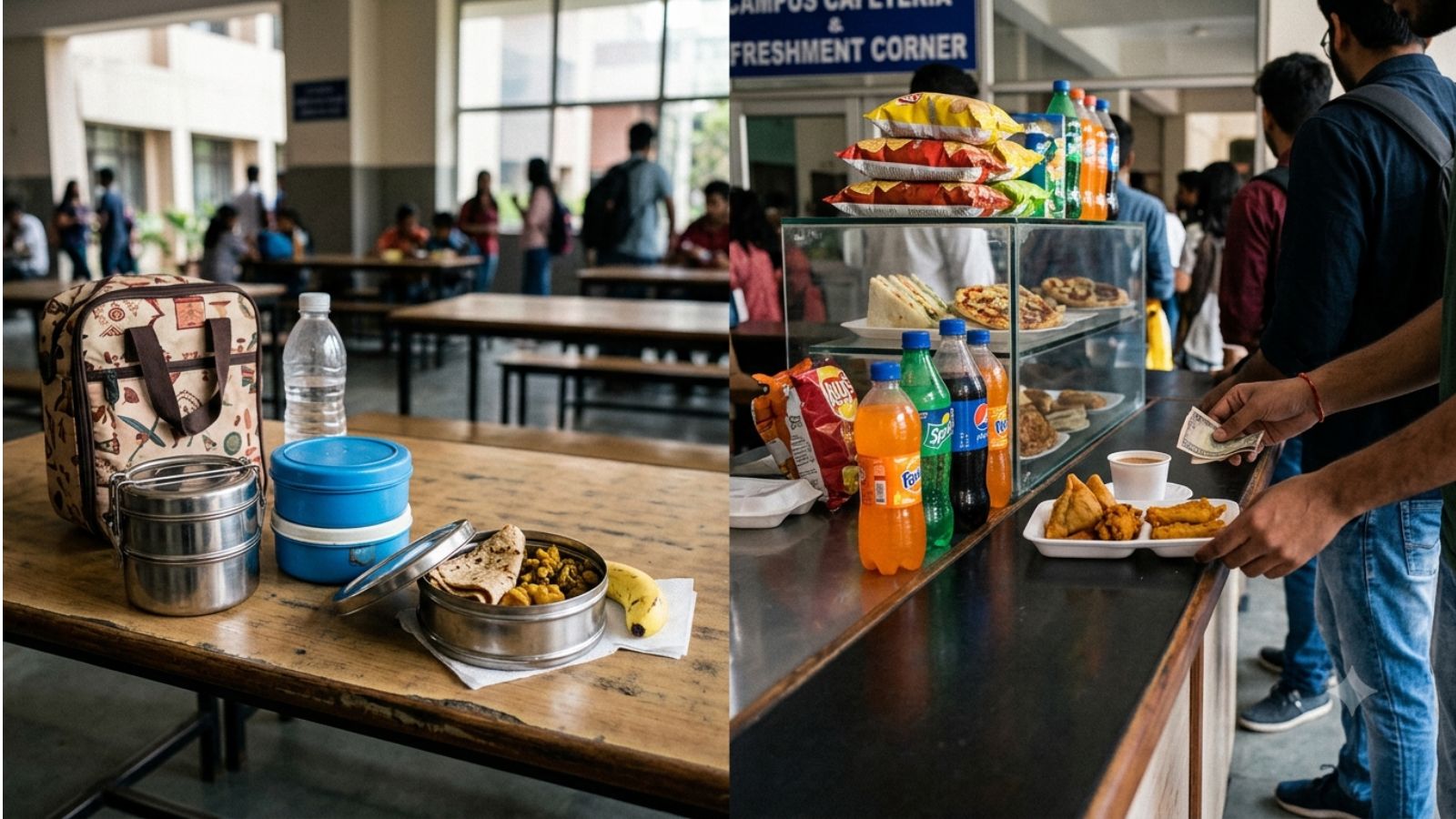
A year-long lunchbox survey conducted across schools, colleges, and student hostels in Ahmedabad has found a stark divide: while over a third of schoolchildren still carry and prefer traditional home-cooked meals, college students and hostel residents are abandoning tiffins in favour of campus canteens, processed foods, and street vendors.
The study, conducted by the Consumer Education and Research Centre (CERC), a non-profit consumer rights organisation, monitored the daily dietary logs of hundreds of students over the past year. The findings reveal a tilt toward convenience-based and ultra-processed foods as students advance academically.
According to the findings, 37 per cent of the 400 secondary-level students across government-run and private schools preferred home-cooked meals, compared to only 9 per cent among college students.
College students displayed a noticeable shift towards “convenience”, relying heavily on canteen food, caffeinated beverages, and quick meals, with only a few carrying tiffin from home. Nearly 22 per cent of students were found to eat frequently in their college canteen or cafeteria.
Across all surveyed groups, more than half of the lunchboxes contained roti, sabzi, rice, dal, or sandwiches. A small fraction included fruits, vegetables, and dairy products, all essential for a balanced diet.
Following the survey results, the CERC has recommended that schools and colleges introduce nutrition programmes and include “healthy meal options in canteens and hostels”, says Chief Executive Officer Dr Anandita Mehta.
The results revealed that 37 per cent of students brought home-cooked food in their lunchbox, indicating a positive trend toward healthy eating habits. However, 30 per cent of students were found to bring ready-to-eat packed snacks, while 20 per cent said they preferred “pasta, noodles, or pizza-type foods”, the data shows.
Story continues below this ad
Of the 102 students from private colleges who participated in the survey, 23 per cent were regular tea and coffee drinkers; about 22 per cent frequently ate in their college canteen or cafeteria. Only 20 per cent preferred fresh home-cooked food; 17 per cent preferred a meal.
Only 9 per cent of students carried lunch boxes from home, and an equal percentage had fresh fruits and vegetables.
Of the 50 respondents residing in the hostels, only 12 per cent dined at the hostel mess, while 35 per cent preferred dining at a hotel, restaurant, or on the street, indicating a strong inclination toward easily available, flavourful options outside the hostel mess menu.
Around 19 per cent of students expressed a preference for home-cooked food, reflecting a desire for familiar and nutritious meals despite living away from home.
Story continues below this ad
The survey identified the reasons behind these trends as “time constraints” faced by parents and students, the possibility of “food spoilage” given the weather conditions, “peer influence”, and a preference for “fast food”. It also found that respondents lacked awareness of the requirements for a balanced diet.
What hostellers said
About 12 per cent regularly ate at their hostel mess, of which 10 per cent preferred proper meal patterns. Fast and packaged foods were liked by 9 per cent of respondents, indicating the growing influence of convenience foods.
Eight per cent preferred natural beverages such as juices, lassi, or buttermilk, and 6 per cent reported consuming seasonal fruits and vegetables. Only 1 per cent of students opted for easy-to-make food items. Both college and hostel students showed a strong dependence on processed or convenience foods such as noodles, chips, and packaged drinks.
The findings suggest that hostel students’ preferences were determined largely due to “convenience, limited access to home-cooked meals, and peer influences”.
Story continues below this ad
“This reflects both changing lifestyle patterns and marketing influences on young consumers’ eating behaviour. A lunchbox survey is also important because it helps identify gaps in the nutritional content of children’s packed lunches, allowing for targeted interventions to improve dietary habits and long-term health,” said CERC Chairman Sunil Parekh.
Impact and implications
Mehta said that the survey focussed on concerns about “decline in consumption of freshly prepared, balanced meals and the rising dependence on processed foods“.
“This transition can have long-term implications on students’ health and well-being. There is an urgent need for continuous awareness and education campaigns promoting healthy dietary habits among students, parents, and educational institutions,” Mehta told The Indian Express.
The survey also observed that nutritious lunches contributed to better concentration and learning outcomes and that promoting healthy eating habits early could reduce the risk of obesity, diabetes, and other chronic diseases.
View original source — Indian Express ↗
Related stories

The Punch
PoliticsJun 30, 2026 · 1 min
Tinubu approves 27 road projects worth N3.9tn across 15 states
The Punch
The Punch
NewsJun 30, 2026 · 1 min
79,323 killed, 34,773 civilians abducted in six years — Report
The Punch
The Punch
SportsJun 30, 2026 · 1 min
World Cup: Five African stars among top Young Player Award contenders
The Punch
The Punch
NewsJun 30, 2026 · 1 min
W’African deportees sue over US ‘third-country’ expulsions to Ghana
The Punch