Indian Express
Indian Express··2 min read
Bengaluru aims to sterilise 90,000 dogs annually to tackle stray menace
2 min readBengaluruJun 30, 2026 07:14 PM IST
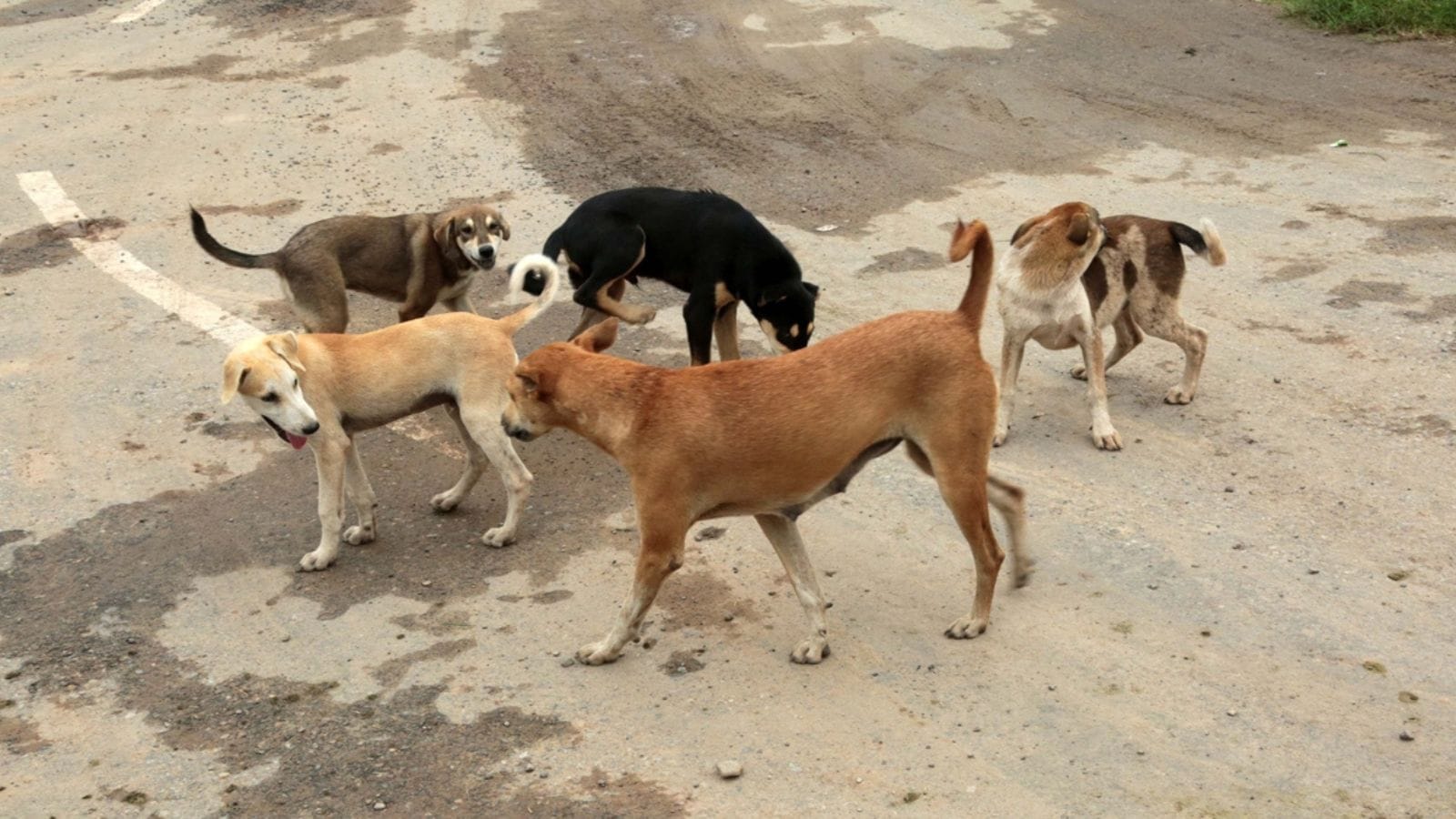
Although birth control measures have been implemented, Bengaluru faces a stray dog menace. (Representational image)
Aiming for 100 per cent animal birth control coverage across the five city corporations under Greater Bengaluru Authority (GBA), the government has decided to double the annual sterilisation capacity. While an average of 45,000 stray dogs are sterilised every year, it will now increase to 90,000, according to Bengaluru Development Minister Krishna Byre Gowda.
During a meeting held Tuesday, Gowda directed officials from the animal husbandry department to prepare a comprehensive action plan to ensure full animal birth control coverage across the city within the next three years. Speaking to reporters, he said that although birth control measures have been implemented for over two decades, the city faces a serious stray dog menace.
Commenting on the expenditure incurred for dog sterilisation, Gowda said the city had spent Rs 42 crore over the past five years. “Around 8.8 lakh dogs have undergone sterilisation since 2007, yet the stray dog population remains high,” he said.
64,130 saplings across Bengaluru
Gowda also announced an urban greening programme under which 64,130 saplings will be planted across Bengaluru during the current financial year. Every municipal corporation must prepare a comprehensive plantation plan with active participation from citizens and resident welfare associations (RWAs), he said. Public participation is essential to ensure long-term maintenance and the survival of the saplings, the minister said.
RWAs will receive priority in identifying plantation sites and requesting saplings. Assistant engineers will be designated as nodal officers to monitor the plantation drive’s implementation.
Noting that previous plantation drives suffered from poor accountability, he said that while official records indicate nearly 20 lakh saplings have been planted since 2008, the ongoing tree census suggests only about 11 lakh trees exist.
Responding to queries about the ongoing footpath clearance drive, Gowda said that the exercise aims to improve pedestrian safety and is not intended to displace street vendors.
Story continues below this ad
“Restrictions on vending apply only to about 20 per cent of major roads where pedestrian movement is severely affected, while vending continues to be permitted on the remaining roads,” he said.
View original source — Indian Express ↗
Related stories

The Punch
PoliticsJun 30, 2026 · 1 min
Compensate Lagos flood victims, probe coastal road, Doherty tells govt
The Punch
The Punch
NewsJun 30, 2026 · 1 min
Lagos seals club, hotel over noise pollution
The Punch
The Punch
NewsJun 30, 2026 · 1 min
UNIOSUN probes student’s death, announces overhaul of campus health services
The Punch

ESPN
SportsJun 30, 2026 · 1 min
How a small Oregon town became a Mexican soccer stronghold
ESPN