Indian Express
Naomi Osaka’s Kill Bill-inspired kimono-kanzashi is the ultimate serve at Wimbledon 2026
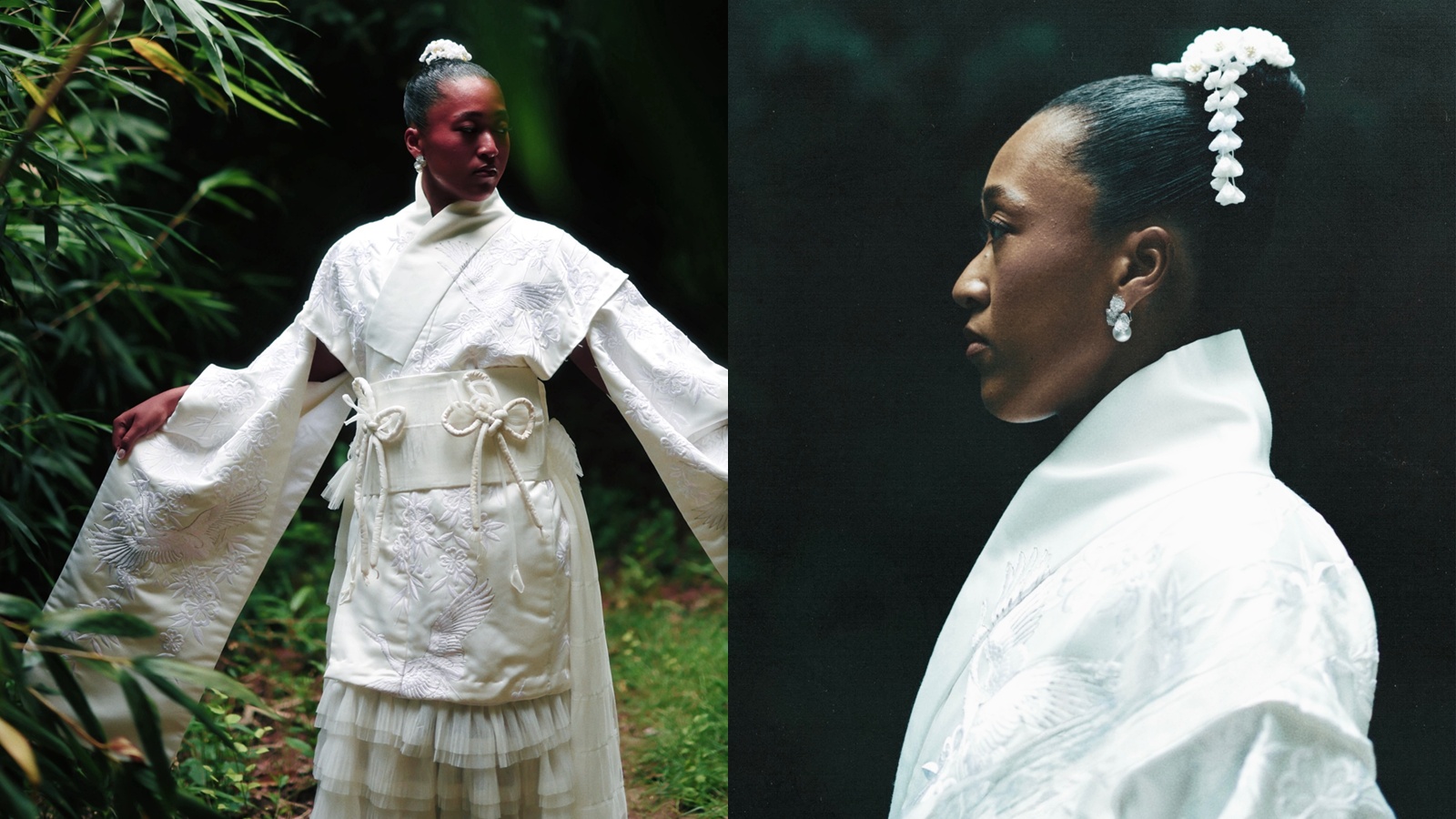
Fashion has arrived at Wimbledon. Naomi Osaka didn’t just defeat Elsa Jacquemot in the opening round; the four-time Grand Slam champion also proved that tennis whites don’t have to be boring. Turning up at the pre-game walkout in a look inspired by the Japanese ceremonial dress, Osaka admitted that the custom ensemble by Tokyo-based Hana Yagi was her way of using “fashion as a medium for storytelling”.
“Every walk-out is an opportunity to bring people into my creative world,” the tennis ace told British Vogue during pre-match interviews.
Looking closely
The devil is in the details, though. On closer inspection, we can see embroidered cranes and cherry blossoms stretching across the expanse of the fabric. A trailing bow adds drama to the silhouette, which Osaka shed off to reveal the practical Nike fit in which she proceeded to smash Jacquemot 6-1, 7-5. Pulling her hair up in a round bun, the tennis legend stuck traditional Kanzashi pins and accessorised the look with Mikimoto jewels.
British Vogue also reports that “Osaka’s Nike dress draws on kirigami, the Japanese art of paper cutting, with precise cut lines and a series of three-dimensional floral appliqués, allowing the walk-on and performance kit to feel like two expressions of the same creative vision.”
During her on-court interview, Osaka further detailed the vision behind her choice.
“For me, my Japanese heritage means a lot. I just get inspired by a lot of different things, and for me, one of my favorite movies is ‘Kill Bill.’ So I really love Lucy Liu’s character, O-Ren Ishii, and she comes out in this really iconic white kimono. I always tell people I like to be like a video game character sometimes, I don’t want to be myself when I’m playing on the court. And I kind of try to embody her a little.”
Huma Khan, Costume Stylist and Adjunct Professor, Fashion Styling, Pearl Academy Mumbai says that Naomi Osaka’s appearance at Wimbledon in traditional attire has sparked a dialogue on the thoughtful representation of contemporary, traditional, upcycled fashion.
“The kimono is a cultural symbol of Japan’s centuries of artistry and social dialogue. Japanese silhouettes have inspired fashion enthusiasts around the world for decades, but their significance extends far beyond aesthetics. They reflect rich textile traditions, symbolism, and a deep respect for heritage,” she elaborates, adding that kanzashi hairpins are not merely decorative accessories.
Story continues below this ad
“Historically, they have symbolised identity, marked special occasions, and even reflected the changing seasons through their intricate motifs,” she tells indianexpress.com.
According to Khan, not only has Osaka’s outfit choice fostered appreciation and respect for Japanese fashion, she has also demonstrated how “traditional fashion can be celebrated in a way that remains relevant on the global stage”.
DISCLAIMER: This article is based on information from the public domain and/or the experts we spoke to.
View original source — Indian Express ↗
Related stories

Indian Express
EntertainmentJun 30, 2026 · 1 min
‘I became too secular, film flopped’: Gadar director on why his ‘surefire hit’ failed
Indian Express

Variety
EntertainmentJun 30, 2026 · 1 min
‘Not Alone’ Trailer: Timothée Chalamet and Selena Gomez Voice Rocket Scientists Encountering Alien Life in New Animated…
Variety

Indian Express
EntertainmentJun 30, 2026 · 1 min
Kunal Kamra lashes out at Shiv Sena leader: ‘Your threats won’t stop me from doing my job’
Indian Express

Variety
EntertainmentJun 30, 2026 · 1 min
Chris Martin’s ‘Not Very Good’ Attempt to Write a James Bond Theme Song Goes on Auction
Variety