Indian Express
Indian Express··3 min read
AAP MLA: ‘Our stance on anti-sacrilege law is right…wording issues can be resolved’
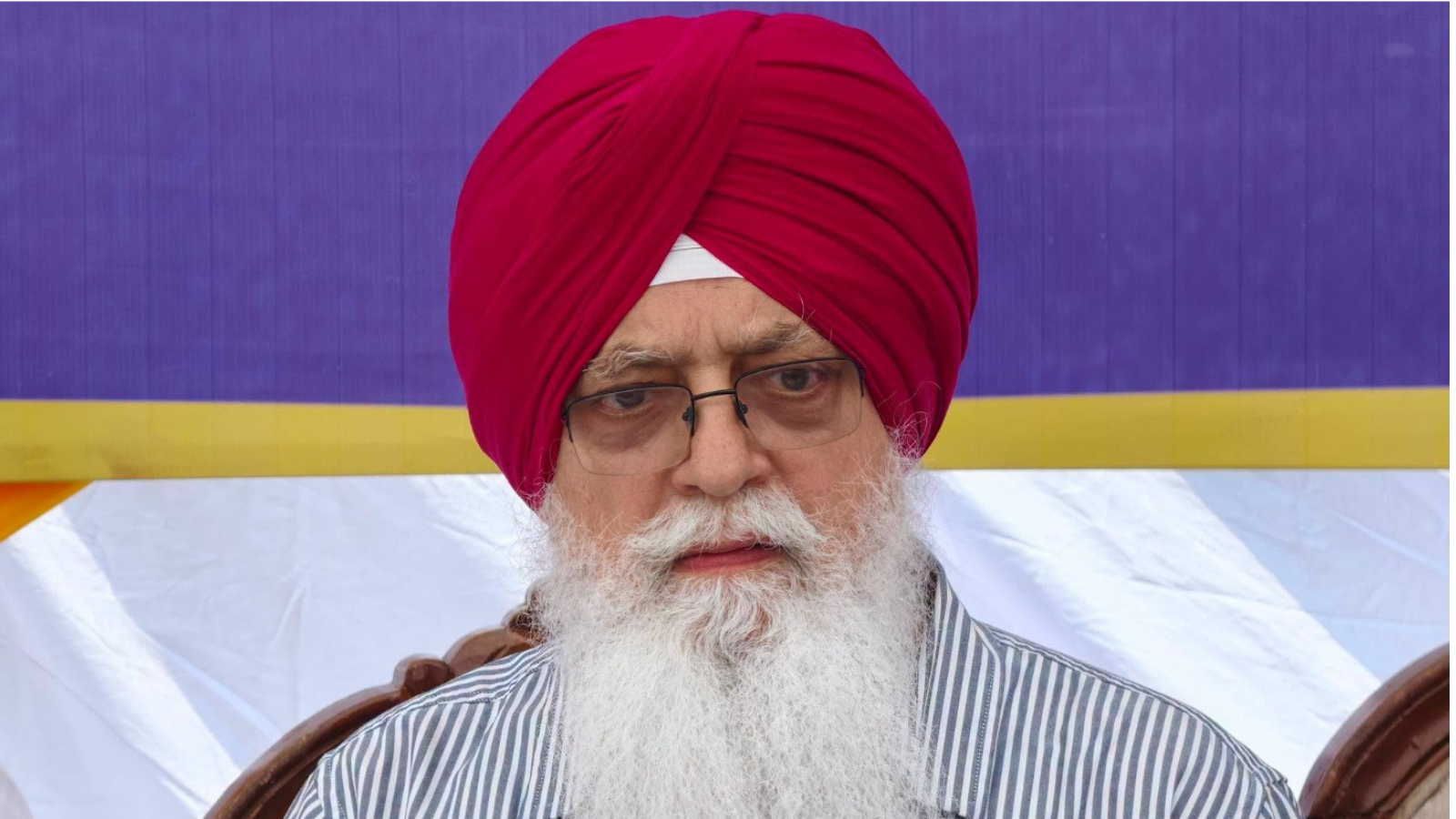
AAP MLA Inderbir Singh Nijjar is also the president of the Chief Khalsa Diwan.
4 min readAmritsarJun 30, 2026 08:18 PM IST
First published on: Jun 30, 2026 at 08:18 PM IST
The Akal Takht on Monday gave the Bhagwant Mann-led Aam Aadmi Party (AAP) government a month to amend the anti-sacrilege law. Sikhism’s temporal body had summoned all Sikh MLAs of Punjab over the issue.
AAP’s Amritsar South MLA Inderjit Singh Nijjar, who attended the event, is the president of Chief Khalsa Diwan, an apolitical body concerned with religious, cultural and educational issues. He speaks about the meeting, the controversy over legislators claiming they had not read the anti-sacrilege Bill before passing it, and the AAP’s promises, among other issues. Excerpts:
* Following the discussions at the Akal Takht, has there been a change in your stance on the anti-sacrilege law?
Our stand was correct. We just want a law to be enacted. The Akal Takht wants it, as does the entire Sikh community. The concerns over certain terminology can be addressed. It is not that big an issue.
* Should the Akal Takht or the Shiromani Gurdwara Parbandhak Committee (SGPC) have been consulted before the anti-sacrilege Bill was tabled in the Assembly?
There is a difference between the Act and the rules framed under it. The rules will spell out the details as to who qualifies as a custodian and what their responsibilities would be. People want these specifics addressed. The rules are still being framed.
* But, were the Akal Takht or SGPC consulted?
I have no objection talking to them. But I assure you that we will fulfil all expectations that the Sikh community has of us.
* With regard to the issue of custodian, the law defines a custodian as the granthi, sevadar, or manager present at the time or whoever has physical custody of the Guru Granth Sahib …
What his responsibilities will be, what the liability will be, and what constitutes intent in matters of custody, these are separate questions that come up.
* AAP leaders have made public remarks that parents and guardians of people with mental disabilities accused of sacrilege will be considered custodians…
These are separate issues. When we say someone acted because they are mentally unwell, their guardians will naturally be involved.
* Could clarifying this have prevented the ongoing controversy over how the law defines custodians?
As I said earlier, the rules are still being framed. It is better we do not get into this right now. Going forward, everyone will sit and discuss the issue
* There have been three-four incidents of sacrilege since the law has been enacted. What do you think is the root cause of this and how does the new law address the underlying problem?
These are societal problems and social issues which are all interconnected. This law is a part of the solution. While laws need to be made, we also need social reform. The SGPC should also make every possible effort with proper guidelines.
* The AAP had promised justice in the 2015 sacrilege case but no one has been punished even after four years in power …
The cases have gone to courts.
*Recently, advocate H S Phoolka alleged that prosecution in these cases is not being pursued properly.
Critics call this a failure of the AAP government. How do you respond to that?
I do not have detailed knowledge to discuss this thoroughly right now but I can assure you that our full effort is directed towards ensuring justice. We want to ensure that this law is implemented properly to deter people from resorting to sacrilege.
View original source — Indian Express ↗
Related stories

The Punch
NewsJun 30, 2026 · 1 min
Agbakoba backs state police, warns against political control by govs
The Punch
The Punch
PoliticsJun 30, 2026 · 1 min
“I am not coming to loot public funds”, cleric-turned-politician tells constituents
The Punch
The Punch
NewsJun 30, 2026 · 1 min
World Bank rewards states with $27m for reforms
The Punch
The Punch
NewsJun 30, 2026 · 1 min
Butchers hail Kaduna gov’s abattoir upgrade, say cold rooms end meat waste
The Punch