Indian Express
Relationship coach explains why women fall for emotionally unavailable men
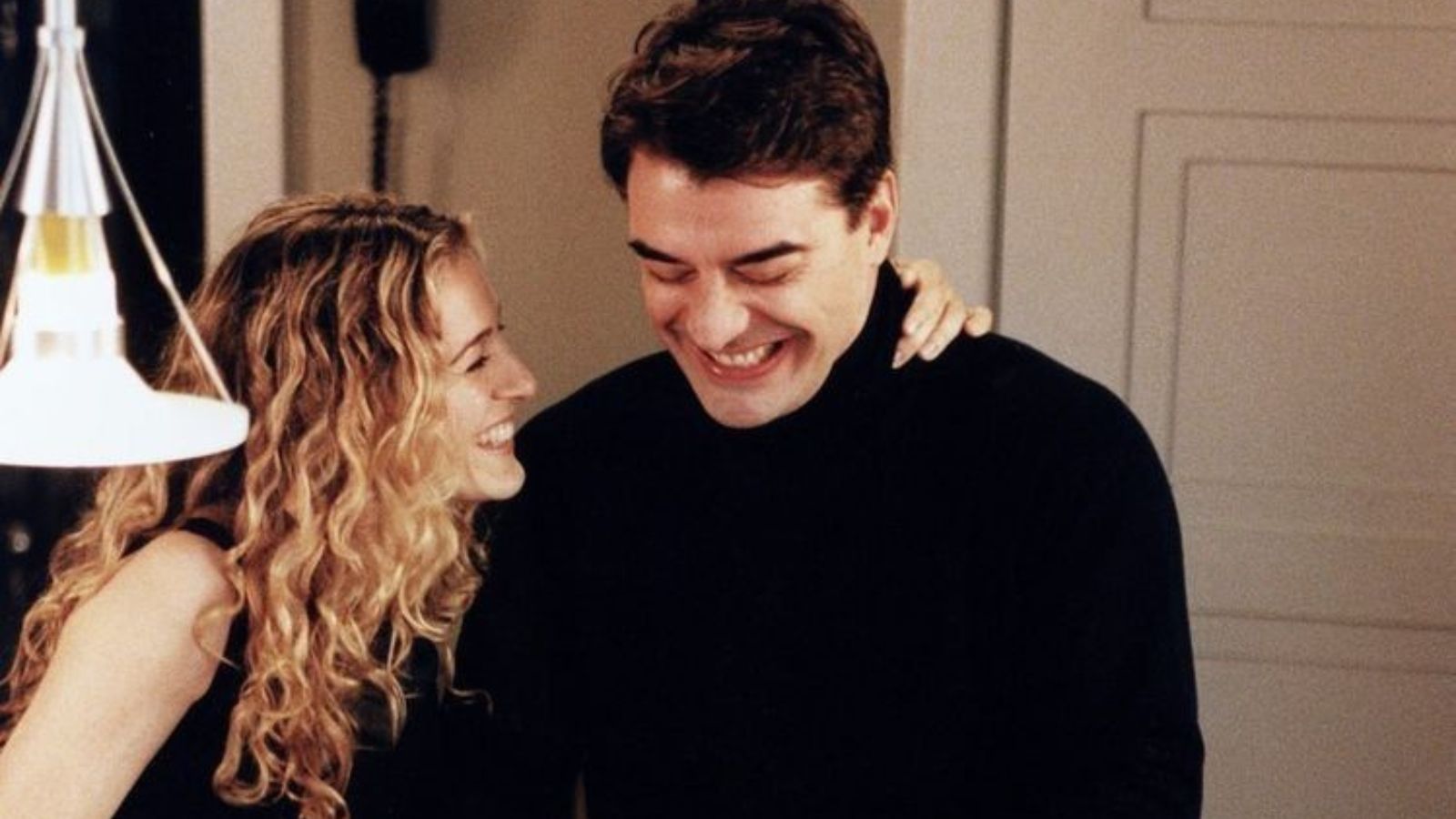
Carrie Bradshaw (played by Sarah Jessica Parker) kept going back to Mr Big (played by Chris Noth) in Sex and the City. Despite her multiple failed romantic episodes, Carrie breaks Aidan’s heart and chooses Mr Big, an emotionally unavailable, commitment-phobic man. However, her story is not limited to the screen; it echoes the reality of love, support, and companionship.
Relationship coach and therapist Ekta Bhanusali recently weighed in on why some women may unconsciously fall for emotionally unavailable men. In a podcast with lifestyle influencer Masoom Minawala, Bhanusali stressed that women do not intentionally choose emotionally unavailable men. However, they are often drawn to relationship patterns that feel familiar based on their early life experiences.
“Women don’t consciously choose emotionally unavailable men; rather, they tend to gravitate toward familiar emotional patterns. If someone grows up in a family where emotional needs were dismissed or where caregivers were emotionally unavailable, the brain often registers those dynamics as familiar and comfortable,” Bhanusali explained.
DISCLAIMER: This article is based on information from the public domain and/or the experts we spoke to.
Further, she noted that in many traditional Indian households, fathers have historically been less involved in emotional caregiving, which can influence how daughters perceive relationships later in life.
“When children repeatedly experience emotional absence from a primary caregiver, particularly a parent, they may unconsciously associate that dynamic with love and connection. As adults, they may find themselves attracted to partners who mirror those familiar traits,” she said.
Bhanusali explained that attraction is often shaped by subconscious familiarity rather than a deliberate search for unsuitable partners. “It is not necessarily about choosing the wrong person. Often, individuals are drawn to people who resemble the emotional environment they experienced during childhood, including traits associated with primary caregivers,” she added.
Story continues below this ad
Mental health expert Dr Rimpa Sarkar offered additional insights on the topic, sharing that while many people desire meaningful relationships, commitment often requires vulnerability and emotional risk, which can feel daunting.
“Many individuals genuinely seek connection, intimacy and companionship. However, commitment involves vulnerability, uncertainty and emotional investment. Modern pressures such as career ambitions, personal growth goals, financial concerns and the abundance of perceived choices through dating apps and social media can create tension between wanting closeness and fearing commitment,” Dr Sarkar said.
She added that contemporary relationships are often expected to fulfil multiple needs simultaneously, from friendship and emotional support to personal growth and attraction. “These expectations can sometimes make people hesitant to commit because they feel a relationship must meet every requirement before they are willing to take the next step,” she said.
Signs of emotional unavailability
Dr Sarkar stressed that emotional unavailability exists on a spectrum and can manifest in different ways. Some common indicators, she shared, include avoiding deeper emotional conversations, sending mixed signals about the future, withdrawing when intimacy increases, struggling to express feelings, and resisting discussions around exclusivity or long-term plans.
Story continues below this ad
“Commitment fears are often rooted in attachment patterns, past experiences or unresolved emotional wounds rather than an absence of care or affection,” she said.
Addressing a common belief that women often fall for emotionally unavailable men, Sarkar said research does not support the idea that women as a group inherently prefer emotionally unavailable partners.
“The assumption is often oversimplified. Research does not suggest that women naturally prefer emotionally unavailable men. However, some individuals, regardless of gender, may repeatedly find themselves attracted to unavailable partners due to attachment patterns, unresolved emotional needs or familiarity with certain relationship dynamics,” she explained.
She also highlighted an important distinction between attraction and relationship satisfaction. “People may initially be drawn to qualities such as independence, mystery or self-sufficiency. However, these characteristics should not be confused with emotional unavailability, nor do they necessarily contribute to long-term relationship satisfaction,” Sarkar said.
Story continues below this ad
DISCLAIMER: This article is based on information from the public domain and/or the experts we spoke to.
View original source — Indian Express ↗
Related stories

The Punch
EntertainmentJun 30, 2026 · 1 min
Portable to face Charles Okocha in boxing rematch after Carter Efe defeat
The Punch

E! Online
EntertainmentJun 30, 2026 · 1 min
Mormon Wives Cast Reacts to Layla Taylor Coming Out as Bisexual
E! Online

Variety
EntertainmentJun 30, 2026 · 1 min
The Best Movies of 2026 (So Far)
Variety
E! Online
EntertainmentJun 30, 2026 · 1 min
How LeBron James Found His Forever MVP in Savannah James
E! Online