Philippine Daily Inquirer
BSP: Inflation likely eased in June to 6-7%
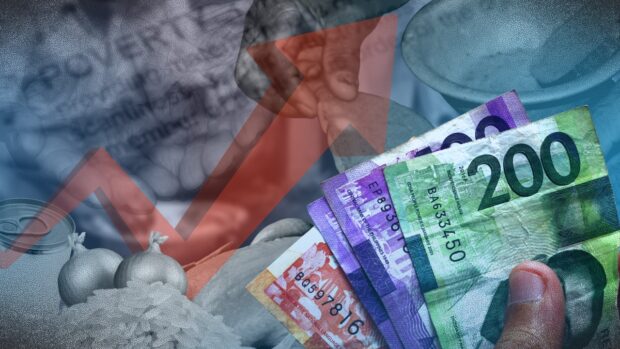
MANILA, Philippines – Philippine inflation likely slowed further in June, aided by a decline in oil prices, but is still expected to remain above the Bangko Sentral ng Pilipinas’ (BSP) target range.
The central bank said in a statement that inflation likely settled between 6 percent and 7 percent last month.
READ: Nomura: PH inflation seen falling faster on lower oil prices
Article continues after this advertisement
While the forecast leaves open the possibility that price gains accelerated from May’s 6.8-percent pace, it also points to a good chance that inflation moderated.
FEATURED STORIES
BUSINESS
BUSINESS
BUSINESS
But even at the low end of the BSP’s estimate, inflation would remain above the central bank’s 2-percent to 4-percent target for a fourth consecutive month.
The Philippine Statistics Authority is scheduled to release the official June data on July 7.
“The decline of domestic oil prices and the lower prices of major food items, such as rice and meat, may temper inflation for the month,” the central bank said.
“However, higher electricity rates and vegetable prices could partly offset these downward price pressures,” it added.
Article continues after this advertisement
The BSP has said it would “take necessary actions” to ensure inflation returns to its 3-percent target.
Last month, the Monetary Board, the top policymaking body of the central bank, raised its benchmark interest rate by a quarter percentage point to 4.75 percent, extending a tightening cycle that has now delivered a cumulative 50 basis points of increases.
Article continues after this advertisement
BSP Governor Eli Remolona Jr. did not dismiss the possibility of extending the tightening cycle for the rest of the year, though he stressed that policymakers would want to take “baby steps” when it comes to rate hikes.
READ: Bangko Sentral tightening cycle far from over
Higher borrowing costs are intended to curb spending by households and businesses, helping to ease inflationary pressures but also weighing on economic activity. The Philippine economy grew just 2.8 percent in the first quarter, its slowest pace since the pandemic recovery began, amid the twin shocks of a major corruption scandal that dented confidence and a sharp rise in global oil prices.
Your subscription could not be saved. Please try again.
Your subscription has been successful.
Policymakers have raised their inflation forecasts, with 2026 inflation now expected to average 6.4 percent from the previous estimate of 6.3 percent. For 2027, the projection was raised to 4.5 percent from 4.3 percent. INQ
View original source — Philippine Daily Inquirer ↗
Related stories

The Punch
BusinessJun 30, 2026 · 1 min
Abducted Osun LG vice chairman spends 22 days in captivity as negotiations continue
The Punch

The New York Times
BusinessJun 30, 2026 · 1 min
Court Halts Pentagon Rule Requiring Escorts for Journalists
The New York Times

MarketWatch
BusinessJun 30, 2026 · 1 min
Only a fraction of eligible kids are signed up for ‘Trump accounts.’ All told, they could be missing out on billions of…
MarketWatch
Bloomberg
BusinessJun 30, 2026 · 1 min
The Lower Income Consumer Has Felt Inflation The Most Says Suzuki
Bloomberg