Indian Express
Indian Express··3 min read
40 lakh women to get first instalment of financial aid today as Mann rolls out scheme
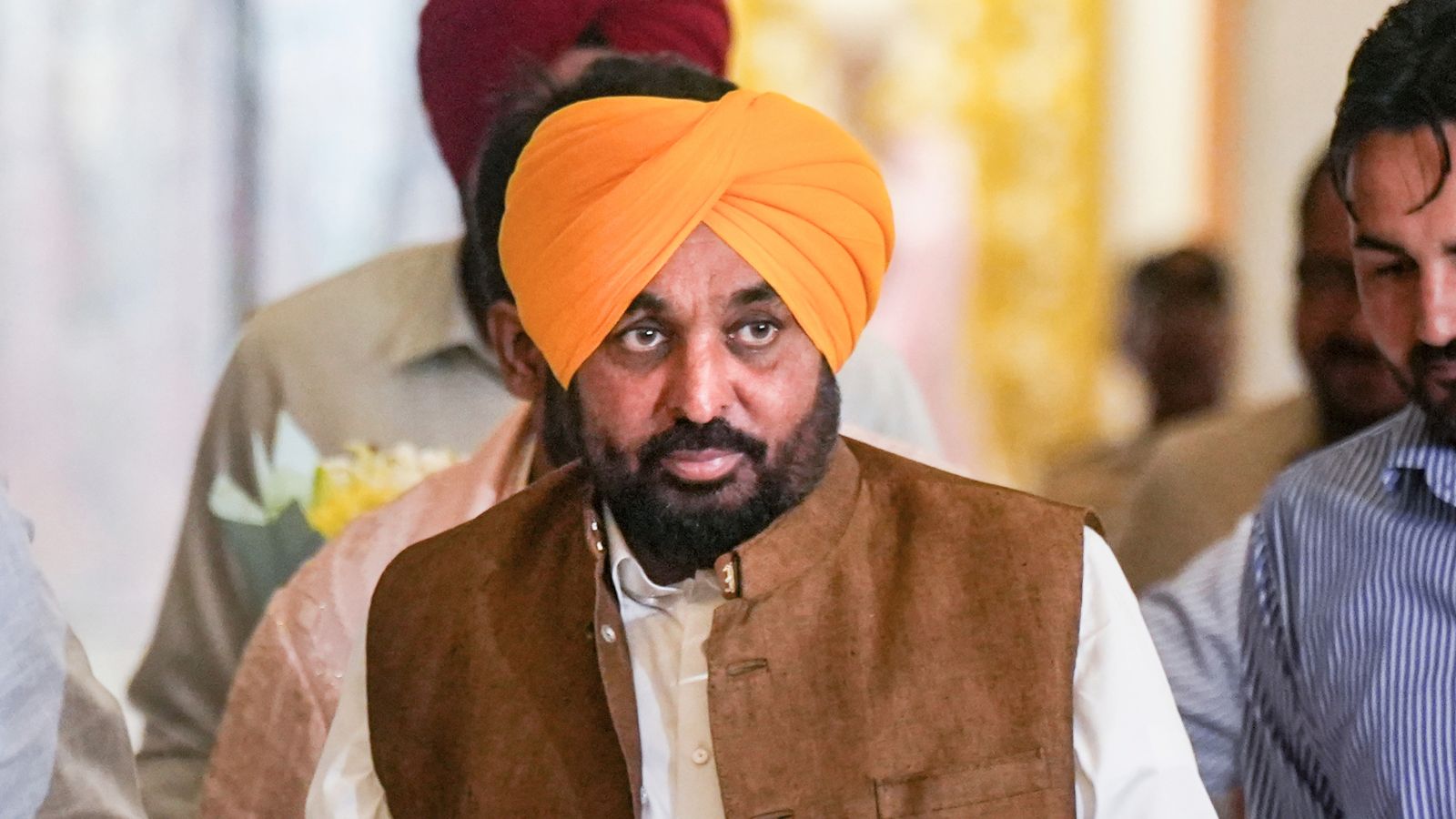
Forty lakh women in Punjab are set to receive the first instalment of the monthly financial assistance from the state government on Wednesday with Chief Minister Bhagwant Mann set to rollout the ‘Mawan Dhiyan Satkar Yojana’ from his Assemby constituency Dhuri on Wednesday.
The day will be politically hot in Punjab with the government also notifying the implementation of VB G RAM G scheme from July 1 even as the Dearness Allowance (DA) case would come up for a hearing in the Punjab and Haryana High Court.
Under the ‘Mawan Dhiyan Satkar Yojana’, eligible women from the general category will receive Rs 1,000 per month, while those belonging to the Scheduled Castes will receive Rs 1,500.
“The amount will be transferred directly into their bank accounts, and women already receiving social security pensions will also remain eligible. Nearly 97 per cent of women in Punjab are expected to reap the benefit. The state government has allocated Rs 9,300 crore for the scheme in the budget,” Mann told reporters in Dhuri.
He said more than 40 lakh women have already been registered, and the benefits will be applicable from July 1 even if the registration cards are delivered later.
At a separate event in Barnala, Mann said mobile phones of women across Punjab will start buzzing after 12 noon when money is credited into their bank accounts. “This scheme may not make women rich, but it will certainly give them dignity and self respect. Women deserve the highest respect because they are the source of life itself,” he said.
Mann had earlier said that the first instalment of Rs 4,500 for SC and Rs 3,000 for general category women, which is equal to three months of financial assistance, would be transferred into the bank accounts of beneficiaries on July 1.
Story continues below this ad
Women aged 18 years or above, registered as voters in Punjab and possessing a valid Aadhaar card reflecting Punjab residency along with a valid Voter ID issued by the Election Commission, shall be eligible to be enrolled as beneficiaries under the scheme.
An official said the government has arranged Rs 1,500 crore to roll out the scheme. “We have borrowed Rs 1,000 crore from the market. The rest of the money would come from GMADA funds and labour cess,” said a source.
The labour cess, officially known as the BOCW (Building and Other Construction Workers) Welfare Cess, is a mandatory 1% tax levied on the total cost of construction projects. It is collected by the BOCW Cess Portal to fund social and welfare schemes for construction workers. It is only to be spent for the welfare of labourers.
According to government estimates, around 30 per cent of the registered beneficiaries belong to the SC category, making it one of the largest targeted welfare transfers in the state’s social security framework. The scheme has been one of the flagship promises of the AAP government in Punjab, which has consistently projected direct benefit transfers as a means of reducing leakage in welfare spending and ensuring timely assistance to eligible beneficiaries. The programme has been under preparation for several months, involving verification of beneficiaries and creation of a database to enable direct bank transfers.
Story continues below this ad
Finance Minister Harpal Singh Cheema said the government was fully prepared to launch the scheme and that administrative formalities had been completed. “We have no dearth of money. We are comfortable,” he said.
Meanwhile, replying to a question on the Akal Takht’s directions regarding the anti-sacrilege law that were issued on Monday, Mann said, “Sri Akal Takht Sahib is supreme for me and my family.” “Every directive issued by this sacred institution will be fully honoured, and a detailed discussion on the matter will also be held in the Vidhan Sabha,” he said.
In Barnala, Mann took a swipe at Shiromani Akali Dal chief Sukhbir Badal, saying he should stop living in a fool’s paradise. “Instead of dreaming about returning to power, it is now his family’s turn to be in jail. Gone are the days when these parties played musical chairs and waited for their turn to rule.
“They safeguarded each other’s interests whenever they were in power, which is why their misdeeds never came to light,” he said.
View original source — Indian Express ↗
Related stories

The Punch
NewsJul 1, 2026 · 1 min
NRC grants Lagos permanent rail operating licence
The Punch
The Punch
NewsJul 1, 2026 · 1 min
ESUT ASUU threatens strike over 2025 agreement
The Punch
The Punch
BusinessJul 1, 2026 · 1 min
Akara, Kulikuli: First Lady is right
The Punch
The Punch
SportsJul 1, 2026 · 1 min
Morocco set new African World Cup records
The Punch