Indian Express
Indian Express··5 min read
Should parents say sorry to children? Why apologising builds trust, emotional security
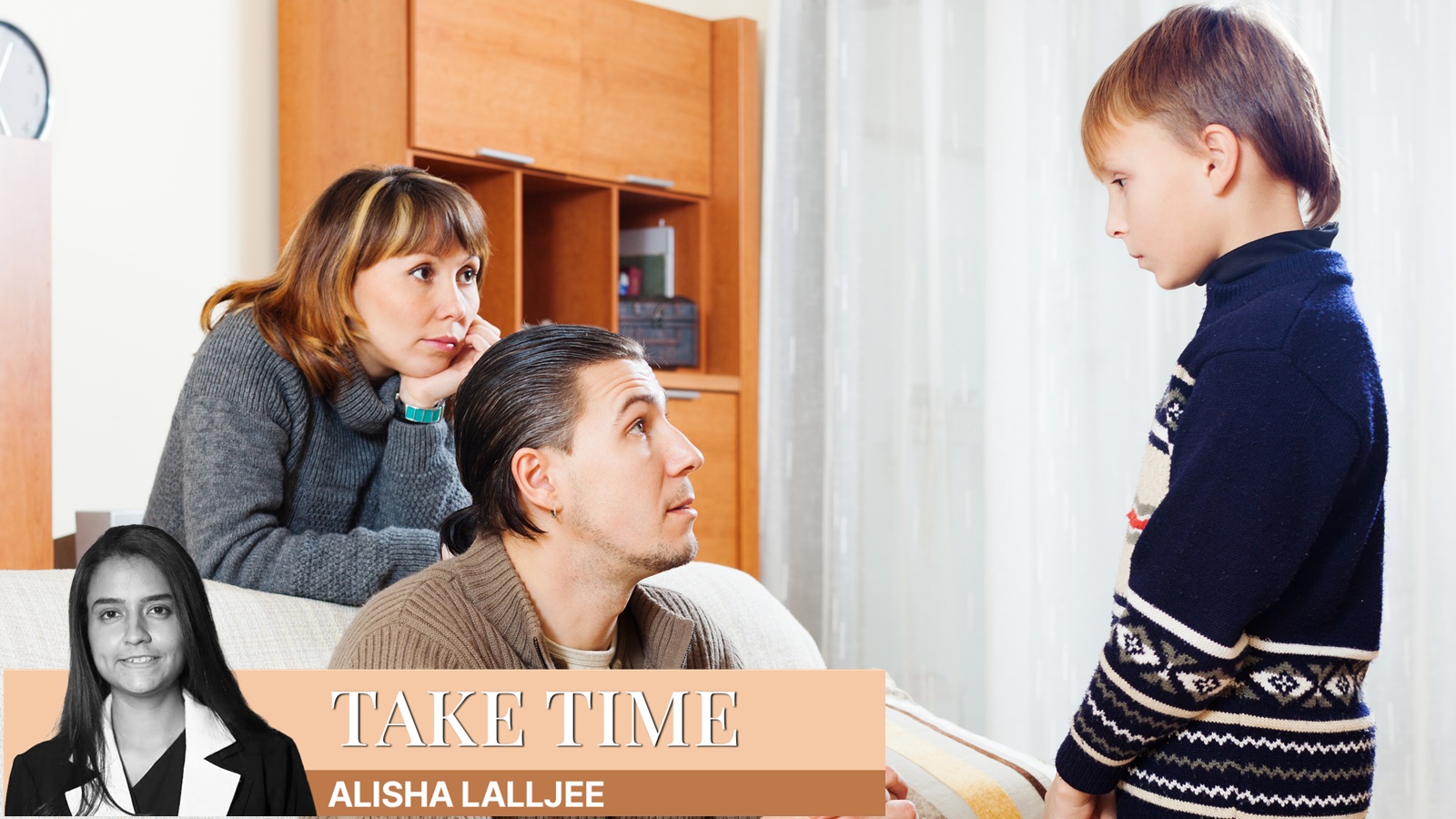
One of the questions that quietly exists in many homes is whether a parent should ever say sorry to a child. For many people, the idea feels uncomfortable because they grew up believing that parents must always appear certain, strong, and unquestionable. There is often a fear that apologising will reduce respect, blur boundaries, or make children stop listening.
But relationships do not become stronger because one person never makes mistakes. They become stronger because people learn how to find their way back to each other after mistakes happen. Arguments and disagreements are a natural part of a child’s growing-up years, and disagreements between parents and children can be emotionally exhausting.
In the heat of the moment, it is easy for parents to focus on winning the argument instead of finding a solution. Parenting happens in the middle of deadlines, financial stress, exhaustion, interrupted sleep, emotional baggage, grief, overstimulation, and all the invisible burdens adults quietly carry. Parents will sometimes raise their voice, dismiss a feeling too quickly, misunderstand a situation, make a promise they cannot keep, compare siblings, react before listening, or become emotionally unavailable. None of this automatically makes someone a bad parent.
What matters is what happens next
A secure and flexible support system helps children trust their own decisions while gently guiding them towards new ways of understanding situations. Yet heated arguments often end without any resolution or, worse, with threats, punishments, or ultimatums. Such responses can slowly damage a child’s self-esteem and make them question their own worth. Sometimes, the healthiest decision is to pause the conversation and return to it once everyone has had time to calm down, especially when the discussion has gone around in circles.
Reconnecting with your child after a disagreement is one of the most important steps in repairing the relationship. Many parents instinctively withdraw after an argument, believing that distance will teach a lesson. For a child or teenager, however, that silence often feels less like space and more like rejection. A warm hug, reassuring words, or simply sitting beside your child communicates that while the disagreement may have been difficult, the relationship remains safe.
A parent who can pause and say sorry gives a child something incredibly valuable. They communicate that love does not disappear after conflict and that relationships become stronger, not because they are perfect, but because they can be repaired. Children are constantly watching adults to understand how relationships work. They learn far less from lectures than from what they repeatedly experience. If a parent never apologises, a child may slowly begin to believe that power means never admitting mistakes. They may think that being older or stronger gives someone permission to hurt others without taking responsibility.
On the other hand, when a parent says, “I am sorry I shouted at you,” or, “I misunderstood you and I should have listened first,” the child learns something powerful. They learn that mistakes do not end a connection. They discover that respect and accountability can exist together. Years later, they may not remember the exact argument, but they often remember whether someone came back for them emotionally. Reconnecting also teaches children that acknowledging mistakes is not a weakness but a strength. It helps them understand that conflict does not have to end a relationship and that difficult conversations can still lead to closeness.
At the same time, apologising to a child does not mean reversing roles or making the child emotionally responsible for the parent. Healthy apologies are not performances, and they are not emotional unloading. Statements such as, “I am the worst parent,” “You must hate me now,” “After everything I do for you, I cannot believe I made one mistake,” quietly shift the emotional responsibility onto the child. That is not a genuine repair. A meaningful apology is simple, clear, and appropriate for the child’s age. A parent might say, “I got angry, and I spoke harshly. I am sorry. I want to handle it differently next time.”
An apology is less about the actual words and more about the message beneath them. (Magnific)
Notice that this does not remove boundaries. A parent can still hold limits while apologising. A child can still be corrected, and a parent can still apologise for yelling. Those two realities can comfortably exist together. Saying sorry does not mean saying the child was right about everything. It simply recognises that the way something is communicated matters just as much as the message itself.
Children rarely expect flawless parents. What hurts more is when obvious pain is ignored, dismissed, or denied. A child who repeatedly hears, “That never happened,” or “You are too sensitive,” may slowly begin to question their own experience. In contrast, a child who hears, “I understand why that upset you,” learns to trust both their emotions and the relationship. As children grow into teenagers and adults, these experiences shape how they handle conflict. They become people who can express discomfort, accept responsibility, and repair relationships without shame. They do not see conflict as proof that love has ended. They understand that closeness and accountability belong together.
Deeper question
Perhaps the deeper question is not whether parents should say sorry but what kind of relationship they hope to build over time. Many adults carry memories from childhood that are not about strict rules or discipline. They remember moments when they felt unseen, unheard, or emotionally alone. Often, what stays with a child is not the punishment itself but the silence that follows. Not because parents intended harm, but because many previous generations were never taught that emotional repair was an essential part of parenting.
Many parents themselves grew up without ever hearing an adult apologise, which is why offering one can initially feel unfamiliar. Yet children do not need parents who know everything. They need parents who remain emotionally available, even after difficult moments. A child’s curiosity is like a sponge, constantly absorbing new possibilities, while an adult’s mind often functions like an anchor, seeking stability, predictability, and practical outcomes. Bridging these two perspectives requires patience, humility, and connection. There is no one better equipped to build that bridge than a parent who is willing to listen, reflect, apologise when necessary, and remind their child that love remains constant, even after the hardest conversations.
In many ways, an apology is less about the actual words and more about the message beneath them. The message is simple: I see your experience. Your feelings matter. Admitting that I hurt you does not make me less of a parent. It makes our relationship honest enough to grow.
There is something deeply healing for a child when an adult says, “I should have done better.” Not because children are keeping score, but because it reassures them that relationships can survive difficult moments. Emotional safety does not come from never being hurt. It comes from knowing that when hurt happens, someone will return, acknowledge it, and try again. That may be one of the most valuable lessons a parent ever teaches.
(This article has contributions from Vrushali Bahatkar, who is an aspiring anthropologist.)
View original source — Indian Express ↗
Related stories
Sky Sports
SportsJul 1, 2026 · 1 min
'I'd love to do it' - Molinari eyes European captaincy after next Ryder Cup role
Sky Sports

Rio Times
BusinessJul 1, 2026 · 1 min
Argentina’s Market Pauses at Resistance With the Reform Trade Still Intact
Rio Times

South China Morning Post
PoliticsJul 1, 2026 · 1 min
A US missile killed Iranian schoolchildren 4 months ago. Still, no one accepts blame
South China Morning Post

Dawn
BusinessJul 1, 2026 · 1 min
'My dream is broken': Japan visa rules push out foreign residents
Dawn