Times of India
Times of India··2 min read
Which drug works best for you? One blood test can tell
Ever wondered why a medicine works perfectly for one person while having no effect on the other? For instance, folic acid is usually prescribed to someone with high levels of homocysteine (amino acid that’s a heart risk marker).
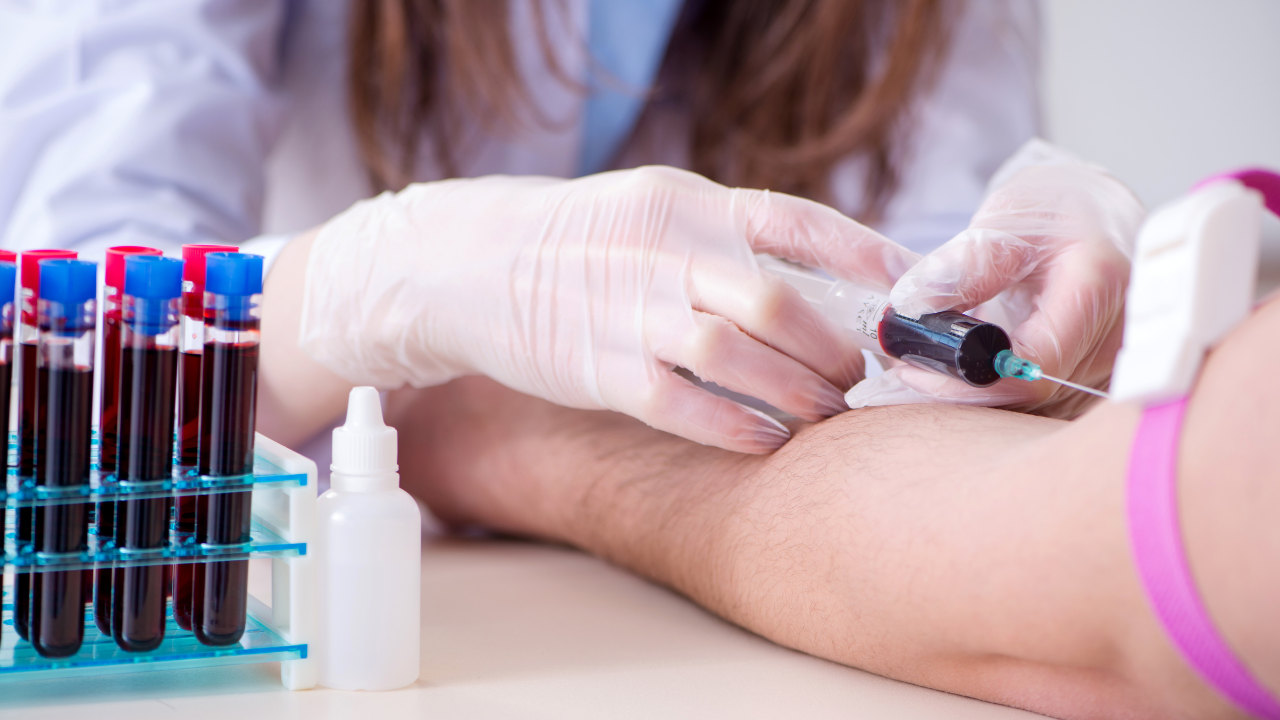
But when a standard course barely lowered the numbers in a patient, genetic analysis revealed he carried a gene variant that affected his ability to convert folic acid into its active form. Methylfolate, rather than standard folic acid drugs, was more appropriate for him. Without his genetic data, this might not have come to light. Around 30% of people carry this genetic variation, something that doesn’t show up in a regular blood test.This is what a new test called Mira One aims to address. Developed by Pune-based health tech platform PreventiveHealth.ai, which is partnering with GenePath Diagnostics, it’s not a single test in isolation but multiple layers of health data packed into one report, reading one’s blood markers, the DNA one has inherited, and how one responds to medicines.For the test, blood samples undergo a broad panel of clinical analyses, while genetic data is generated from DNA scrutiny.
These are then interpreted through a structured analytical framework that integrates biomarker and genetic findings to generate personalised health insights. Mira One brings both data streams together to understand one’s present health status and long-term health risks.
A single blood draw combines three layers of information. First, whole genome sequencing analyses a person’s genetic code. As genes do not change, this generally needs to be done only once.
Second is pharmacogenomics, which examines how a person’s genetics may influence medication response. This can help identify which drugs may be more or less suitable, and how efficiently they are likely to be metabolised. Third is a comprehensive blood panel that can be repeated periodically and interpreted against someone’s permanent genetic baseline.The report is organised into three sections: Good News, Action Required and Watch List.
Sensitive findings, such as genetic risks for neurodegenerative diseases, are disclosed only with consent from the patient.It is tempting to assume that a powerful AI can interpret a genome on its own. In reality, today’s AI systems are pattern-recognition engines, not experts that truly understand biology. Confident answers are not the same as accuracy. In healthcare, where one missed mutation or misinterpreted variant can have significant consequences, that limitation matters.
AI is not yet a substitute for experienced geneticists, bioinformaticians, and clinicians.India faces one of the world’s largest chronic disease burdens, including diabetes and premature heart disease. Many of these conditions become easier to manage when risk factors are identified early. Innovations in health tech, as a result, are increasingly focused on reading and interpreting biomarkers as a way of preventing disease before it becomes visible or reaches a stage that requires aggressive treatment. The Mira One test has been through a first cohort already, and is being rolled out through clinical partners.
View original source — Times of India ↗
Related stories

RFI
NewsJul 1, 2026 · 1 min
Ireland takes over EU presidency with French naval help on security
RFI

Sky Sports
SportsJul 1, 2026 · 1 min
'I'd love to do it' - Molinari eyes European captaincy after next Ryder Cup role
Sky Sports

Rio Times
BusinessJul 1, 2026 · 1 min
Argentina’s Market Pauses at Resistance With the Reform Trade Still Intact
Rio Times

Dawn
BusinessJul 1, 2026 · 1 min
'My dream is broken': Japan visa rules push out foreign residents
Dawn