The Guardian
Specieswatch: How heatwaves play havoc with bees’ fertility
We know heatwaves have serious health consequences for humans, but what about other species? A study has shown they severely diminish bees’ fertility, with significant implications for the pollination of food crops in the following years.
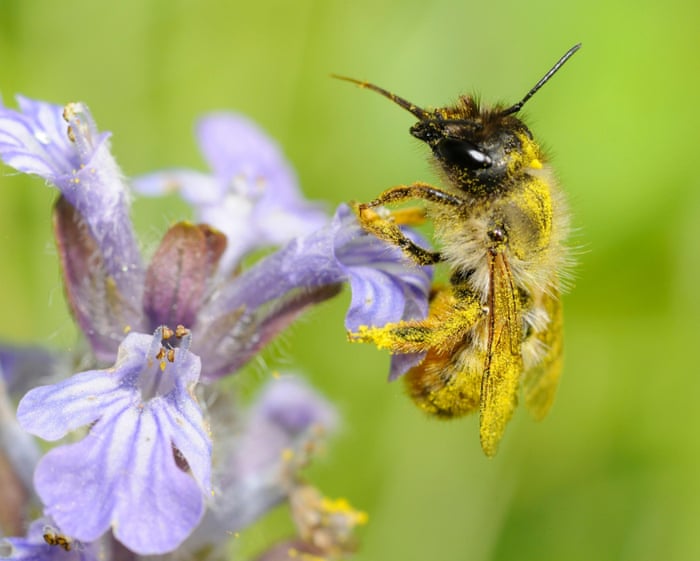
Prof James Gilbert of the University of Hull his and colleagues simulated a three-day UK heatwave in the lab and measured its effect on solitary red mason bees, compared with those kept under control conditions of an ordinary summer.
After nine months both sets of bees had spun their cocoons and hibernated as normal, but when the researchers dissected the bees they discovered that the sperm activity of the males from the heatwave group had dropped by half compared with the control group. Females in the heatwave group showed a 15% reduction in the size and number of developing eggs.
More than 90% of the UK’s 270 or so bee species are solitary and do not have nest-mates to help out. The findings, published in the Journal of Thermal Biology, suggest a heatwave could lead to a big drop in the number of bees the next year, with less efficient pollination for key food crops such as apples and oilseed rape.
View original source — The Guardian ↗
Related stories

Indian Express
TechnologyJul 1, 2026 · 1 min
Google introduces Nano Banana 2 Lite alongside wider rollout of Gemini Omni Flash
Indian Express

Rio Times
TechnologyJul 1, 2026 · 1 min
Bitcoin Bounces but Stays Below 60,000 as Fund Outflows Keep the Pressure On
Rio Times

Lovin Malta
TechnologyJul 1, 2026 · 1 min
Watch: Robert Abela Casts Vote In Labour Leadership Election
Lovin Malta

AllAfrica
TechnologyJul 1, 2026 · 1 min
South Africa: One Dead, 11 Hurt in Limpopo Border Bus Crash - South African News Briefs - July 1, 2026
AllAfrica