
Straits Times
NATO allies have grown silent on rights concerns in Turkey
ANKARA, July 1 - Five years ago, the West risked a full-blown diplomatic crisis with NATO ally Turkey when 10 ambassadors called for the release of a man they saw as a political prisoner, prompting an angry President Tayyip Erdogan to order their expulsion.
After two frantic days in 2021, the sides stepped back from the brink with the U.S., French, German, Canadian and other envoys issuing conciliatory statements and Erdogan saying they would be more careful in the future.
And so they have been.
Since then — and especially since Russia's invasion of Ukraine a year later left Europe feeling exposed — the West has mostly avoided publicly raising concerns about Turkey's record on rights and freedoms, instead focusing on boosting security ties with the regional military power and big arms exporter.
The West's diplomatic pivot will be on display when the leaders of NATO's 32 member states meet in Ankara on July 7 to 8.
They are not expected to criticise an unprecedented legal crackdown on Turkey's main opposition Republican People's Party (CHP), including the jailing of its presidential candidate, Istanbul's Mayor Ekrem Imamoglu, Erdogan's main rival, according to Western and Turkish diplomats involved in summit planning.
WESTERN SILENCE
Some critics of Erdogan's government believe the relative Western silence encourages its authoritarian slide, isolates Turkey's opposition and ignores NATO's founding principles of democracy and rule of law.
"It remains important for the West to continue to comment on the degradation of democratic institutions in Turkey because the course is not irrevocably set, Turkey is not beyond the pale," said David Satterfield, a former U.S. ambassador to Ankara.
"It's important that Turks hear others talking about their system in this way," Satterfield, now director of the Baker Institute for Public Policy, told Reuters.
Erdogan's office did not respond to a request for comment on such views.
Satterfield denied that his advocacy for human rights in Turkey had harmed core transactional U.S.-Turkish ties, and added that the decision during President Donald Trump's second term to avoid discussing democratic values had not advanced relations.
Erdogan briefly ordered that Satterfield should be declared "persona non grata" in 2021, along with nine other Western ambassadors, after they jointly called for the release of jailed philanthropist Osman Kavala, saying the case was damaging for Turkish democracy.
Kavala, jailed for nearly nine years, faces a life sentence for allegedly attempting to overthrow the government, which he denies. The European Court of Human Rights has ruled that he and others in the case should be released given insufficient evidence, and that his detention was intended to silence him.
Erdogan's ruling AK Party, in power for 23 years, rejects criticism of its democratic credentials and any suggestions that courts are politicised, saying the judiciary is independent.
Hundreds of elected opposition CHP officials and members have been jailed over the past two years and its leader has been ousted, in what the party calls a judicial coup.
DETENTIONS, RESTRICTIONS AHEAD OF SUMMIT
To the alarm of rights groups ahead of the NATO summit, dozens of Turkish journalists from independent media outlets have been denied access to cover the event, while authorities have detained more than 200 people, citing security concerns.
Erdogan's office did not comment on the denied media accreditations, while NATO says it relies on the host country for guidance on such matters.
Asked whether the alliance plans to raise rights concerns at the summit, a NATO official referred to an earlier statement regarding the accreditation issue, saying it was very important for reporters to attend in person.
The U.S. embassy in Ankara did not immediately comment on any shift in policy toward Turkey.
Few foreign capitals have commented on the crackdown on the CHP. Some Western diplomats say overt criticism of Ankara's policies does little to mitigate any democratic backsliding, so they prefer to raise concerns privately with Turkish officials.
TRUMP SEES ERDOGAN AS A FRIEND
The NATO summit marks Trump's first visit as U.S. president to Turkey. He is also expected to hold a bilateral meeting with Erdogan, whom he regularly calls a friend, underscoring the warmest U.S.-Turkish ties in years.
Ankara wants the summit to highlight alliance unity and help expand defence-industry partnerships. NATO chief Mark Rutte said tens of billions of dollars worth of deals would be announced.
Allies increasingly see Turkey, which has NATO's second-largest military and is a leading exporter of armed drones, as a bulwark against Russian aggression on the southeast flank.
Its rising value within NATO comes after some past strains including over Turkey's delay of Sweden and Finland's membership bids in 2022 to 2023, and despite its relatively cordial relationship with Moscow.
Western allies are now signalling they have "given up on values to an extent and prefer a transactional relationship ... knowing that Turkey is indispensable for the defence of Europe," said Karol Wasilewski, head of Turkey, Caucasus and Central Asia at the Warsaw-based Center for Eastern Studies.
Ankara knows that any Western criticism, including over the crackdown on the opposition CHP, will be muted and "won't translate into actions", Wasilewski said. REUTERS
View original source — Straits Times ↗
Related stories

The Hindu
PoliticsJul 1, 2026 · 1 min
U.S. deports first migrant to Pacific nation Palau
The Hindu
South China Morning Post
PoliticsJul 1, 2026 · 1 min
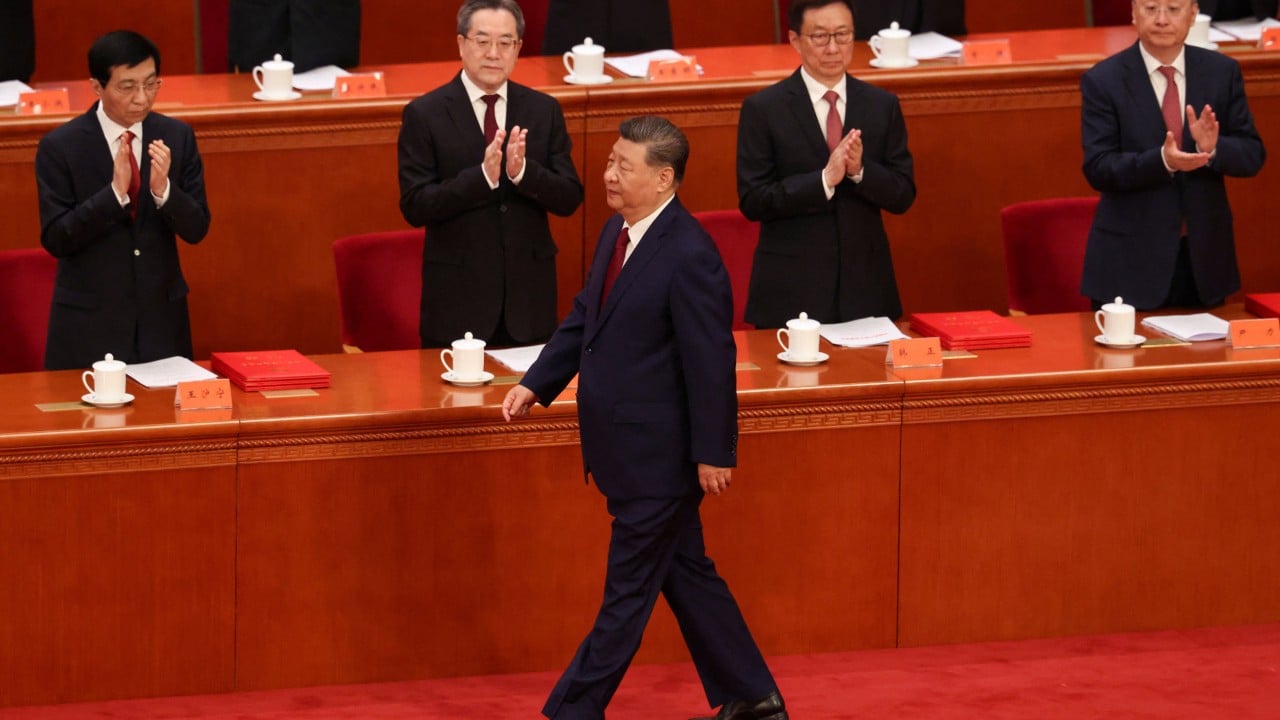
Xi projects confidence for China’s Communist Party at home and on world stage
South China Morning Post
The Guardian
PoliticsJul 1, 2026 · 1 min
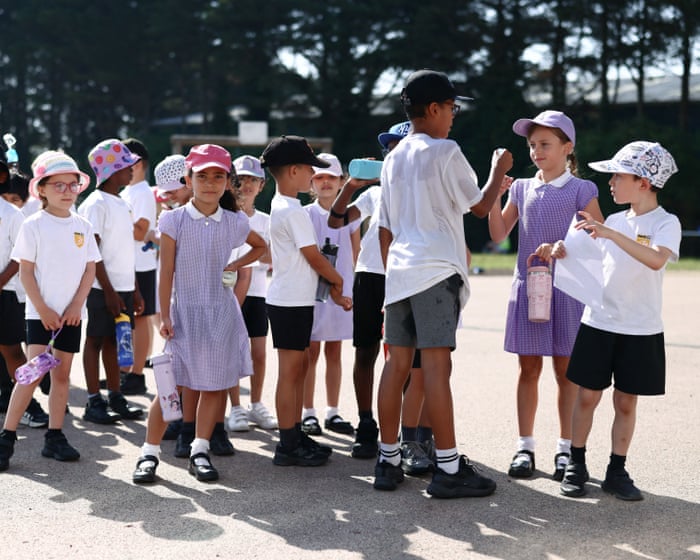
When the right promotes heat-stress denial, ask yourself this
The Guardian
South China Morning Post
PoliticsJul 1, 2026 · 1 min
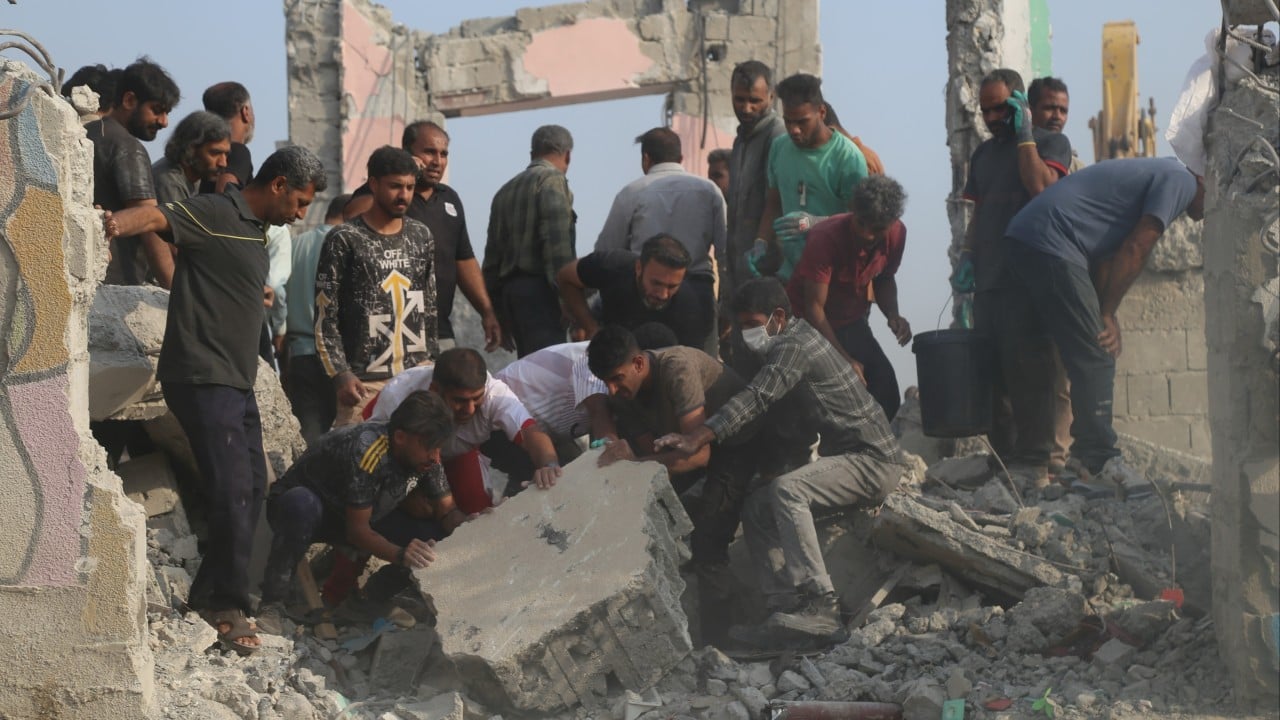
A US missile killed Iranian schoolchildren 4 months ago. Still, no one accepts blame
South China Morning Post