The Guardian
‘Life saving’ drug for people with opioid dependency to be pulled from Australia by end of year
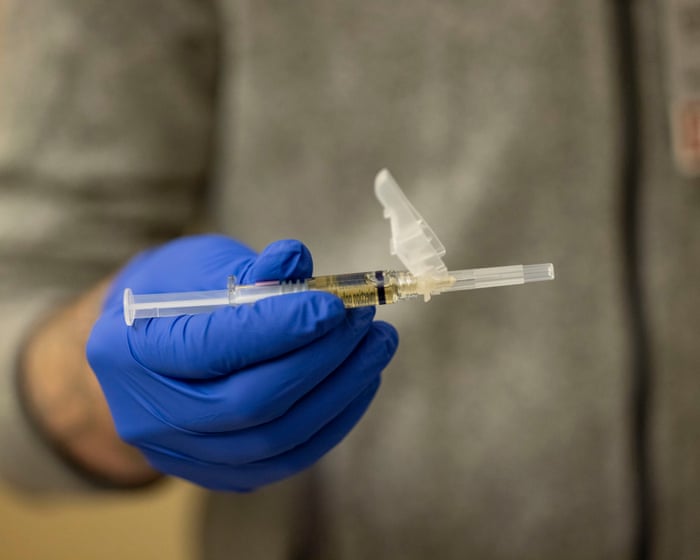
A “life-saving” drug heavily subsidised for Australians living with opioid dependency will be pulled from the market by the end of the year, causing alarm among doctors and pharmacists.
US pharmaceutical company Indivior confirmed the marketing and sale of the long-acting injectable prescription opioid Sublocade would end from 31 December, with a company spokesperson describing it as a “commercial decision”.
It comes less than a month after AstraZeneca said it would remove from the pharmaceutical benefits scheme (PBS) and private market the breast cancer and endometriosis medicine Zoladex – a monthly 3.6mg implant – similarly citing a lack of commercial viability.
The federal health minister, Mark Butler, said last month drugs pricing was in an enormous state of flux amid US policy changes.
“Indivior intends to work with the appropriate authorities and experts in Australia to ensure an orderly transition that minimises disruption,” the spokesperson told Guardian Australia.
Sublocade was added to the PBSin 2020 and was considered a significant advance in treatment for people living with opioid dependency because other treatments, such as methadone and buprenorphine, require daily or frequent visits to a pharmacy.
Sublocade is a long-acting, monthly injection administered at a pharmacy or GP clinic. While there is an alternative monthly injection called Buvidal available through the PBS, Melbourne GP Dr Owen Harris said “in my experience, and in the experience of many others, the Sublocade product is just much better for some people”.
“It’s more stable, it lasts longer, people feel better on it, and it really has been life-changing for them. Some people can stretch their dose out to once every six weeks, or even longer.
“It, quite honestly, has been life-saving and life-changing for many of my patients.”
A federal health department spokesperson said “any proposed discontinuation of a medicine can cause concern for patients and clinicians”.
“Maintaining access to safe, effective and affordable medicines remains a priority,” the spokesperson said. “These are commercial decisions made by private companies, and the Australian government cannot compel a company to continue supply.”
‘Chaos across the industry’
Butler said last month policies such as the US “most favoured nations” approach “are reshaping how companies think about pricing”.
Part of the argument for the policy is that the US should pay the same price as “reference countries”, with Donald Trump arguing that pharmaceutical companies have been discounting drugs to get into foreign markets such as Australia, and subsidising those cheaper medicines by charging more in the US.
Critics of the US policy say pharmaceutical companies will not compromise their profits in the US, and will either raise their prices in smaller markets so the US has to pay the same, or pull out of those smaller markets altogether if higher prices are not agreed to by governments.
An adjunct professor at the University of Sydney’s pharmacy school, Brendan Shaw, said pharmaceutical companies were increasingly examining the impact on global markets when they agreed to supply cheaper medicines to Australia under the PBS.
“What the US position has done is draw these debates out into the light, and companies are scrambling, frankly,” he said. “It sort of caused chaos across the industry and the health sector worldwide as the companies all readjust to this.”
Shaw is also a former chief executive of Medicines Australia, which represents the research-based pharmaceutical industry. He said he suspected more drugs might be pulled from the Australian market because of “pressures that are building internationally”.
“Companies are going to have to make a decision about where they put their medicines and what levels they price at, with one eye on what impact that’s going to have on some of the major markets internationally.”
Dependence on opioids such as codeine, oxycodone and heroin is associated with a range of health and social harms, with medications like Buvidal and Sublocade helping people to manage the effects of dependence.
On a snapshot day in 2025, 57,740 Australians were receiving some form of pharmacotherapy treatment for opioid dependence, the latest data from the Australian Institute of Health and Welfare shows.
In 2020, pharmacist Angelo Pricolo became the first person in Australia to administer someone with Buvidal. He described it and Sublocade, which both contain the active ingredient buprenorphine, as particularly important for those living in remote areas.
He said there are “significant differences” between Sublocade and Buvidal “that mean some patients respond better to one over the other”.
“We sometimes see those requiring higher doses do better with Sublocade and also the duration of action importantly can be different,” Pricolo said.
“Choice for the patient and healthcare provider is very important and can be the factor that determines engagement in treatment or indeed a return to drug use. But it is not just choice that is the issue here.
“If we only have one drug and for some unforeseeable reason it cannot be accessed, then that is a huge issue. The addiction treatment space is a delicate ecosystem with an already vulnerable cohort now seemingly dealt another unfair result.”
View original source — The Guardian ↗
Related stories

TASS
TechnologyJul 1, 2026 · 1 min
China reiterates call to lift unilateral sanctions on Iran
TASS

TechRadar
TechnologyJul 1, 2026 · 1 min
Lee Cronin's The Mummy is the biggest horror movie coming to HBO Max in July — here's when you can stream it
TechRadar
TechRadar
TechnologyJul 1, 2026 · 1 min
Easemate.ai review: Easemate: Easemate
TechRadar

Indian Express
TechnologyJul 1, 2026 · 1 min
Balcony collapse kills man in Mumbai, second rain-related death in 24 hours
Indian Express