Times of India
Times of India··2 min read
Lost your property papers? What you should do to get duplicate copy of lost sale deed
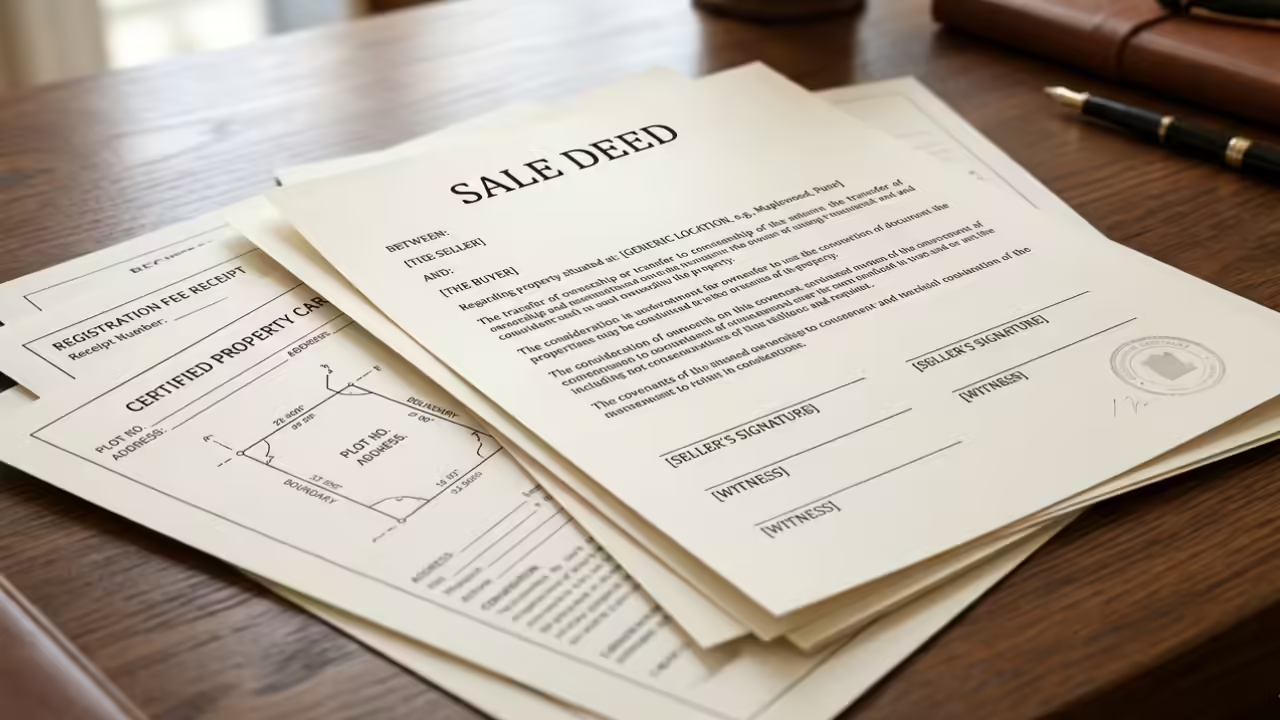
A sale deed is the primary legal document that establishes ownership of a property. It is required while selling a property, applying for a home loan, transferring ownership or resolving legal disputes. Losing the original can create hurdles, but it does not take away your ownership rights.
A sale deed is the primary legal document that establishes ownership of a property. It is required while selling a property, applying for a home loan, transferring ownership or resolving legal disputes.
Losing the original can create hurdles, but it does not take away your ownership rights.Before approaching the authorities, keep details such as the property's address, buyer and seller names, registration date, document number (if available) and other identifying information ready. These records help officials trace the registered document quickly.
Visit the office of the Sub-Registrar where the property was originally registered.
Registered sale deeds are maintained in official records, allowing owners to request a certified copy whenever required.Submit a written application explaining that the original sale deed has been lost or is unavailable. Along with the application, furnish proof of identity, property details and pay the prescribed fee applicable in your state.The registration department will verify the ownership details and match the application with its records before issuing the certified copy.
Processing time may vary depending on the state and workload at the registration office.Once issued, verify that all details in the certified copy are accurate. Store the document securely and maintain scanned copies separately to avoid future inconvenience.
If your bank misplaced the original documents
Sometimes the original sale deed is deposited with a bank while availing of a home loan. If the lender loses the document, homeowners should immediately submit a written complaint and obtain the bank's response in writing.The next steps include filing an FIR reporting the loss, publishing a notice in a newspaper, obtaining an affidavit from the bank acknowledging the loss, securing an encumbrance certificate and applying for a certified copy from the Sub-Registrar. Since the documents were lost while in the bank's custody, borrowers can also request the lender to bear the cost of obtaining duplicate records.
Can a duplicate sale deed be used for a home loan?
A certified copy establishes the existence of the registered transaction but may not always be treated on par with the original by lenders. Banks may ask borrowers to submit additional documents--such as the FIR, newspaper notice, bank affidavit and encumbrance certificate--before processing a fresh home loan or loan against property where the original sale deed is unavailable.
View original source — Times of India ↗
Related stories

The Punch
PoliticsJul 1, 2026 · 1 min
2027: Kwara PDP unveils deputy gov candidate
The Punch
The Punch
NewsJul 1, 2026 · 1 min
Christensen signs new two-year deal at Barcelona
The Punch
The Punch
NewsJul 1, 2026 · 1 min
Corps member empowers 1,102 Taraba women, students with vocational training
The Punch
The Punch
NewsJul 1, 2026 · 1 min
FRSC opens 2026 recruitment July 3, how to apply
The Punch