Indian Express
‘Sugar at 66, BP was low…nowhere near death’: Sonam Wangchuk shares health update
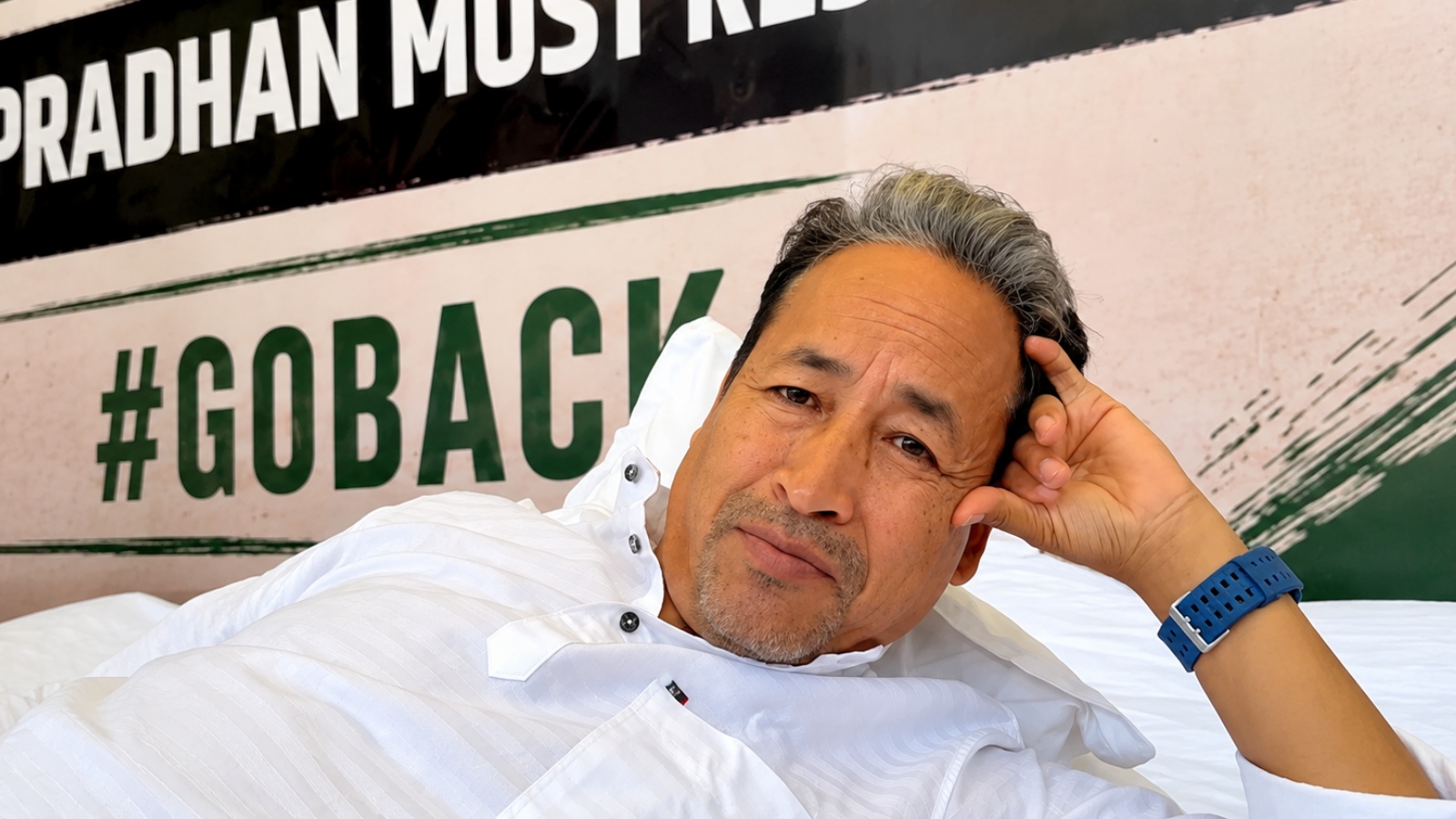
Social activist Sonam Wangchuk is on a hunger strike at Jantar Mantar in Delhi, protesting alleged irregularities in the examination system. However, his health has been a cause of concern for his well-wishers, who have, time and again, shared his health status. Now sharing an update himself, Wangchuk informed that he is doing fine; however, his blood sugar has dropped.
“I’m feeling ok, bit tired though. Doctor said BP was low; I’ll increase water and salt intake. Sugar level is low at 66, but that’s because of no food for 3 days, as ketosis takes over; the body starts consuming fats, etc. In a prolonged fast, it may consume muscles & organs resulting in death, but I’m nowhere near that. My weight has gone down by 2 Kgs… a loss of some 650 gm per day n that’s also normal. My inconveniences are nothing compared to the 20+ students who gave their lives & the 5 youths who died in Ladakh last September,” Wangchuk shared on Instagram.
DISCLAIMER: This article is based on information from the public domain and/or the experts we spoke to.
While the body is designed to survive short periods without food, prolonged fasting triggers several metabolic changes that can affect blood sugar, blood pressure, hydration and muscle mass. So, what exactly happens to your body when you don’t eat for three to four days?
How does blood sugar change after 3-4 days without food?
According to Dr Himika Chawla, Senior Consultant, Endocrinology and Diabetology, PSRI Hospital, the body initially relies on stored glucose before switching to alternative fuel sources.
“Extended fasting is all the rage for weight loss and detoxification, but going without food for three to four days can cause major changes in the body. The body adapts by using stored energy sources. However, prolonged fasting may also lead to low blood sugar, dehydration, low blood pressure and muscle loss,” says Dr Chawla.
She explains that after the glucose from the last meal is exhausted, the body begins using glycogen—the stored form of glucose in the liver- for energy.
“Typically, these glycogen stores are depleted within about 24 hours. The body then starts making glucose from protein and fat while simultaneously breaking down fat to produce ketones, a process known as ketosis,” she explains.
Story continues below this ad
Although ketosis allows the brain to continue receiving energy, blood sugar levels may gradually fall. “This drop is more likely in people with diabetes, those taking glucose-lowering medications, or individuals with poor nutritional reserves,” Dr Chawla adds.
On Wangchuk’s 66 mg/dL
Regarding Wangchuk’s reported blood sugar of 66 mg/dL, Dr Chawla says the reading falls below the normal range. “A blood sugar level of 66 mg/dL is considered hypoglycaemia. It can occur during prolonged fasting as ketosis develops, but it should not be ignored. If it is accompanied by symptoms such as dizziness, confusion, sweating or fainting, medical evaluation is essential,” she explains.
She adds that blood sugar below 54 mg/dL is considered severe hypoglycaemia and requires urgent treatment because it can result in seizures, unconsciousness and brain injury.
What else happens to the body during prolonged fasting?
“After three to four days without food, fat becomes the body’s primary fuel source, ketone production increases and muscle protein is gradually broken down to produce glucose. At the same time, metabolism slows to conserve energy, hormone levels change and electrolyte imbalances may develop,” says Dr Chawla.
These physiological changes often translate into noticeable symptoms. “Many people experience fatigue, dizziness, difficulty concentrating and reduced physical capacity during prolonged fasting,” she notes.
Story continues below this ad
When should you seek immediate medical care?
Dr Chawla advises seeking emergency medical attention if prolonged fasting is accompanied by:
Severe dizziness or repeated fainting
Confusion or altered mental status
Seizures
Chest pain
Difficulty breathing
Persistent vomiting
Inability to eat or drink
Loss of consciousness
“Prolonged fasting should ideally only be undertaken under medical supervision. It is not recommended for people with diabetes, heart disease, kidney disease or other chronic medical conditions because the risks can be significant,” says Dr Chawla.
Wangchuk is fasting to demand constitutional safeguards for Ladakh and to protest against alleged irregularities in India’s public examination systems. He began the protest on June 28 seeking the resignation of Union Education Minister Dharmendra Pradhan over alleged irregularities.
DISCLAIMER: This article is based on information from the public domain and/or the experts we spoke to.
View original source — Indian Express ↗
Related stories

South China Morning Post
TechnologyJul 1, 2026 · 1 min
‘YMCA’ Village People singer Victor Willis dies at 74
South China Morning Post

TechRadar
TechnologyJul 1, 2026 · 1 min
Nanoleaf’s new ceiling light isn’t a show-stopper like the Philips Skylight, but it wins on the smart home features…
TechRadar

The Moscow Times
TechnologyJul 1, 2026 · 1 min
Wildberries Stops Compensating Sellers for Products Damaged in Airstrikes
The Moscow Times

AllAfrica
TechnologyJul 1, 2026 · 1 min
Uganda: Besigye Sues Muhoozi Over Martha Karua's Deportation
AllAfrica