Indian Express
Indian Express··4 min read
Dream of tanker-free state not yet completed, citizens suffering: HC asks govt if water schemes reached the needy
4 min readMumbaiJul 1, 2026 10:01 PM IST
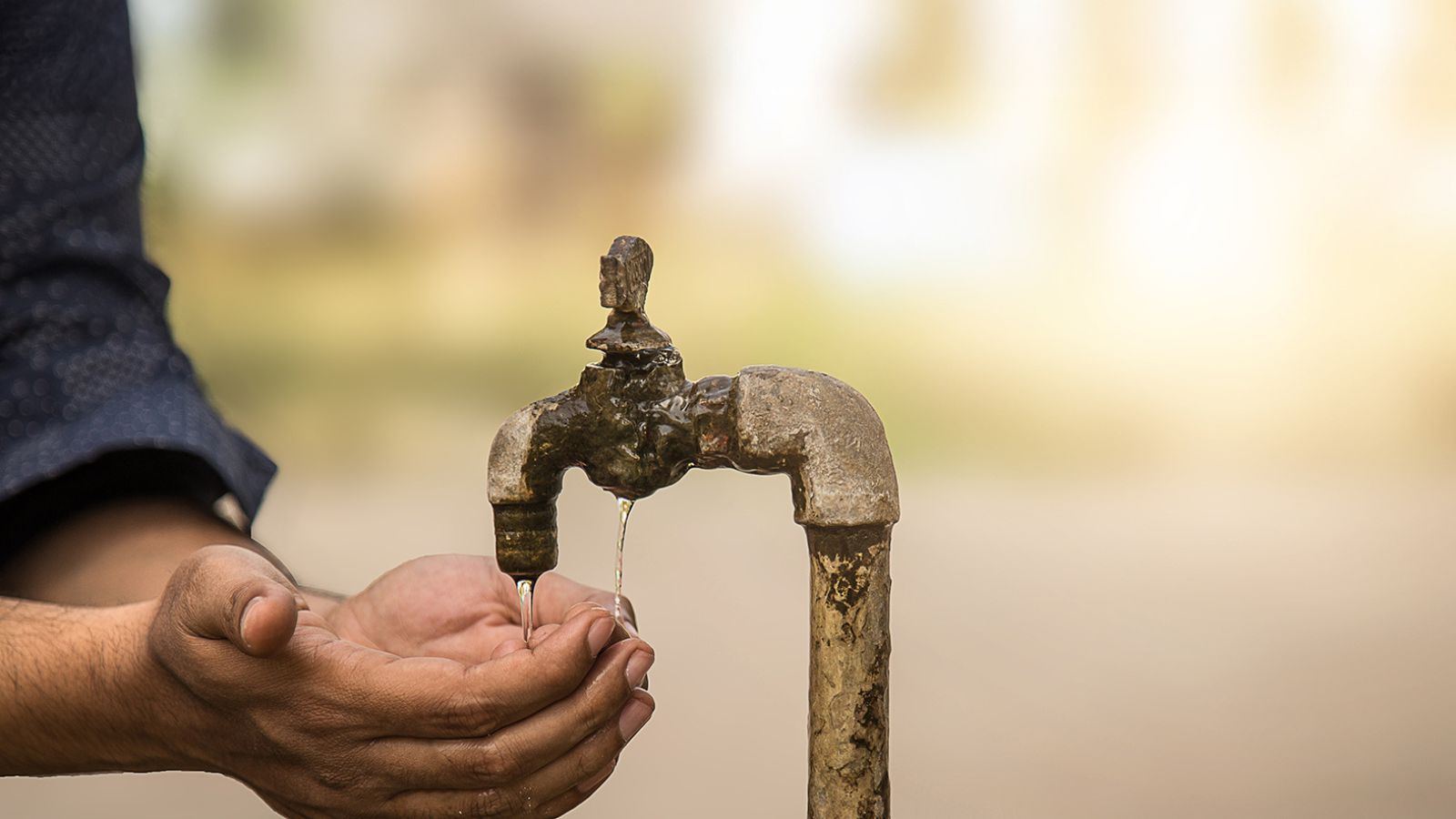
The state responded it was ensuring adequate water supply, including through tankers in crisis-hit areas. (File Photo)
The Bombay High Court on Wednesday questioned the Maharashtra government as to why the state has not become tanker-free despite various schemes, including the Jal Jeevan Mission (JJM) for drinking water supply, being in place, and sought to know if such schemes were properly implemented for needy people, who are the ultimate beneficiaries of the schemes.
The Court, while hearing PILs raising concerns over malnutrition and water shortage in tribal areas, remarked that a ‘tanker-free Maharashtra’ did not appear to have been achieved yet and sought to know the details of funds received by the state under the JJM, initiated in 2019, and how they were utilised by the next hearing.
On June 23, a bench of Justices Ajey S Gadkari and Kamal R Khata had remarked that repeated orders on malnutrition in Maharashtra’s tribal regions had only burdened court records due to official inaction. The HC had asked the state to verify claims of drinking water shortages in Melghat and submit a concrete, time-bound water supply plan.
On Wednesday, the Assistant Government Pleader (AGP) P M Joshi-Deshpande for the state informed the court that villages in Dharani and Chikhaldara in the Melghat region were supplied drinking water through tankers, and certain drinking water supply schemes, including JJM, were also being implemented across the region.
She also added that there were certain difficulties faced by the government in implementing the scheme and it had made arrangements for alternative water supply. The state lawyer said that approvals from the Forest Department to lay the lines were awaited to implement JJM in the Melghat region as it fell under the ‘wild forest zone’.
Senior advocate Jugal Kishore Gilda for one of the petitioners claimed the Centre has withheld its 50% JJM funding since October 2024, stalling implementation.
“As per your submissions the scheme started in 2019 and you got permission for JJM in 2024. So for these 5 years, what have you done in the state of Maharashtra? Why is the rest of Maharashtra not tanker-free till today? We understand about these two villages (Dharani and Chikhaldara) because you wanted to take permission from the Centre. According to us, it will not take 5 years to take permission from the Central Government,” Justice Gadkari-led bench questioned the state.
Story continues below this ad
“Whether the schemes have really percolated to the really needed people or has the water evaporated? Do they have a time frame or will they continue in perpetuity till Bharat exists so that people will continue to come to the court every year for drinking water? Why the scheme and water has not reached the needy people (apart from these two villages) who are really in need of it, who are the ultimate beneficiaries of the scheme…The dream of a tanker-free Maharashtra is not yet completed… Ultimately the citizens are suffering,” the judges remarked.
The state responded it was ensuring adequate water supply, including through tankers in crisis-hit areas. The bench sought a detailed response on measures taken over recent years, a ‘concrete stand’ on future steps, and posted further hearing after three weeks.
© The Indian Express Pvt Ltd
Omkar Gokhale is a journalist reporting for The Indian Express from Mumbai. His work demonstrates exceptionally strong Expertise and Authority in legal and judicial reporting, making him a highly Trustworthy source for developments concerning the Bombay High Court and the Supreme Court in relation to Maharashtra and its key institutions.
Expertise & Authority
Affiliation: Reports for The Indian Express, a national newspaper known for its rigorous journalistic standards, lending significant Trustworthiness to his legal coverage.
Core Authority & Specialization: Omkar Gokhale's work is almost exclusively dedicated to the complex field of legal affairs and jurisprudence, specializing in:
Bombay High Court Coverage: He provides detailed, real-time reports on the orders, observations, and decisions of the Bombay High Court's principal and regional benches. Key subjects include:
Fundamental Rights & Environment: Cases on air pollution, the right to life of residents affected by dumping sites, and judicial intervention on critical infrastructure (e.g., Ghodbunder Road potholes).
Civil & Criminal Law: Reporting on significant bail orders (e.g., Elgaar Parishad case), compensation for rail-related deaths, and disputes involving high-profile individuals (e.g., Raj Kundra and Shilpa Shetty).
Constitutional and Supreme Court Matters: Reports and analysis on key legal principles and Supreme Court warnings concerning Maharashtra, such as those related to local body elections, reservations, and the creamy layer verdict.
Governance and Institution Oversight: Covers court rulings impacting public bodies like the BMC (regularisation of illegal structures) and the State Election Commission (postponement of polls), showcasing a focus on judicial accountability.
Legal Interpretation: Reports on public speeches and observations by prominent judicial figures (e.g., former Chief Justice B. R. Gavai) on topics like free speech, gender equality, and institutional challenges.
Omkar Gokhale's consistent, focused reporting on the judiciary establishes him as a definitive and authoritative voice for legal developments originating from Mumbai and impacting the entire state of Maharashtra. ... Read More
Tags:
Bombay High Court
drinking water
View original source — Indian Express ↗
Related stories

The Punch
PoliticsJul 1, 2026 · 1 min
Osun poll: INEC says security personnel will take neutrality oath
The Punch
The Punch
NewsJul 1, 2026 · 1 min
Why ex-minister Nnaji was arrested — ICPC
The Punch
The Punch
PoliticsJul 1, 2026 · 1 min
RMAFC submits political, public officers salary recommendations to Tinubu
The Punch
The Punch
NewsJul 1, 2026 · 1 min
FG, World Bank partner to boost water access, food security
The Punch