Indian Express
Indian Express··6 min read
‘Strict, disciplined, nurturing presence’: Theatre artists mourn doyen’s passing
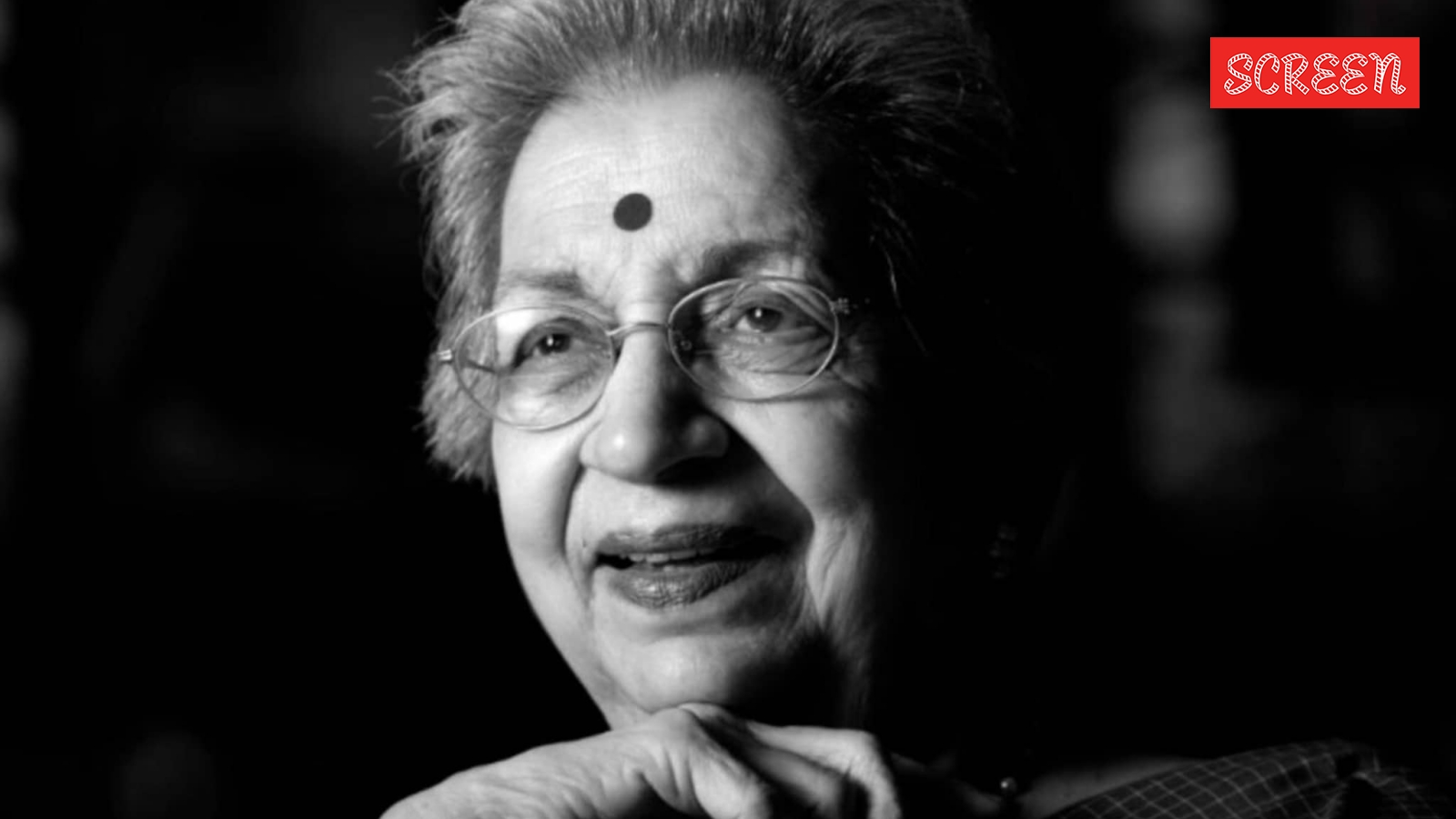
Vijaya passed away on June 30 in Mumbai at the age of 91.
When theatre doyen Vijaya Mehta used to conduct workshops at Lalit Kala Kendra at Savitribai Phule Pune University around 1999-2000, students did not learn about performance alone. Satish Alekar, the eminent playwright and former head of Lalit Kala Kendra, recalls, “She was very strict and disciplined. She used to come in and not go anywhere till the time was over.”
Mehta, who opened new avenues and ways of thinking for Marathi theatre, passed away at her home in Mumbai on Tuesday at the age of 91. The Film and Television Institute of India, Pune, condoled her death by posting a message about her “sterling contribution of lasting excellence in theatre and cinema”. “She was a nurturing presence on the cultural scene of the nation for a very long time. She will be sorely missed,” said FTII.
Mehta’s theatre journey started when she was young and trained at the Royal Academy of Dramatic Arts in London and with doyens, such as Ebrahim Alkazi and Adi Pherozeshah Marzban, among others. In a lifetime spent on stage, Mehta shared her learnings, experiences, imagination and friendships to enrich Marathi and Indian theatre.
Her group, Rangayan, founded with a number of other theatre stalwarts, was a platform for radical, new ideas in the early 1960s. It gave a stage to new playwrights of the time, among them Vijay Tendulkar and Mahesh Elkunchwar, who would become legends over the years. Tendulkar’s Mi Jinkalo Mi Haralo (I Won, I Lost) was staged in 1963 and Elkunchwar’s Holi in 1970 travelled to Pune, possibly, the only it was performed other than Mumbai. Marathi audiences also got to see path-breaking works of foreign writers, such as Romanian-French playwright Eugène Ionesco’s Chairs that was staged as Khurchya, which Mehta directed in 1962.
“Her passing is a major loss to the Marathi industry. If we see the history of Marathi theatre, particularly that of the recent years and the ‘Experimental Theatre’, her contribution was impressive. She has guided several youngsters. What was unique about her was her affectionate, light-hearted and endearing nature which is rarely seen in our industry. Also she was connected with several people because of her good public relations. She was a little older than me, and even though we never worked together, we both used to admire each other’s work,” says pioneering filmmaker and screenwriter Sai Paranjype.
Young performers were of particular interest to her, as she nurtured their talent. Among those was Nana Patekar. “The person who held my hand and taught me how to walk through life has passed away today. There is a sense of emptiness; it feels as if I have lost my very shadow. First, my mother left us; then Sulbhatai, my second mother, passed away; and now Vijayatai, my third mother, is gone. I feel completely orphaned,” says Patekar.
Patekar recalls that they were together for Mehta’s birthday in December 2025. “She loved me dearly. She used to call me her eldest son – what more could one ask for in life? Ageing is a strange thing. Losing the hands that offered blessings brings such deep pain,” he says.
Story continues below this ad
Atul Pethe described Vijaya Mehta as “an icon” whose contribution to theatre was unparalleled. “As a director, she had complete command over every aspect of the stage—from lighting and movement to the overall production. As an actor, her stage presence, pronunciation and command over language were phenomenal,” he said.
Pethe recalled some of her landmark productions, including Wada Chirebandi and Barrister. According to him, she “created magic on stage.” He added that Mehta’s subtle performances had the ability to captivate audiences, drawing them into every expression and gesture. “We haven’t just lost a director and an actor; we have lost one of the pillars of the theatre world,” he said.
(With inputs from Shrijita Acharyya)
Shubham Kurale is a journalist based in Pune and has studied journalism at the Ranade Institute. He primarily reports on transport and is interested in covering civic issues, sports, gig workers, environmental issues, and queer issues. X:@ShubhamKurale1 ... Read More
Dipanita Nath is a Senior Assistant Editor at The Indian Express, based in Pune. She is a versatile journalist with a deep interest in the intersection of culture, sustainability, and urban life.
Professional Background
Experience: Before joining The Indian Express, she worked with other major news organizations including Hindustan Times, The Times of India, and Mint.
Core Specializations: She is widely recognized for her coverage of the climate crisis, theatre and performing arts, heritage conservation, and the startup ecosystem (often through her "Pune Inc" series).
Storytelling Focus: Her work often unearths "hidden stories" of Pune—focusing on historical institutes, local traditions, and the personal journeys of social innovators.
Recent Notable Articles (December 2025)
Her recent reporting highlights Pune’s cultural pulse and the environmental challenges facing the city during the winter season:
1. Climate & Environment
"Pune shivers on coldest morning of the season; minimum temperature plunges to 6.9°C" (Dec 20, 2025): Reporting on the record-breaking cold wave in Pune and the IMD's forecast for the week.
"How a heritage tree-mapping event at Ganeshkhind Garden highlights rising interest in Pune’s green legacy" (Dec 20, 2025): Covering a citizen-led initiative where Gen Z and millennials gathered to document and protect ancient trees at a Biodiversity Heritage Site.
"Right to breathe: Landmark NGT order directs PMC to frame norms for pollution from construction sites" (Dec 8, 2025): Reporting on a significant legal victory for residents fighting dust and air pollution in urban neighborhoods like Baner.
2. "Hidden Stories" & Heritage
"Inside Pune library that’s nourished minds of entrepreneurs for 17 years" (Dec 21, 2025): A feature on the Venture Center Library, detailing how a collection of 3,500 specialized books helps tech startups navigate the product life cycle.
"Before he died, Ram Sutar gave Pune a lasting gift" (Dec 18, 2025): A tribute to the legendary sculptor Ram Sutar (creator of the Statue of Unity), focusing on his local works like the Chhatrapati Shivaji statue at Pune airport.
"The Pune institute where MA Jinnah was once chief guest" (Dec 6, 2025): An archival exploration of the College of Agriculture, established in 1907, and its historical role in India's freedom struggle.
3. Arts, Theatre & "Pune Inc"
"Satyajit Ray, Ritwik Ghatak were not rivals but close friends, says veteran filmmaker" (Dec 17, 2025): A deep-dive interview ahead of the Pune International Film Festival (PIFF) exploring the camaraderie between legends of Indian cinema.
"Meet the Pune entrepreneur helping women build and scale businesses" (Dec 16, 2025): Part of her "Pune Inc" series, profiling Nikita Vora’s efforts to empower female-led startups.
"How women drone pilots in rural Maharashtra are cultivating a green habit" (Dec 12, 2025): Exploring how technology is being used by women in agriculture to reduce chemical use and labor.
Signature Style
Dipanita Nath is known for intellectual curiosity and a narrative-driven approach. Whether she is writing about a 110-year-old eatery or the intricacies of the climate crisis, she focuses on the human element and the historical context. Her columns are often a blend of reportage and cultural commentary, making them a staple for readers interested in the "soul" of Pune.
X (Twitter): @dipanitanath ... Read More
Click here to join Express Pune WhatsApp channel and get a curated list of our stories
Tags:
pune
View original source — Indian Express ↗
Related stories

The Punch
NewsJul 1, 2026 · 1 min
Food security: FG looks to stop fertiliser imports via local production
The Punch
The Punch
NewsJul 1, 2026 · 1 min
Dangote refinery eased foreign exchange pressure, stabilised naira — Afreximbank
The Punch

ESPN
SportsJul 1, 2026 · 1 min
Sources: Oilers set to deal Nurse, 31, to Sharks
ESPN
The Punch
NewsJul 1, 2026 · 1 min
PSC promotes 93 senior police officers, elevates 13 CPs to AIG
The Punch