South China Morning Post
South China Morning Post··1 min read
Central Asia’s republics are no longer the chess pieces of empires
When people speak of the Great Game, they usually mean the 19th-century rivalry between the British and Russian empires for influence over Central Asia. It conjures up images of spies crossing deserts, mountain fortresses and imperial intrigue – an era vividly brought to life in Peter Hopkirk’s books, which first awakened my fascination with the region.
A century and a half after the Great Game, another contest is unfolding across the same region. To the north is Russia, the region’s traditional political and security partner. To the east is China, its largest trading partner and an increasingly important investor. Turkey, the European Union and the United States are also seeking a greater presence.
Yet this new great game is being played by different rules. Central Asian republics are no longer prizes to be won. They have become increasingly confident players in their own right.
In his book, Great Game On: The Contest for Central Asia and Global Supremacy, former Australian ambassador to China Dr Geoff Raby argued that China has first and foremost been a Eurasian power. What’s changed, he said in response to my emailed questions, is that “the old division of labour in which Russia provided the region’s security and China its economic support through trade and investment has ended”. Russia’s invasion of Ukraine had weakened Moscow’s authority and its capacity to act as the region’s security guarantor. Meanwhile, China’s influence is expanding.
The war did not create these trends, he said, but accelerated them.
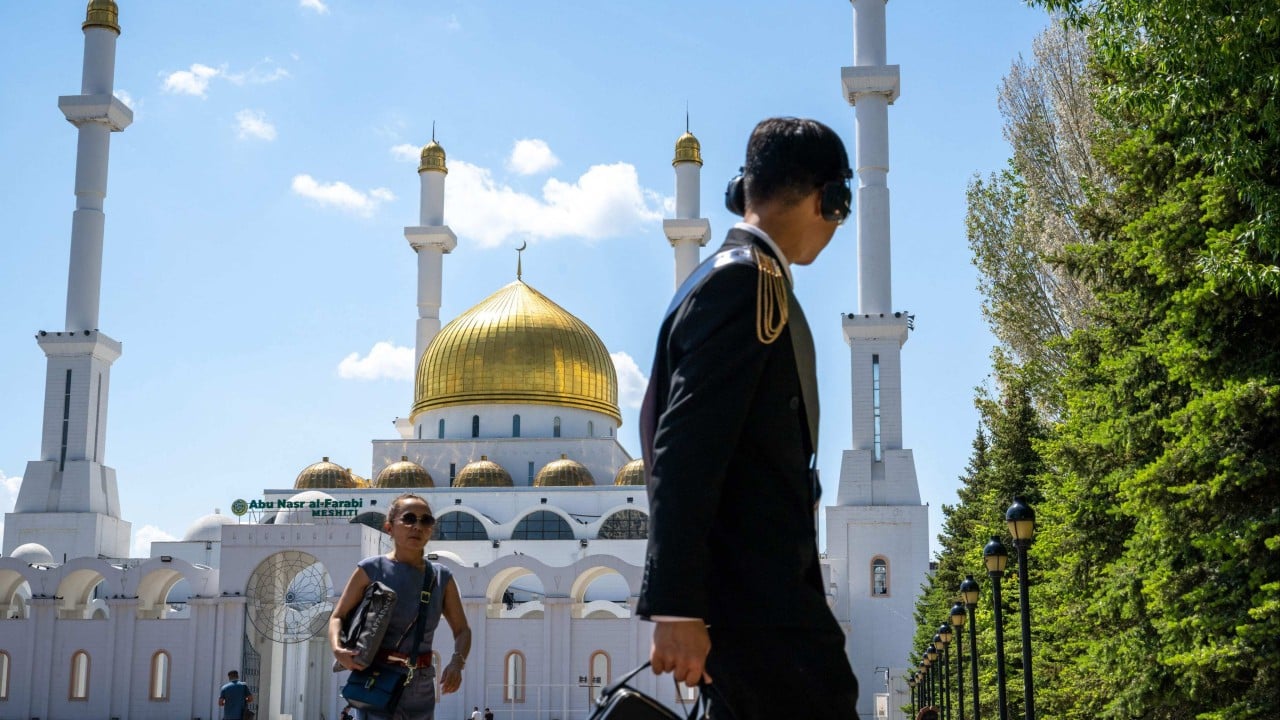
That changing balance was on display at last year’s China-Central Asia summit in Astana. Bringing together President Xi Jinping and the leaders of all five Central Asian republics, it reflected both China’s growing confidence and the region’s rising strategic importance. The meeting also showed Beijing’s determination to directly engage Central Asia beyond Russian-led institutions. While much Western commentary portrayed this engagement as another step in China’s expanding influence, the reality is more nuanced.
View original source — South China Morning Post ↗
Related stories

ESPN
SportsJul 1, 2026 · 1 min
Pulisic returns to USMNT lineup to face Bosnia
ESPN

The Punch
NewsJul 1, 2026 · 1 min
Kwara gov assures corps members of security, urges patriotism
The Punch

ESPN
SportsJul 1, 2026 · 1 min
Celtics sending Brown to 76ers, sources say
ESPN
The Punch
NewsJul 1, 2026 · 1 min
APC secretary gives N66m grants to 332 party members in Osun
The Punch