Indian Express
Indian Express··4 min read
Vehicle, construction curbs, work from home: Delhi moves to combat winter haze
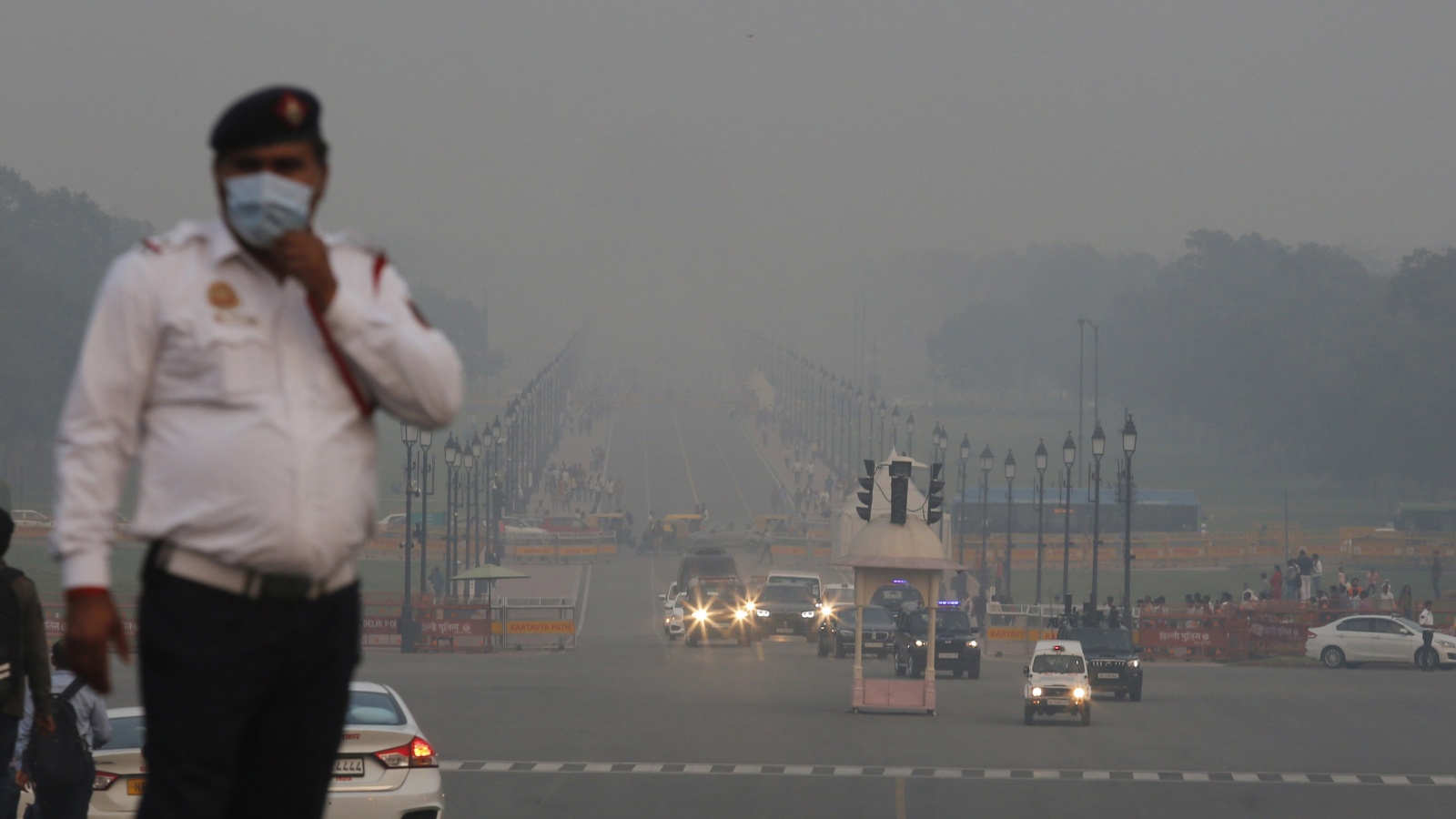
In a move to combat air pollution during the winter months, the Delhi government has notified a series of restrictions that will come into force from November 1 to February 28 every year — from curbs on vehicles and construction activities, to staggered office timings and work from home.
Until now, the practice was to impose various stages of the Graded Response Action Plan (GRAP), depending on the air quality index (AQI), during these months. The implementation of GRAP — a framework mechanism under which the governments in Delhi and the National Capital Region (NCR) must take specific sets of actions — is overseen by the Commission for Air Quality Management (CAQM).
But with the new restrictions, notified on June 23 and made public on Wednesday, many of the measures will mandatorily come into force during this period. These restrictions are set to operate alongside GRAP.
This could tackle two key concerns. The move seeks to reduce disruptions to workplaces, educational institutions and transport through advance planning while addressing long-standing criticism that pollution-control restrictions under GRAP are largely reactive as they are implemented as air quality deteriorates.
The notification said the framework was based on an analysis of air quality trends over the past three winter seasons, which showed that Delhi’s air quality consistently deteriorated between November 1 and February 15. During these months in 2023-24, 2024-25, and 2025-26, the city’s median AQI ranged between 312 and 342 (‘very poor’), while the peak AQI ranged between 461 and 494 (‘severe+’).
According to the new restrictions, motor vehicles registered outside Delhi and below BS-VI emission standards will not be allowed to ply in the national capital from November 1 to January 31 every year. This will not apply to CNG and electric vehicles, emergency services such as ambulances, fire tenders and police vehicles, and other categories specifically exempted by the environment department.
“All motor vehicles registered outside the National Capital Territory of Delhi and below BS-VI emission standards shall not be permitted to ply in Delhi. Transport Department, GNCTD, Municipal Corporation of Delhi and Delhi Traffic Police shall ensure strict compliance with the direction,” says the notification.
All petrol, diesel and CNG/LPG retail outlets across Delhi will supply fuel only on production of a valid Pollution Under Control Certificate (PUCC) throughout the year.
To discourage the use of private vehicles, parking charges at authorised parking sites will be doubled from November 1 to February 28. Parking facilities owned and managed by the Delhi Metro Rail Corporation have been exempted.
Measures such as staggered office timings and work from home have also been taken to reduce traffic congestion. From November 1 to February 28, offices under the Municipal Corporation of Delhi (MCD) will function from 8.30 am to 5 pm, while Delhi government offices will operate from 10 am to 6.30 pm.
Story continues below this ad
From November 1 to January 31, Delhi government and private offices will function with no more than 50 per cent physical staff attendance, while the remaining employees will work from home. Essential and emergency services, including hospitals, public transport, power, water supply, sanitation, disaster management and pollution-control agencies, have been exempted.
“All private entities are to… implement staggered working hours, ensure strict compliance with work-from-home norms, minimise vehicular movement associated with office commute by using methods like car-pooling, ride-sharing, common bus, promoting public transport etc,” says the notification.
Also, from November 1 to January 31, there will be a ban on dust-generating demolition and open civil construction activities, except for essential public infrastructure projects. A complete ban on construction and demolition activities, barring urgent government projects and emergency works, will remain in force from December 10 to January 20.
During the same period, vehicles carrying construction material such as sand, stone, bricks, cement and debris will not be allowed to enter Delhi, except those engaged in projects of national importance, essential public infrastructure, emergency works and other exempted categories.
Story continues below this ad
The notification also mandates anti-smog guns or mist systems for large commercial buildings and construction sites above specified sizes.
To tackle open burning, the notification makes resident welfare associations, housing societies, institutions, contractors and establishments responsible for preventing burning of waste, biomass, leaves, garbage, plastic and other materials within areas under their control.
Typically, under GRAP Stage I, when AQI ranges between 201-300 (termed as ‘poor’), measures taken include intensified enforcement of dust-control measures, stricter checks on vehicular emissions, enhanced parking charges and greater use of public transport.
Stage II (‘very poor’, AQI 301-400) adds restrictions on diesel generators and increases road sweeping and water sprinkling. Stage III (‘severe’, AQI 401-450) imposes a ban on non-essential construction and demolition activities, restricts plying of certain categories of polluting vehicles and encourages work-from-home measures.
Story continues below this ad
Stage IV (‘severe+’, AQI above 450) brings the strictest curbs, including a ban on truck entry except essential services, closure of schools, suspension of non-essential construction, and restrictions on the movement of four-wheelers under the odd-even scheme, if notified.
Key measures
Fuel only to vehicles with valid PUCC through the year.
Entry of non-Delhi registered vehicles below BS-VI barred from Nov 1-Jan 31.
50% physical attendance in govt, pvt offices from Nov 1-Jan 31.
Ban on most demolition, dust-generating construction work from Nov 1-Jan 31.
Complete ban on construction, demolition from Dec 10-Jan 20, barring urgent govt projects.
Anti-smog guns/mist systems mandatory for commercial buildings exceeding 3,000 sq m.
RWAs, housing societies, institutions, contractors responsible for preventing open burning of waste, leaves, biomass and garbage.
View original source — Indian Express ↗
Related stories

ESPN
SportsJul 2, 2026 · 1 min
Balogun red-carded in USMNT clash with Bosnia
ESPN

ESPN
SportsJul 2, 2026 · 1 min
Cup champ Andersen, Oilers agree on 1-year pact
ESPN

Japan Times
BusinessJul 2, 2026 · 1 min
Thailand gets serious about chasing high-spending tourists
Japan Times

Japan Times
BusinessJul 2, 2026 · 1 min
Apple seeks to buy Chinese-made memory chips by lobbying U.S.
Japan Times