Indian Express
He gave up salt but still had high BP: What was the hidden sodium trap?
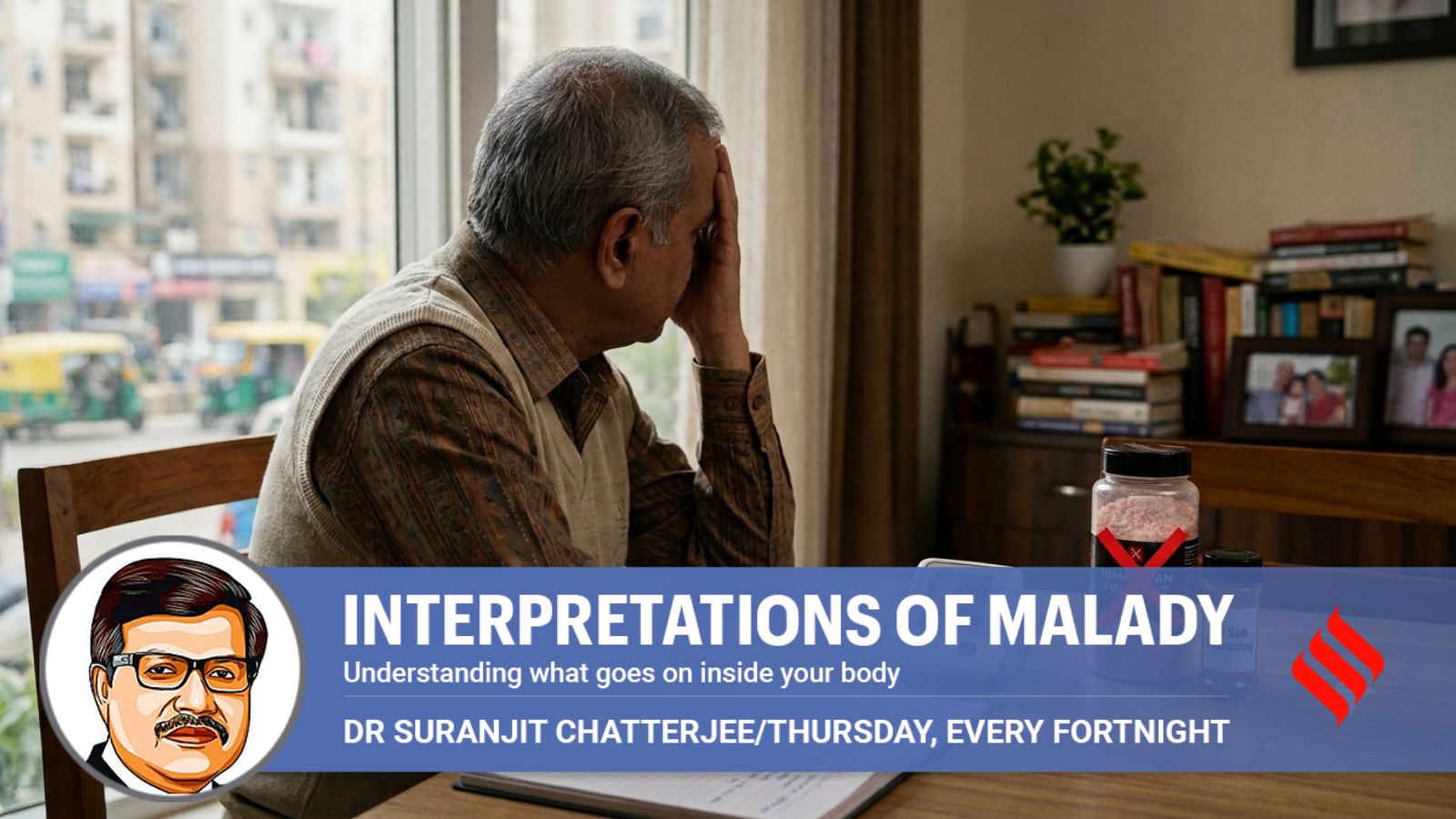
A 45-year-old gentleman with hypertension came to my clinic frustrated that despite taking his medication regularly, his blood pressure remained higher than expected. “I don’t understand it, doctor,” he said. “I’ve completely stopped adding extra salt to my food.”
As we spoke about his daily routine, the picture became clearer. His breakfast often included packaged cereal, lunch was usually ordered from a restaurant, evenings meant a packet of chips, and dinner frequently consisted of instant soup. Although he had given up the salt shaker, he was unknowingly consuming large amounts of sodium throughout the day.
Many people believe that avoiding added table salt automatically means they are following a low-sodium diet. In reality, most of the sodium we consume comes not from the salt we sprinkle on our meals, but from packaged and processed foods. Ready-to-eat snacks, restaurant meals, breads, sauces, pickles, processed meats, instant noodles, cheese spreads, breakfast cereals and many convenience foods can all contain surprisingly high amounts of sodium. Many of these foods don’t even taste particularly salty, making excess sodium easy to overlook.
For people living with hypertension, this hidden sodium can make blood pressure much harder to control. Even those taking medication may struggle to achieve their target blood pressure if their daily sodium intake remains high. That’s why understanding where sodium comes from is just as important as remembering to take prescribed medicines.
Why does sodium matter?
Sodium is an essential mineral. It helps regulate fluid balance, supports muscle contraction and enables normal nerve function. The problem isn’t sodium itself; it’s consuming more than the body needs. When we consume excess sodium, the body retains water to maintain the right balance of fluids. This increases the volume of blood circulating through the blood vessels, forcing the heart to work harder and raising blood pressure. Over time, persistently elevated blood pressure damages the heart, brain, kidneys and blood vessels, significantly increasing the risk of heart attack, stroke, heart failure and kidney disease.
What reducing sodium does to BP
Reducing sodium intake typically lowers systolic blood pressure by about 5–6 mmHg and diastolic blood pressure by about 2–3 mmHg. For people with normal blood pressure, the reduction is smaller but still meaningful — about 2–3 mmHg systolic and 1 mmHg diastolic. One of the strongest pieces of evidence comes from the DASH-sodium trial, which showed that reducing sodium from a high intake to an intermediate intake lowered systolic blood pressure by around 2 mmHg. Reducing it further to a low intake produced an additional 4–5 mmHg reduction.
When a low-sodium diet was combined with the DASH eating pattern, the blood pressure reduction was even greater, especially in people with hypertension.
Story continues below this ad
Does lowering blood pressure by a few points really make a difference?
Many people dismiss a reduction of just two or three points in BP as insignificant. But even modest reductions in BP translate into meaningful reductions in the long-term risk of heart attack and stroke. Over the years, those seemingly small improvements reduce the cumulative strain on the heart and blood vessels and help preserve cardiovascular health.
When combined with regular physical activity, maintaining a healthy weight, eating a diet rich in fruits and vegetables, avoiding tobacco and managing stress, reducing sodium intake becomes one of the simplest and most effective ways to improve long-term heart health.
Learn to read food labels
Instead of looking only for terms like “low-fat” or “healthy,” turn the package over and check the sodium content per serving. Equally important is the serving size — a single packet often contains two or more servings, meaning you may consume twice the sodium you initially estimated.
For most adults, the recommended daily sodium intake is no more than 2,300 mg. People with hypertension or those at higher cardiovascular risk may benefit from limiting intake to around 1,500 mg daily, depending on their doctor’s advice. A useful rule of thumb is to aim for roughly 500-600 mg of sodium per meal. If one packaged food already contains that much sodium, remember it is only one part of your meal. Rotis, curries, accompaniments, snacks and beverages can quickly push your daily intake much higher.
Story continues below this ad
Think about sodium across the entire day
Managing sodium isn’t about eliminating salt altogether. It’s about understanding where it comes from and planning your intake throughout the day. Preparing more meals at home gives you greater control over how much salt goes into your food. Choosing fresh, minimally processed ingredients also helps naturally reduce sodium intake.
Fortunately, reducing salt doesn’t mean sacrificing flavour. Herbs, spices, garlic, ginger, lemon and fresh herbs can add depth and taste while keeping sodium in check.
Balance sodium with potassium
Another important piece of the puzzle is potassium.
Potassium helps offset some of sodium’s effects by promoting healthy blood vessel function and supporting the body’s ability to regulate fluid balance. Including potassium-rich foods such as bananas, oranges, spinach, tomatoes, sweet potatoes, beans, lentils and other fresh fruits and vegetables can support healthy blood pressure. Coconut water can also be a source of potassium for many people.
Story continues below this ad
However, individuals with kidney disease or those taking certain medications should speak with their doctor before deliberately increasing potassium intake, as excessive potassium can also be harmful in these situations.
Managing sodium isn’t about giving up salt or making food bland. It’s about becoming aware of where sodium hides, making informed food choices and looking at your eating pattern as a whole rather than focusing only on the salt shaker.
(Dr Chatterjee is internal medicine specialist at Indraprastha Apollo Hospitals, New Delhi)
View original source — Indian Express ↗
Related stories

The Punch
TechnologyJul 2, 2026 · 1 min
TikTok settles with US teenager ahead of social media addiction trial
The Punch

TechRadar
TechnologyJul 2, 2026 · 1 min
BookTok is obsessed with this Amazon reading chair—and it pairs perfectly with this Kindle Colorsoft early Prime Day…
TechRadar
The Guardian
TechnologyJul 2, 2026 · 1 min
EU-approved pesticide found to have potential effects on brain development
The Guardian

The Guardian
TechnologyJul 2, 2026 · 1 min
How Bolivia’s breakthrough in jaguar rehabilitation could bring the big cat back from the brink
The Guardian