Times of India
Times of India··3 min read
Indian exporters see more enquiries from US, but not many orders - here’s why
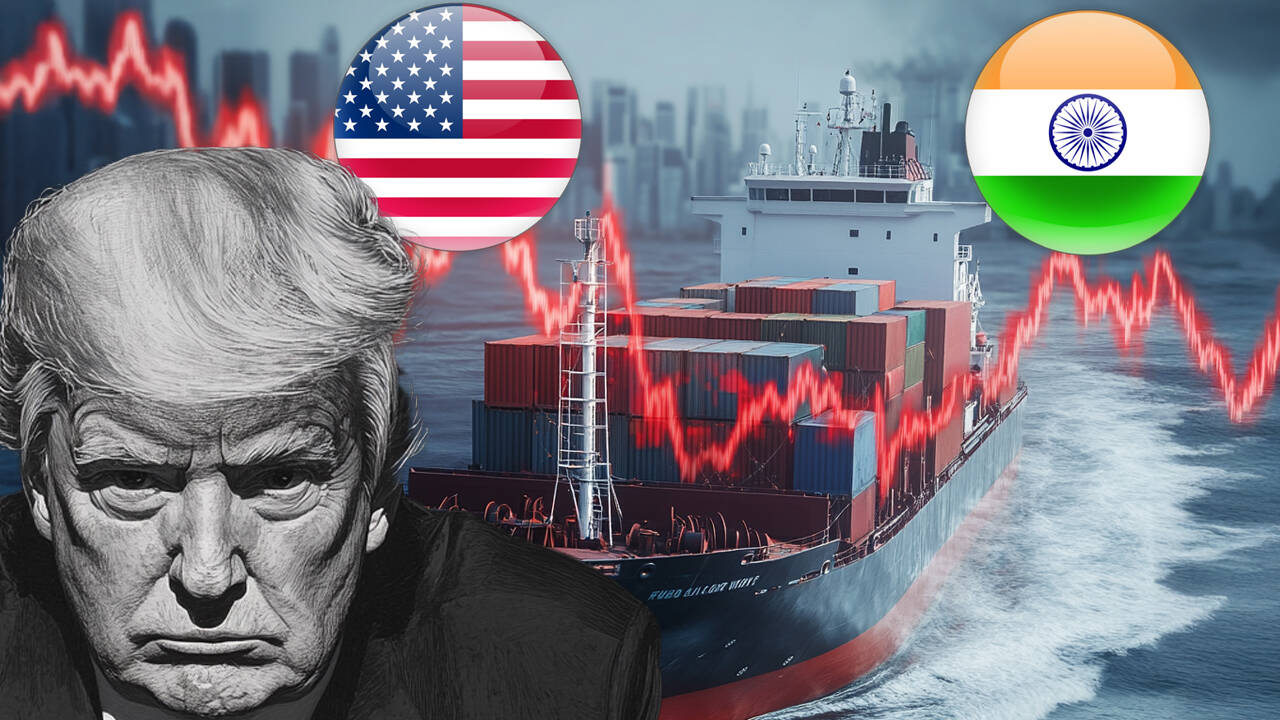
Even as India and the US continue negotiations on a bilateral trade agreement, Washington has proposed an additional 12.5% tariff on imports. (AI image)
Indian exporters are receiving increased queries from the US but it is not translating into orders as uncertainty on Donald Trump administration’s tariff policies continues. As the July 24 deadline for the expiry of the United States' 10% tariffs draws closer, exporters of chemicals, textiles, carpets and leather products say enquiries from American buyers have picked up compared with the past few months.However, these enquiries have yet to translate into confirmed orders, with uncertainty surrounding potential Section 301 tariffs and the unpredictable nature of US trade policy keeping buyers cautious about placing large orders.
During 2025-26, the United States remained India's second-largest trading partner, with merchandise exports to the country rising 0.92% year-on-year to $87.3 billion.
Section 301 tariff outcome weighs
The US Supreme Court struck down the tariffs imposed under the International Economic Emergency Powers Act (IEEPA) in February, prompting the Trump administration to introduce a 10% universal tariff, which is set to lapse on July 24.
Earlier, under the IEEPA framework, the US had levied a 50% tariff on Indian imports, with half of that amount imposed as a penalty for India's purchases of Russian crude oil.Even as India and the US continue negotiations on a bilateral trade agreement, Washington has proposed an additional 12.5% tariff on imports from 54 countries, including India, alleging inadequate action to curb imports of goods produced using forced labour in third countries.
Section 301 explained
The US has also proposed fresh duties on most Indian products under Section 301 of the US Trade Act of 1974 as part of its forced labour investigation, while a separate inquiry into excess industrial capacity is also underway. Hearings in the second investigation are scheduled for July 7."There is still uncertainty because the US could impose Section 301 tariffs. That remains a key concern," Ajay Sahai, Director General of the Federation of Indian Export Organisations told ET.Handicraft exporters also said buyer interest has improved, although confirmed orders have not yet followed."The situation has improved compared with last month and is no longer as challenging. Business activity is gradually picking up, and we are seeing an increase in enquiries," said Sharad Kumar Saraf, Chairman of Technocraft Industries."Although there are encouraging signs in the global market, uncertainty surrounding US policy continues to be a major concern.
Demand is gradually improving and, if the conflict comes to an end and the US market regains stability, business prospects will improve further," said Mahavir Pratap Sharma, founder of Jaipur-based hand-knotted woollen carpet exporter Oscar Expo Design.Engineering Export Promotion Council Chairman Pankaj Chadha said the July 24 deadline is unlikely to affect engineering exporters, as their products are already covered under the US Section 232 tariff regime.
India-US trade deal status
Last week Commerce Minister Piyush Goyal said that India will not sign the proposed bilateral trade agreement with the United States until a framework is in place that provides Indian exports with a tariff advantage over competing nations.According to Reuters, Goyal said the ongoing discussions with Washington are now centred on developing a framework that ensures India enjoys a competitive tariff edge over rival exporting countries."We cannot move ahead with a trade agreement with the US until that framework providing a comparative advantage is finalised," Goyal said, adding that India and the United States are "very close" to concluding the proposed trade pact.He noted that both countries had agreed on the broad contours of the agreement on February 6, following which negotiating teams have been working to finalise the detailed provisions."Until the framework that gives India this competitive advantage is put in place, we cannot bring the US trade deal into effect. I don't think I can be more transparent than this. The discussions are essentially about how the US can identify the appropriate legal mechanisms and policy tools to provide India with that advantage over its competitors," Goyal said.
View original source — Times of India ↗
Related stories

The Punch
PoliticsJul 2, 2026 · 1 min
Morning recap: APC, INEC face Senate list showdown, presidency hit by fake agency scandal, CBN revokes 46 bank…
The Punch
The Punch
TechnologyJul 2, 2026 · 1 min
Russian overnight drone attacks kill at least 13 in Ukraine
The Punch
The Punch
TechnologyJul 2, 2026 · 1 min
India asks Meta to hold WhatsApp username rollout over fraud fears
The Punch

ESPN
SportsJul 2, 2026 · 1 min
Transfer rumors, news: AC Milan tracking Liverpool...
ESPN