Indian Express
Indian Express··3 min read
NTA should get statutory status, says parliamentary panel; flags CBT challenges for marginalised students
4 min readNew DelhiUpdated: Jul 2, 2026 11:58 AM IST
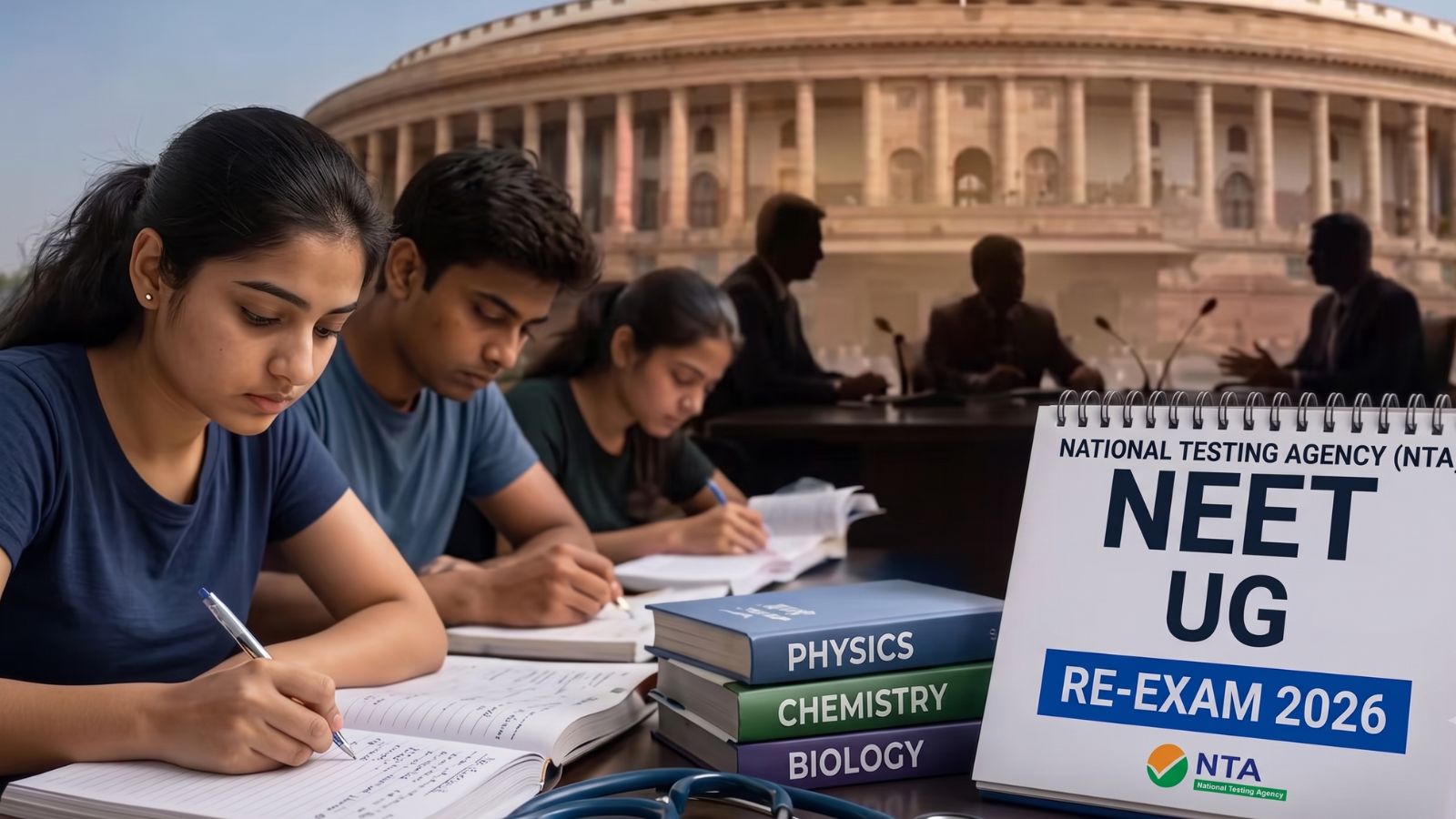
NTA is thinking to conduct NEET UG in CBT mode. (Image generated by AI)
Members of a parliamentary standing committee on Wednesday pushed for granting statutory status to the National Testing Agency (NTA), arguing that the examination body needs stronger legal powers and institutional independence to single-handedly manage large-scale tests such as the NEET-UG.
Statutory status refers to an organisation being established through an Act of Parliament, giving it a legal mandate, defined powers, autonomy, and accountability structures that are far more robust than those available to bodies registered under the Societies Registration Act. Currently, the NTA operates as an autonomous organisation under the Societies Registration Act, 1860 — a framework that, critics argue, does not vest it with adequate independent authority to manage the scale and sensitivity of national examinations it conducts.
The Parliamentary Committee on Education, Women, Children, Youth and Sports — now headed by Congress member Mukul Wasnik — convened its first meeting under his chairmanship to examine the conduct of the NEET-UG re-examination and explore what structural reforms the NTA requires going forward.
Read | The proposed blueprint to fix NEET UG
Three senior officials appeared before the panel: R Radhakrishnan, former ISRO chairman and head of the government-appointed high-powered committee on examination reforms; Abhishek Singh, Director General of NTA; and Vineet Joshi, Secretary, Ministry of Higher Education. Radhakrishnan briefed the committee on the reforms his panel has recommended and confirmed that these are being implemented in a phased manner, though no specific timeline was provided.
The Ministry of Education established the NTA as an independent, autonomous, and self-sustained testing organisation under the Societies Registration Act (1860). While this gives it functional autonomy, it does not carry the weight of a statutory mandate.
Panel members argued that the NEET UG re-examination’s successful conduct was only possible because the entire government mobilised behind it — from the Prime Minister’s Office down to ground-level officials. With the NTA expected to manage similar high-stakes examinations independently in future, members said the agency needs the legal authority and institutional muscle that only statutory status can provide.
Also Read | NEET was supposed to be leak-proof in 2026. Here’s how the system built to protect the exam failed
Story continues below this ad
Moreover, the panel members expressed concerns over images of students being denied entry at examination centres for arriving late. They urged NTA to take remedial steps to ensure such situations are handled with greater sensitivity and process flexibility.
With NTA moving toward a Computer-Based Testing (CBT) format for NEET UG from 2027, members raised concerns about the readiness and access challenges this poses for students from marginalised sections of society — those who may have little to no prior experience with computer-based assessments. Members asked that the interests of these groups be central to any format transition.
Some members asked whether NEET-UG could be conducted in a graded format — similar to how the UPSC conducts the Civil Services Examination across stages — to reduce the pressure on a single high-stakes sitting and allow a more measured evaluation process.
A few members questioned why nursing and related examinations are not conducted separately, which would help reduce the total number of examinees in any single sitting and ease logistics.
Story continues below this ad
Also Read | Anatomy of a NEET leak: A paid WhatsApp group, a whistleblower under cloud, and a ‘guess paper’ that spread like wildfire
The NEET-UG 2026 examination was originally held on May 3 but was subsequently cancelled by the government following widespread reports of a paper leak. The re-examination was conducted on June 21 and is widely reported to have been conducted smoothly. The Central Bureau of Investigation (CBI) is currently probing the original paper leak.
The Parliamentary Committee had earlier summoned top officials from the Ministries of Higher Education and Health, the NTA, and the National Medical Commission (NMC) in connection with the paper leak case, as well as the CBSE’s onscreen marking system.
View original source — Indian Express ↗
Related stories

The Punch
PoliticsJul 2, 2026 · 1 min
Morning recap: APC, INEC face Senate list showdown, presidency hit by fake agency scandal, CBN revokes 46 bank…
The Punch
The Punch
TechnologyJul 2, 2026 · 1 min
Russian overnight drone attacks kill at least 13 in Ukraine
The Punch
The Punch
TechnologyJul 2, 2026 · 1 min
India asks Meta to hold WhatsApp username rollout over fraud fears
The Punch

ESPN
SportsJul 2, 2026 · 1 min
Transfer rumors, news: AC Milan tracking Liverpool...
ESPN