
Daily Trust
It began as a slow burn, a simmering resentment that has now erupted into a continental conflagration
It began as a slow burn, a simmering resentment that has now erupted into a continental conflagration. The tragedy is no longer just the xenophobic violence in South Africa, but the subsequent outpouring of schadenfreude from the rest of Africa. When South Africa lost its match against Mexico in the ongoing World Cup, social media exploded with glee. Football fans across the continent actively cheered for their opponents in every subsequent match. The irony is palpable—a nation that once symbolised the pinnacle of African liberation is now the continent’s cautionary tale of division.
Looking at this situation through a dispassionate lens reveals a dance that requires two partners. The narrative of the “illegal immigrant” has become a convenient scapegoat for South Africa’s deep-seated economic woes. With unemployment hovering near 33 per cent and youth unemployment exceeding 45 per cent, it is easy to understand the panic. Illegal immigrants from Africa are accused of stealing jobs and overburdening public services—a perception that has fuelled the rise of vigilante groups like Operation Dudula.
This phenomenon is not uniquely South African, however. Nationalism and protectionism are global trends, and many African countries have also expelled undocumented migrants in past. In Nigeria, it birthed the urban legend that gave the Ghana-must-go bags its name. The South African government’s own framing of the issue as mere “crime” rather than deep-seated xenophobia has also contributed, and has been widely criticised as denialism.
One thing that particularly bothers me is the argument that South Africans owe the continent for their freedom. While emotionally resonant, it veers dangerously close to emotional blackmail. Gratitude cannot be legislated, and the material anxieties of a struggling population cannot be soothed by appeals to past solidarity.
The reaction from the continent—the social media vitriol and the jubilation at South Africa’s defeats—speaks to a profound sense of betrayal. After all, African nations stood with South Africa during apartheid, and many not only expect but demand reciprocated warmth.
Yet, it is intellectually dishonest to ignore the structural inequality that South Africans face daily. The overwhelming majority of private land is still owned by the white minority. A 2021 World Bank study found that the richest 10 per cent of South Africans—predominantly white—own more than 85 per cent of the country’s wealth. Black South Africans, despite political emancipation, remain economically disenfranchised. Critics argue that South Africans direct their anger at vulnerable African migrants instead of confronting the structural biases left by apartheid. This is the uncomfortable truth… South Africans are choosing a soft target over a hard conversation.
So, this is where the wisdom of our forebears must guide us. Kwame Nkrumah envisioned an Africa united, not just in geography, but in purpose. Julius Nyerere stressed umoja (unity) as the bedrock of African progress. They understood that our strength lies in our solidarity; our weakness, in our division.
When Africans turn on each other, our true enemies win. The colonial legacy of divide and rule remains effective precisely because we continue to fracture along arbitrary borders and shallow identity. The problem of illegal immigration is a symptom of our failure to create sustainable economies across the continent—a failure that leaves South Africa as a beacon, attracting those who have been left behind by their own governments.
It takes two to tango. The way I see it, we must collectively insist on emotional intelligence and maturity. South Africa must channel its frustrations toward structural reform, recognising that the foreign national in the corner shop is not the cause of its crisis. The rest of Africa must understand that the South African’s fear—however misplaced—is born of a legitimate struggle for survival in an economy still twisted by the legacy of apartheid. The law must remain sacrosanct whether in Nigeria or South Africa. Africans cannot and should not expect South Africa to bend its laws to accommodate them simply because we stood with South Africans in their time of need. Otherwise, the bond we claim to share is not based on sincere brotherhood but transactional obligation. We either advance together in lockstep or we drown together. The path to a prosperous Africa is paved with understanding, not anger.
It is time to retire the narratives of blame and obligation to embrace the challenge of collective upliftment. The music plays on; it is time we learned to tango together.
UPDATE NEWS:
Nigerians can now invest ₦2.5 million on premium domains and profit about ₦17-₦25 million. All earnings paid in US Dollars. Rather than wonder,
click here to find out how it works.
View original source — Daily Trust ↗
Related stories

ESPN
SportsJul 2, 2026 · 1 min
Transfer rumors, news: AC Milan tracking Liverpool...
ESPN
Sky Sports
SportsJul 2, 2026 · 1 min
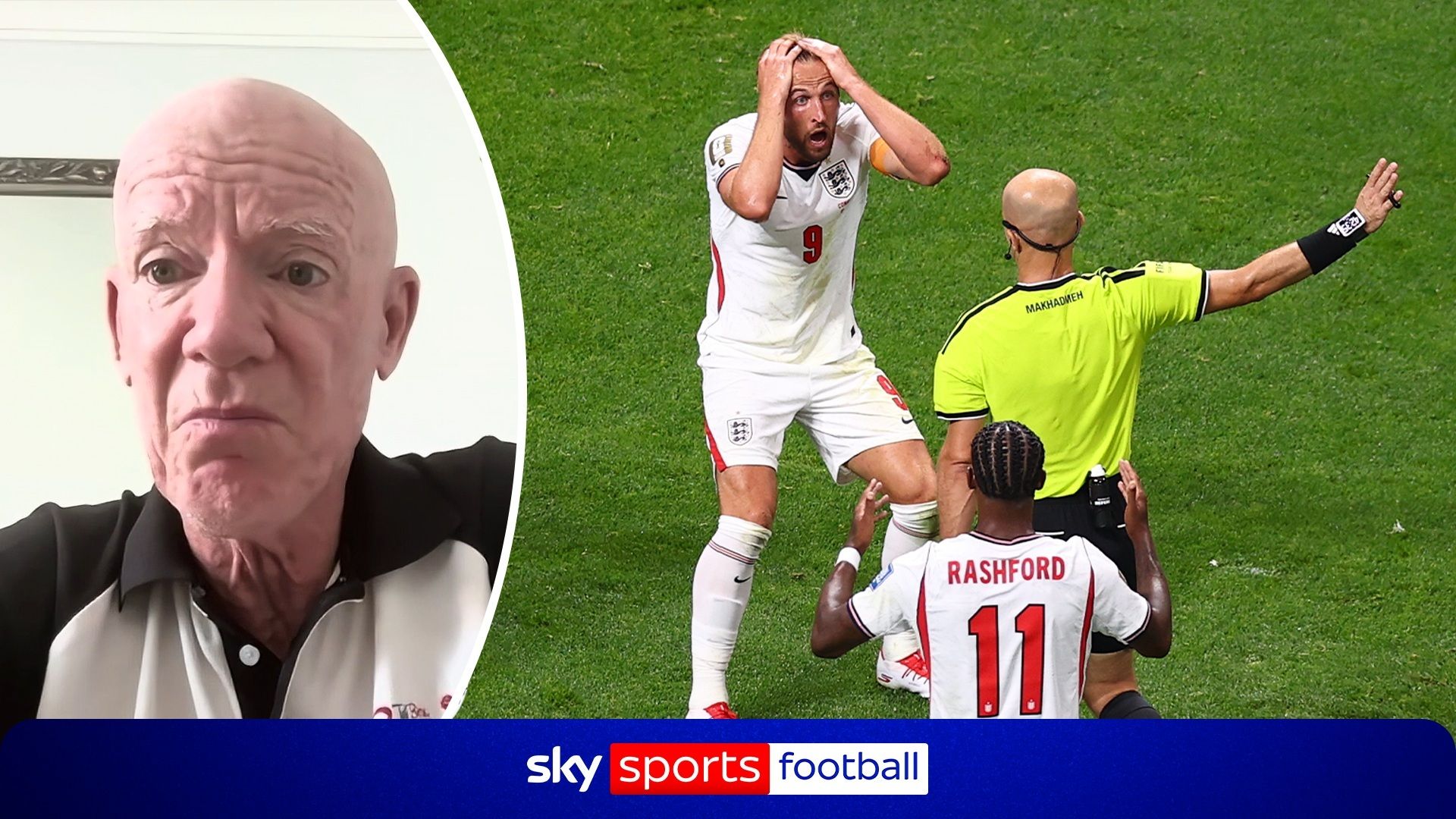
'I still can't understand why it wasn't given' | Should Kane have been awarded penalty?
Sky Sports

AllAfrica
SportsJul 2, 2026 · 1 min
Algeria: Algeria Votes in Parliamentary Elections Amid Public Apathy and Football Fever
AllAfrica

AllAfrica
SportsJul 2, 2026 · 1 min
Senegal: Senegal Suffer Cruel World Cup Exit After Belgium's Late Comeback
AllAfrica