Indian Express
Get calcium from food first, not supps: Endo Society issues new guidelines
At 56, Meena Sharma had done what many health-conscious Indians do. After entering menopause, she began taking an over-the-counter calcium tablet every day because friends told her it would keep her bones strong. She never discussed it with her doctor. Her diet already included two glasses of milk daily, and she occasionally took vitamin D injections recommended by a local pharmacy. Months later, when she visited a doctor for persistent constipation and a review of her bone health, she was surprised to learn that she did not need calcium supplements at all. Her diet was enough for her needs.
It reflects a common reality across India, where many people either consume too little calcium or take supplements without knowing whether they actually need them. A new consensus statement from the Endocrine Society of India (ESI) seeks to bring greater clarity, urging a simple principle: food first, supplements only when medically indicated.
Why food before pills
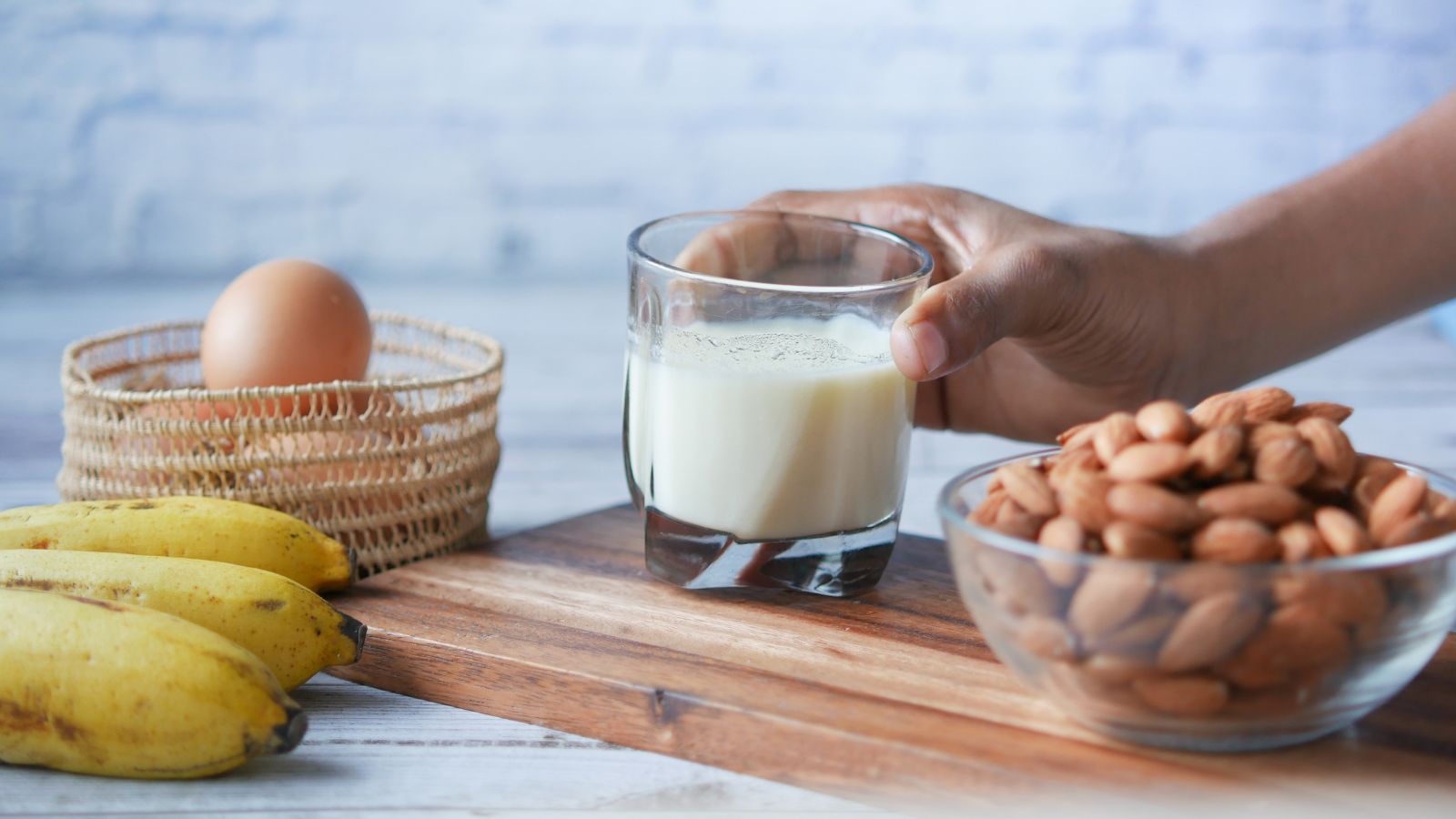
The strongest message from the guidelines is that dietary calcium, not supplements, should be the primary strategy for meeting daily requirements. Milk and dairy products remain the richest and most practical sources but the authors also highlight affordable Indian alternatives, including ragi, bajra, sesame seeds, pulses and green leafy vegetables. They note that sprouted ragi may improve calcium absorption by reducing phytates that interfere with mineral uptake.
For most healthy adults, the recommended dietary allowance remains 1,000 mg of calcium per day, with slightly higher needs during lactation.
“We recognise that dietary diversity, affordability, low dairy intake, and regional food habits make it difficult for many individuals to meet their calcium requirements through food alone. The first step should be to assess dietary calcium intake and encourage affordable, locally available calcium-rich foods. Milk and curd remain the most important sources, but ragi, sesame seeds, soy products, pulses, green leafy vegetables and small fish consumed with bones are also valuable options. When dietary intake remains inadequate despite these measures, calcium supplements have an important role,” says one of the authors, Dr Saptarshi Bhattacharya, endocrinologist at Indraprastha Apollo Hospital, New Delhi.
When are supplements necessary
The guidance does not dismiss calcium tablets. Instead, it identifies situations where supplementation is medically justified like pregnancy, breastfeeding, menopause and conditions such as osteoporosis, osteomalacia, rickets and hypoparathyroidism. People with lactose intolerance or disorders that reduce calcium absorption may also benefit from supplementation. The emphasis is on filling nutritional gaps.
Not all calcium tablets are equal
The statement also addresses an often-overlooked issue: the type of calcium supplement matters. Calcium carbonate remains the most economical and commonly prescribed preparation. It contains more elemental calcium but is best absorbed with meals. Calcium citrate, although containing less elemental calcium, is recommended for people taking acid-suppressing medications, those with reduced stomach acid, and individuals with kidney stone disease because its absorption does not depend on gastric acidity.
Story continues below this ad
The authors discourage routine use of more expensive calcium formulations that lack strong evidence of additional benefit.
Vitamin D: The missing piece
Perhaps the most important reminder is that calcium cannot work effectively without adequate vitamin D. The experts recommend correcting vitamin D deficiency alongside calcium supplementation and advise against the widespread use of activated vitamin D preparations such as calcitriol except in specific medical conditions including chronic kidney disease and hypoparathyroidism. Daily vitamin D supplementation of 1,000–2,000 IU — or equivalent monthly dosing — is considered appropriate for most adults requiring supplementation. This recommendation is relevant in India, where both calcium and vitamin D deficiencies commonly coexist.
“However, we must distinguish between nutritional vitamin D and active vitamin D analogues. Vitamin D supplements such as cholecalciferol are usually sufficient to correct deficiency and maintain adequate vitamin D status. In contrast, active forms of vitamin D, including calcitriol and alfacalcidol, have specific indications such as chronic kidney disease, hypoparathyroidism, pseudohypoparathyroidism, and rare disorders of vitamin D metabolism,” says Dr Bhattacharya.
Should we worry about the heart?
The ESI statement reviews the available evidence and concludes that calcium intake within recommended limits appears safe. While some observational studies have suggested a possible association between high-dose calcium supplements and heart attacks, randomised clinical trials have not consistently demonstrated harm. The panel advises avoiding excessive intake above 2,000 mg per day while continuing to encourage adequate dietary calcium and supplementation only when necessary.
Story continues below this ad
“Much of the concern regarding cardiovascular disease and kidney stones has arisen from studies evaluating excessive supplemental calcium or total calcium intake well above recommended levels. Clinicians should first estimate dietary calcium intake and prescribe only the additional calcium required to meet the daily allowance. Patients with a history of kidney stones should be advised to take calcium with meals, while those with chronic kidney disease or recurrent nephrolithiasis require individualized assessment,” says Dr Bhattacharya.
Kidney stones need a more nuanced approach
A common misconception is that anyone with kidney stones should avoid calcium. The new guidance challenges that belief. Maintaining recommended dietary calcium may actually reduce calcium oxalate stone formation by limiting intestinal oxalate absorption. When supplements are needed, they should ideally be taken with meals, and calcium citrate may offer additional benefits in selected patients.
More is not better
One of the clearest messages from the consensus statement is that excessive supplementation carries risks. High doses can increase gastrointestinal side effects, interfere with the absorption of medicines such as levothyroxine, iron and certain antibiotics, and may contribute to complications in susceptible individuals if consumed beyond recommended levels. The document also advises spacing calcium tablets several hours apart from these medications to avoid drug interactions.
For a country where calcium intake remains inadequate for a large proportion of the population, the answer is neither blanket supplementation nor complete avoidance. Instead, the ESI advocates personalised decisions based on age, diet, medical conditions and physiological needs.
Story continues below this ad
Public awareness regarding calcium-rich foods remains limited, and dietary counselling should become an integral part of routine primary care. “Food fortification has the potential to improve calcium intake in populations where dietary deficiency is widespread, although this requires careful data-based planning and policy support,” suggests Dr Bhattacharya.
View original source — Indian Express ↗
Related stories

The Punch
TechnologyJul 2, 2026 · 1 min
Russian overnight drone attacks kill at least 13 in Ukraine
The Punch
The Punch
TechnologyJul 2, 2026 · 1 min
India asks Meta to hold WhatsApp username rollout over fraud fears
The Punch

The Guardian
TechnologyJul 2, 2026 · 1 min
Russia ‘mounted drone surveillance of European nuclear sites over 18 months’
The Guardian

The New York Times
TechnologyJul 2, 2026 · 1 min
Russia Strikes Ukraine as Explosions Rock Capital of Kyiv
The New York Times