Indian Express
Indian Express··5 min read
Bombay High Court clears way for redevelopment of Bandra Reclamation, Adarsh Nagar layouts
4 min readMumbaiJul 2, 2026 12:27 PM IST
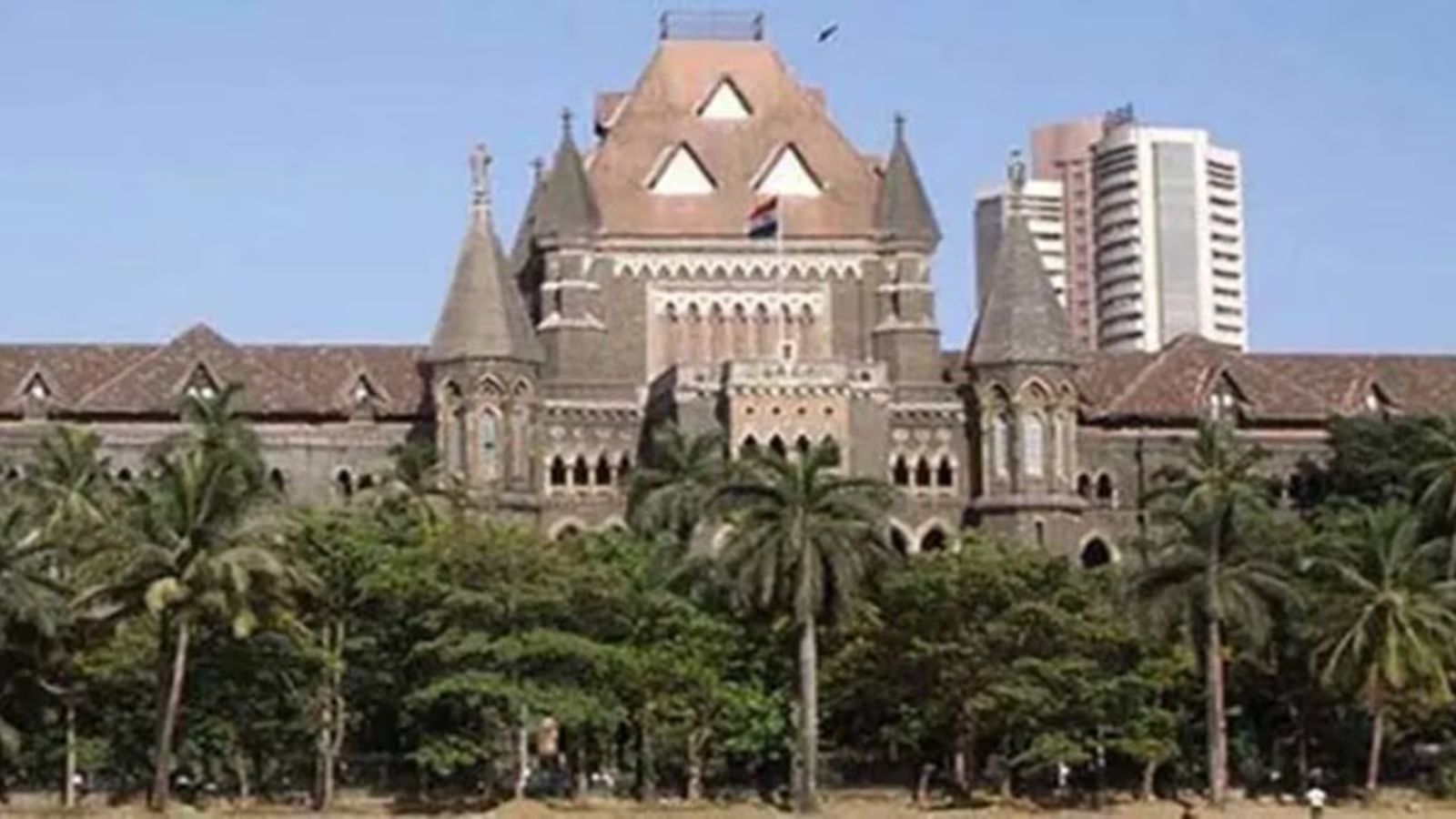
The High Court ruling has cleared the way for redevelopment of a 34.33-acre plot at Adarsh Nagar in Worli and a massive 98.27-acre area at Bandra Reclamation, which have seen little to no development over the years. (Express/File pic)
The Bombay High Court on Thursday dismissed pleas by Cooperative Housing Societies challenging the redevelopment of the city’s two biggest Maharashtra Housing and Area Development Authority (MHADA) layouts in Bandra Reclamation and Adarsh Nagar (Worli) and their tender process for appointing a Construction and Development Agency.
“We do not find any merit in these writ petitions and, recording the assurance on behalf of the respondents, these writ petitions, being devoid of any merit, are dismissed,” a bench of Justices Makarand S Karnik and Shriram M Modak held.
The High Court ruling has cleared the way for redevelopment of a 34.33-acre plot at Adarsh Nagar in Worli and a massive 98.27-acre area at Bandra Reclamation, which have seen little to no development over the years. Adani Properties has emerged as the highest bidder for the redevelopment of the two prime plots.
After the petitioners sought protection from the implementation of the verdict to approach the Supreme Court in appeal, the government lawyer assured the court that the work order will not be issued for four weeks.
In May, the High Court had refused to stay it, observing that the tender process would take some time based on the state government’s submission that redevelopment of the 50 to 60-year-old buildings was necessary to improve the living standards of the residents.
While hearing a batch of pleas by the housing societies, the bench had opined that “no prejudice would be caused to the petitioners if the tender process is allowed to proceed” and said it would conduct a final hearing on the pleas “considering the magnitude of the proposed redevelopment.”
The state, through the April 25 and December 15, 2025, Government Resolutions (GRs), had framed a policy to undertake integrated or cluster redevelopment of MHADA layouts of 20 acres or more in Greater Mumbai and suburban areas. The policy provides for redevelopment of the two layouts through a single private construction and development agency instead of multiple housing societies redeveloping their structures separately.
Story continues below this ad
The High Court was informed that the state government, through MHADA, constructed 56 colonies between 1950 and 1960 for “affordable housing” for people from the Middle Income Group (MIG) and Lower Income Group (LIG). These colonies now comprise 5,000 housing societies, some of whose structures have become dilapidated.
‘Complete breach of Article 300A’
Senior advocate Zal Andhyarujina and others, representing the petitioner housing societies, argued that the government resolutions were in “complete breach” of Article 300A of the Constitution, which protects citizens against arbitrary deprivation of their property by the state, and claimed the petitioners were “virtually being divested of their properties without following the due process of law.”
They argued that the petitioners were being “forced to be a part of the cluster development”, thereby taking away their independent redevelopment rights in violation of the statutory provisions of the Development Control and Promotion Regulations (DCPR). The pleas contended that the tender process, prescribing terms beyond the scope of the GRs, would “seriously prejudice” petitioners’ rights if not set aside.
They argued that residents presently living in sea-facing buildings at Adarsh Nagar could be rehabilitated to any other location as part of the cluster redevelopment and would be deprived of their existing area.
Story continues below this ad
They claimed the government resolutions compelled the merger of multiple societies without due statutory process, failed to protect existing rights, areas and society funds after the merger, dispensed with the requirement of consent of individual flat owners, gave a “free hand” to MHADA and the selected developer, and that there was “no element of public interest” to undertake the cluster redevelopment.
Opposing the pleas, Advocate General Milind Sathe for the Maharashtra Government and Senior Advocate Ravi Kadam for MHADA argued that the redevelopment will be in accordance with the Development Control and Promotion Regulations and applicable law. They argued that only a few of the 5,000 housing societies covered by the project have approached the Court, and quashing the tender process and Government Resolutions would affect many other societies and occupants needing redevelopment.
© The Indian Express Pvt Ltd
Omkar Gokhale is a journalist reporting for The Indian Express from Mumbai. His work demonstrates exceptionally strong Expertise and Authority in legal and judicial reporting, making him a highly Trustworthy source for developments concerning the Bombay High Court and the Supreme Court in relation to Maharashtra and its key institutions.
Expertise & Authority
Affiliation: Reports for The Indian Express, a national newspaper known for its rigorous journalistic standards, lending significant Trustworthiness to his legal coverage.
Core Authority & Specialization: Omkar Gokhale's work is almost exclusively dedicated to the complex field of legal affairs and jurisprudence, specializing in:
Bombay High Court Coverage: He provides detailed, real-time reports on the orders, observations, and decisions of the Bombay High Court's principal and regional benches. Key subjects include:
Fundamental Rights & Environment: Cases on air pollution, the right to life of residents affected by dumping sites, and judicial intervention on critical infrastructure (e.g., Ghodbunder Road potholes).
Civil & Criminal Law: Reporting on significant bail orders (e.g., Elgaar Parishad case), compensation for rail-related deaths, and disputes involving high-profile individuals (e.g., Raj Kundra and Shilpa Shetty).
Constitutional and Supreme Court Matters: Reports and analysis on key legal principles and Supreme Court warnings concerning Maharashtra, such as those related to local body elections, reservations, and the creamy layer verdict.
Governance and Institution Oversight: Covers court rulings impacting public bodies like the BMC (regularisation of illegal structures) and the State Election Commission (postponement of polls), showcasing a focus on judicial accountability.
Legal Interpretation: Reports on public speeches and observations by prominent judicial figures (e.g., former Chief Justice B. R. Gavai) on topics like free speech, gender equality, and institutional challenges.
Omkar Gokhale's consistent, focused reporting on the judiciary establishes him as a definitive and authoritative voice for legal developments originating from Mumbai and impacting the entire state of Maharashtra. ... Read More
Tags:
Bandra
Bandra Reclamation
Bombay High Court
MHADA
MHADA buildings
Mumbai
Worli
View original source — Indian Express ↗
Related stories

The Punch
NewsJul 2, 2026 · 1 min
Soldiers bust illegal arms factory, recover five AK-47 rifles in Kebbi
The Punch
The Punch
NewsJul 2, 2026 · 1 min
Gunmen attack NIPSS again, one assailant killed
The Punch
The Punch
PoliticsJul 2, 2026 · 1 min
Accept NWC’s decision on candidates, Ondo APC elders urge members
The Punch
The Punch
NewsJul 2, 2026 · 1 min
15 burnt to death, three killed in Niger communal clash
The Punch