South China Morning Post
Clogged pipeline: Many Hong Kong IPO hopefuls near application expiration
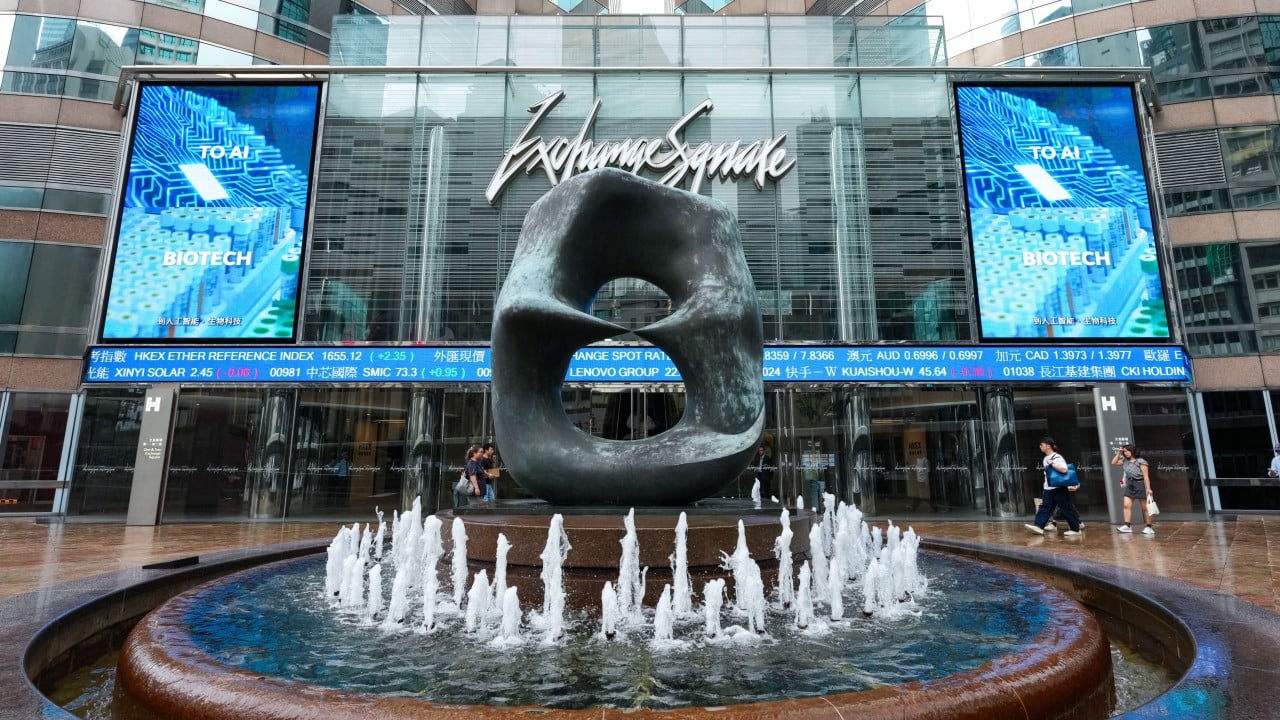
A large number of mainland Chinese companies hoping to list shares on the Hong Kong stock exchange are anxiously waiting for a nod from the mainland securities regulator, with many now at risk of having their listing applications lapse.
More than 430 companies were currently waiting in the initial public offering (IPO) pipeline, according to data from bourse operator Hong Kong Exchanges and Clearing (HKEX). More than 30, including mainland supermarket chain Qiandama and EVE Energy, a mainland-listed lithium battery maker with a market capitalisation above 140 billion yuan (US$20.6 billion), faced the six-month expiration of their applications within the next two weeks, the data showed.
The backlog in the first half of the year was the most severe since March 31, 2023, when a mechanism was put in place that requires approval from the China Securities Regulatory Commission (CSRC) before HKEX can convene a listing hearing, according to Roy Lo, managing partner of accounting and consulting firm SW Hong Kong.
“The CSRC’s approval criteria are closely tied to national policy,” he said. “As of the first of this year as an example, industries that are “going global” – those that have significant overseas investments and an urgent need for capital support, such as [firms involved in] large-scale artificial intelligence models, robotics, semiconductors and biotechnology – have found it relatively easier and faster to obtain approval.”
If the 30-plus companies nearing the six-month deadline fail to pass their listing hearings in the next two weeks, they will be forced to update their financial data to restart their applications. SW Hong Kong has seen 12 of its own clients submit Hong Kong IPO filings this year, but only two have successfully secured the coveted CSRC clearance.
However, Lo said that expiration does not equate to failure. “Many companies that have successfully gone public have had their prospectuses lapse,” he said. “As long as the company’s fundamentals have not deteriorated, the process can still move forward after updating the information.”
View original source — South China Morning Post ↗
Related stories

Rio Times
BusinessJul 2, 2026 · 1 min
Discipline Without Growth: Italy’s Meloni Paradox
Rio Times

Rio Times
BusinessJul 2, 2026 · 1 min
Brazil Maps the Açaí Genome, Betting on Its Superfood Future
Rio Times

Rio Times
BusinessJul 2, 2026 · 1 min
The Oil Dividend: How a Falling Oil Price Redraws Inflation
Rio Times
MarketWatch
BusinessJul 2, 2026 · 1 min
Warsh’s throwaway comment injects life into the debasement trade, for one day at least
MarketWatch