CNA
A decade since Duterte's deadly drug war, victims' families continue fight for justice as ICC trial nears
Asia
Human rights groups believe the true death toll could be in the tens of thousands, arguing that many killings went undocumented.
New: You can now listen to articles.
This audio is generated by an AI tool.
02 Jul 2026 04:03PM
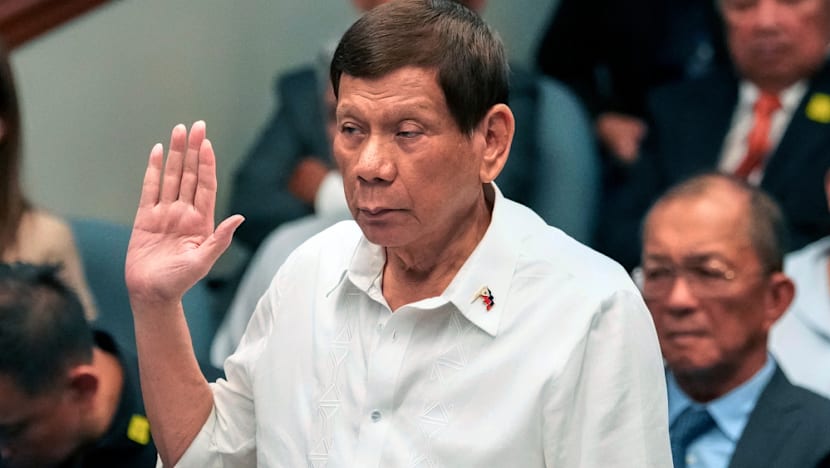
MANILA: Ten years after former Philippine President Rodrigo Duterte launched his deadly war on drugs, families of those killed say they are still waiting for justice.
Now, as Duterte prepares to face trial at the International Criminal Court (ICC) at The Hague in the Netherlands, his legacy continues to divide the Philippines.
During his 2016 presidential campaign, the tough-talking former mayor of Davao City branded himself "The Punisher", vowing to wipe out criminals and drug users.
He won the presidency by a landslide on a promise to eliminate illegal drugs and restore public safety.
On Jul 1, 2016, just a day after taking office, his administration issued a command memorandum launching a nationwide anti-drug campaign known as Project Double Barrel.
More than 6,000 people were killed in anti-drug operations during the campaign, according to the Philippine National Police.
But human rights groups believe the true death toll could be in the tens of thousands, arguing that many killings went undocumented and that the campaign disproportionately targeted the country's poorest communities.
THE FAMILIES LEFT BEHIND
On Wednesday (Jul 1), families of those killed gathered for a candlelight vigil to mark the 10th anniversary of the drug war.
Many women were left to raise their children alone after losing husbands and sons.
Marlyn Sison, whose husband was killed during the anti-drug campaign, said she struggled after his death.
“I had to do laundry and work at a junk shop to raise our children. It was very difficult to be both mother and father to three children,” she added.
Rights advocates also say at least 122 children were killed in the campaign – a figure that reflects only documented cases. Some were deliberately targeted or shot as proxies, while others became collateral damage.
For many families, the pursuit of justice has become a decade-long fight.
A DEEPLY DIVISIVE LEGACY
With support from legal professionals and rights organisations, some relatives have trained as paralegals and human rights defenders to help document cases and seek accountability.
“I wanted justice for my son, so I learned all I could about human rights,” said Nanette Castillo, whose son was killed during the drug war.
“Despite my grief, I stand here as a mother, fighting for justice.”
For families attending the candlelight vigil, Duterte's upcoming ICC trial represents a long-awaited step towards justice.
His supporters, however, see the case as politically motivated.
Duterte's anti-drug campaign ultimately led to charges before the ICC, where his trial is set to begin on Nov 30.
Despite the charges, his popularity has endured.
Millions of Filipinos continue to view him as a leader who made the country safer.
His supporters have condemned his arrest and detention as political persecution.
They continue to back his close allies, including Senator Ronald “Bato” dela Rosa – the drug war’s chief enforcer who also faces allegations of crimes against humanity – as well as Duterte's daughter, Vice President Sara Duterte.
Her political future is also under scrutiny, with her impeachment trial in the Philippine Senate set to begin next week.
Source: CNA/ca(mp)
Related stories

The Punch
SportsJul 2, 2026 · 1 min
World Cup: Senegal midfielder Gueye quits national team, blames coaching crew
The Punch
Sky Sports
SportsJul 2, 2026 · 1 min
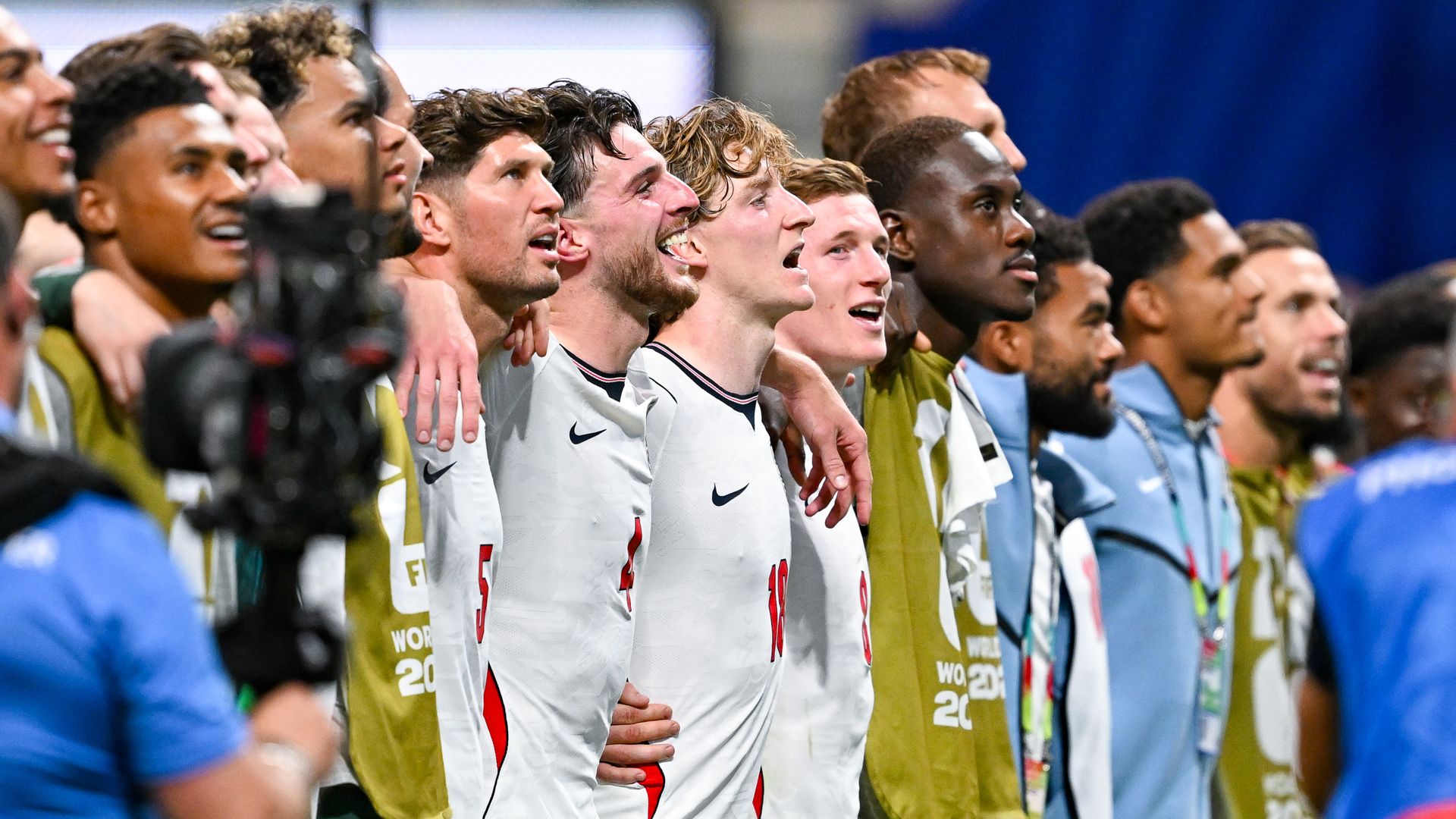
How has Wonderwall become England's World Cup soundtrack?
Sky Sports

BBC Sport
SportsJul 2, 2026 · 1 min
Leinster confirm Ireland fly-half Carbery's return
BBC Sport
The Guardian
SportsJul 2, 2026 · 1 min
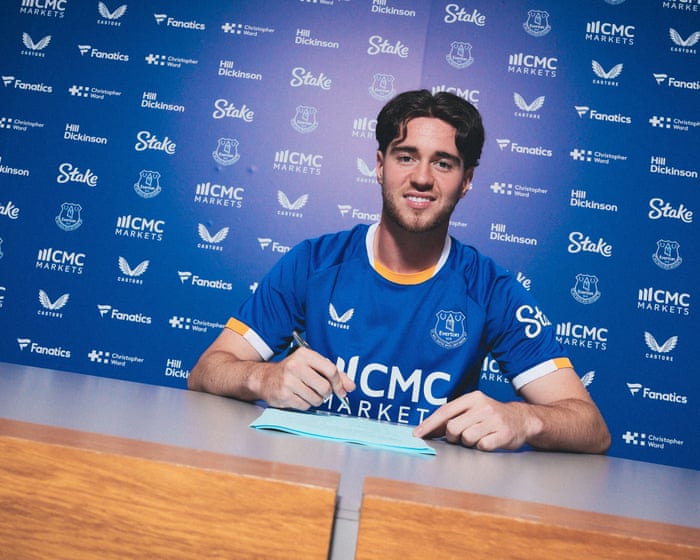
Transfer roundup: Everton clinch Hackney signing, Spurs announce Fernandes
The Guardian