Antara News
Antara News··2 min read
RI pushes ASEAN halal certification to boost regional competitiveness
Jakarta (ANTARA) - Indonesia’s Deposit Insurance Corporation (LPS) highlighted the importance of mutual recognition framework for halal certification across the Association of Southeast Asian Nations (ASEAN) member countries to streamline trade and elevate the region's competitiveness.
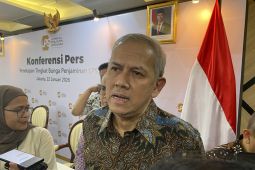
"At least, ASEAN should have a halal recognition system. So, if a product has already obtained halal certification in one member country, then it should no longer need to undergo halal testing when entering other countries in the region," Chairman of the Board of Commissioners of the LPS, Anggito Abimanyu, said in a statement here on Thursday.
Abimayu mentioned there are currently still barriers to the trade of halal products among ASEAN countries because halal certificates issued in one country are not automatically recognised by other countries.
Consequently, businesses must undergo costly and lengthy re-certification processes to market their products across borders.
Related news: Indonesia steps up push for Muslim-friendly tourism
Abimanyu explained the current re-certification mechanism inflates operational costs, disrupt marketing plans, and hampers the competitiveness of the regional halal trade, wasting ASEAN's massive potential to serve as a global hub for halal commerce.
He revealed halal certification bodies in the neighboring countries, including Singapore, Malaysia, and Thailand, have voiced similar grievances.
Currently, products certified in the countries of origin must still undergo re-verification upon entering the Indonesian market unless they are covered by an existing Mutual Recognition Agreement (MRA).
To address the issue, Abimanyu then urged Indonesian government to spearhead the establishment of a regional halal recognition framework to make export and import of halal goods significantly more efficient.
Related news: Indonesia, Poland sign halal products pact to boost global recognition
Besides fostering regional integration, he stressed the need for Indonesia to address domestic challenges in its halal ecosystem, particularly expediting domestic halal certification, which currently covers only about 30 percent of products circulating in the national market.
Abimanyu said the government must strengthen the certification governance, simplify regulatory processes, digitalise services, and deepen international cooperation.
Therefore, Indonesia will be able to evolve from being the world's largest consumer market for halal products into a leading global exporter.
"Everyone knows that our domestic halal market is the largest in the world. However, despite this vast potential, the economic benefits for Indonesia remain relatively low. Looking at our consumption-driven GDP (Gross Domestic Product), the fact that only 30 percent of products are halal-certified is a paradox," Abimanyu noted.
Related news: Indonesia readies free halal certificates for 500,000 MSMEs
Translator: Fitra Ashari, Uyu Liman
Editor: Fransiska Ninditya
Copyright © ANTARA 2026
View original source — Antara News ↗
Related stories

The Punch
SportsJul 2, 2026 · 1 min
World Cup: LeBron James praises Balogun after ‘Silencer’ celebration
The Punch
The Punch
NewsJul 2, 2026 · 1 min
Iran urges huge turnout at Khamenei’s funeral to ‘avenge’ his death
The Punch
The Punch
NewsJul 2, 2026 · 1 min
Pilot who hit Beijing tower wrote about ending life – Govt
The Punch
The Punch
NewsJul 2, 2026 · 1 min
LASEMA debunks report of another Lagos building collapse
The Punch