Indian Express
UBTech brings companion robots closer to consumers with new U1 humanoid series
4 min readNew DelhiJul 2, 2026 03:35 PM IST
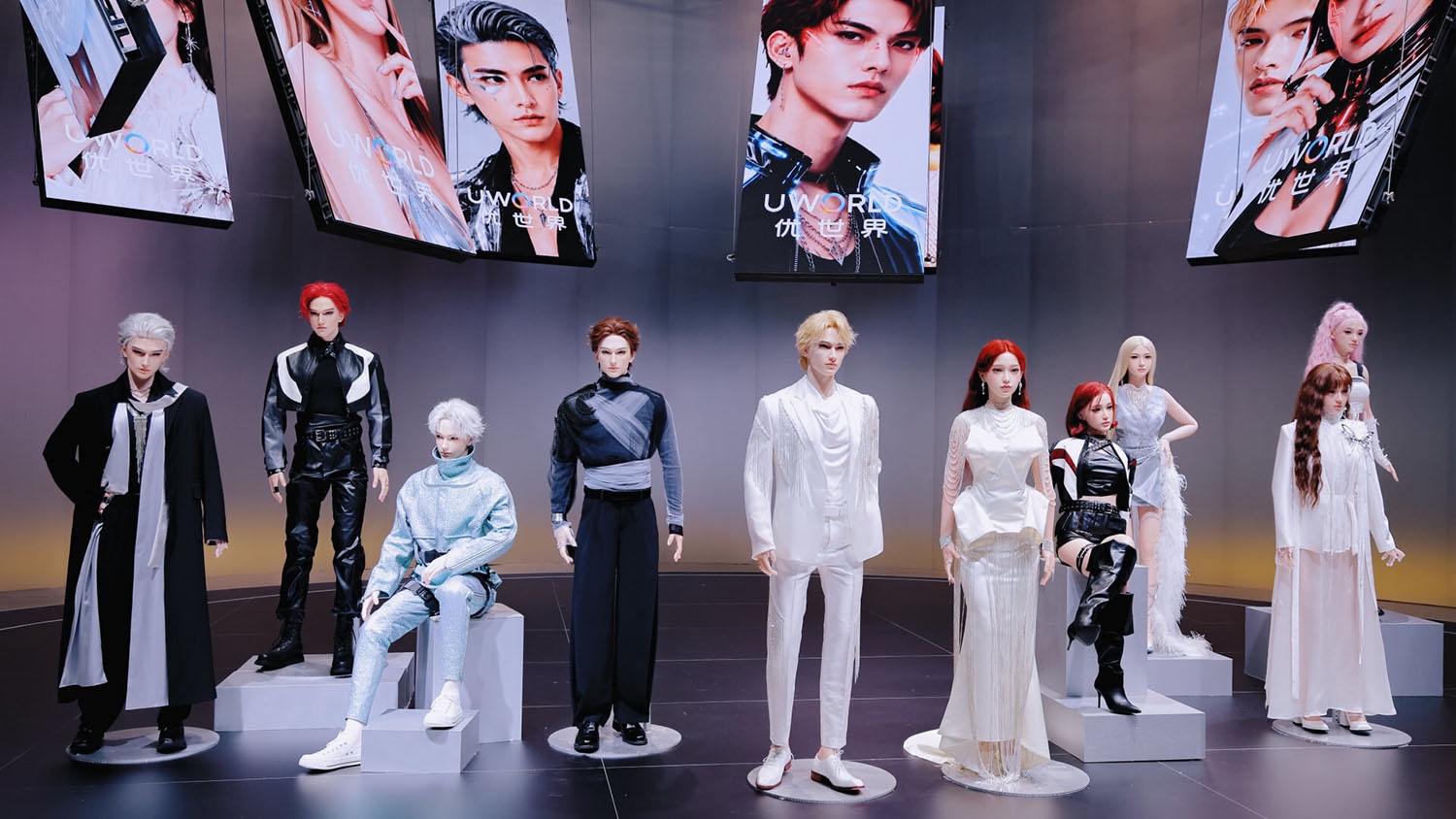
UBTech's U1 humanoid robot features silicone skin, emotional AI capabilities and on-device processing, targeting companionship and home interactions in China. (Image: X/ @amaz)
UBTech has launched a new humanoid robot designed for companionship, marking its latest push beyond industrial automation and into consumer-focused applications.
The Shenzhen-based robotics company introduced the U1 humanoid series on Tuesday, positioning it as a companion robot for domestic environments, elder-care settings and premium service applications. The launch reflects a broader industry trend in which robotics firms are exploring consumer use cases alongside factory deployments.
The U1 is available in Lite, Pro and Ultra variants, with prices ranging from 119,800 yuan (around $17,650) to 990,000 yuan (about $138,000). It is offered in male and female versions measuring 183 cm and 168 cm in height, respectively.
According to the company, the robot features 88 servo joints, a silicone exterior and an emotional AI system running locally on Rockchip’s RK3588 processor, allowing user data to remain stored on the device rather than in the cloud.
UBTech said the robot is designed for social interaction, with capabilities including conversation, eye contact and emotional engagement. The company also claims the system can recognise more than 20 emotional states with an accuracy exceeding 90 per cent, although those figures have yet to be independently verified in real-world settings.
Unlike most humanoid robots currently deployed in manufacturing and logistics, the U1 is intended for use in homes and care environments, where robots are expected to operate safely around children, older adults and pets while adapting to changing surroundings.
Jiao Jichao, vice-president of UBTech and head of its Embodied Intelligence and Humanoid Robotics Research Institute, said reproducing human facial expressions at scale remained one of the company’s biggest engineering challenges, requiring thousands of components as well as AI models capable of synchronising speech and facial movements.
Story continues below this ad
The launch comes as companies across the sector continue to focus primarily on industrial applications. Tesla’s Optimus programme is aimed at manufacturing environments, while firms such as Figure AI, Unitree Robotics and AgiBot have prioritised warehouse and factory deployments.
UBTech, however, sees an opportunity in companionship-oriented robots amid demographic shifts in China. The company has cited the country’s growing number of older adults living independently and households seeking assistive technologies as factors supporting long-term demand for consumer robotics.
UBTech founder and chief executive Zhou Jian said the company had surpassed 13,000 orders for the U1 series at launch, while pre-orders have generated more than one million page views on JD.com. Customers can place a refundable deposit of 3,000 yuan through July 15.
The company also announced a Human-Robot Companionship Initiative and plans to donate 100 customised U1 robots in 2026. Some versions could incorporate 3D facial reconstruction and voiceprint-based identity replication for personalised interactions, a feature that may raise questions around privacy, consent and long-term psychological impacts.
Story continues below this ad
Industry forecasts suggest interest in humanoid robots is increasing. Morgan Stanley recently raised its estimate for China’s humanoid robot shipments in 2026 to 50,000 units, up from an earlier projection of 28,000, and expects annual shipments to reach 446,000 units by 2030 as production scales and new applications emerge.
While industrial deployments continue to dominate the commercial humanoid robotics market, companies such as UBTech are increasingly testing whether emotional AI, local processing and lifelike designs can help establish a new category of consumer robots.
(This article has been curated by Shivani P Menon, who is an intern with The Indian Express)
View original source — Indian Express ↗
Related stories
TechRadar
TechnologyJul 2, 2026 · 1 min
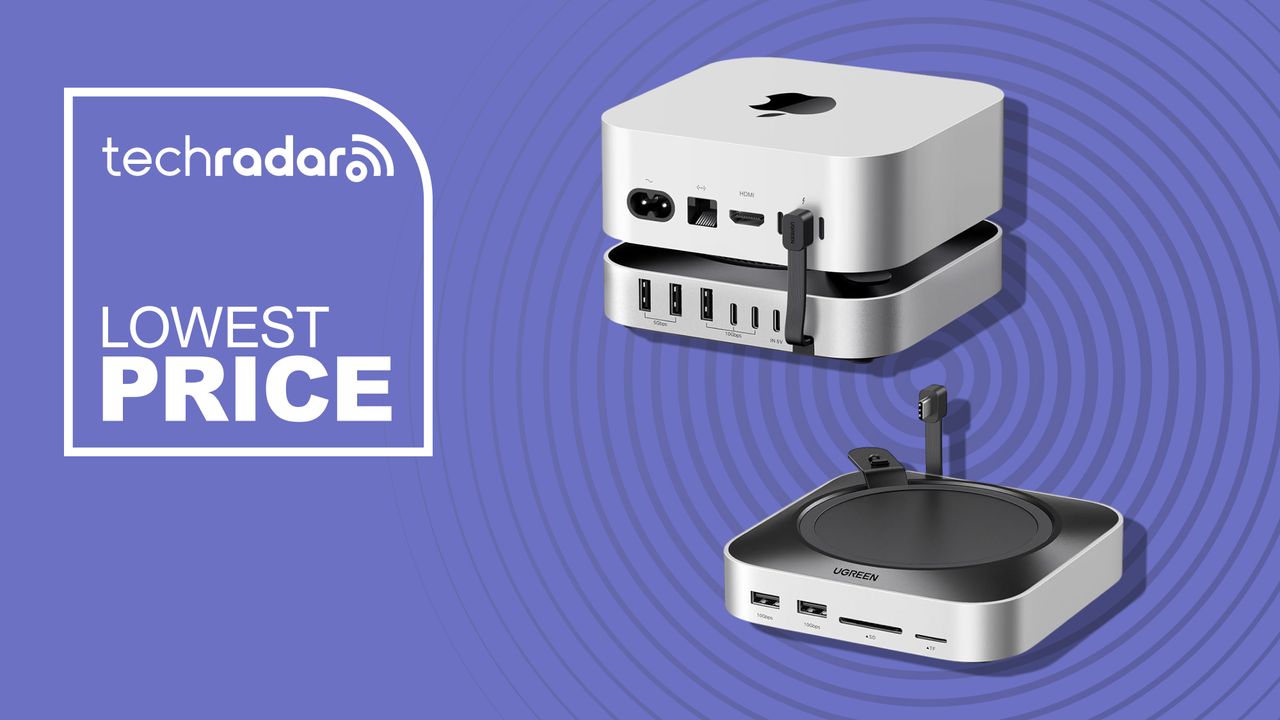
'The best Mac ever': Boost your Mac mini's storage and connectivity with Ugreen's secret weapon
TechRadar

TechRadar
TechnologyJul 2, 2026 · 1 min
I tried Nano Banana 2 Lite, Google's new 4-second AI image generator, and it changes how you use AI art
TechRadar
TechRadar
TechnologyJul 2, 2026 · 1 min
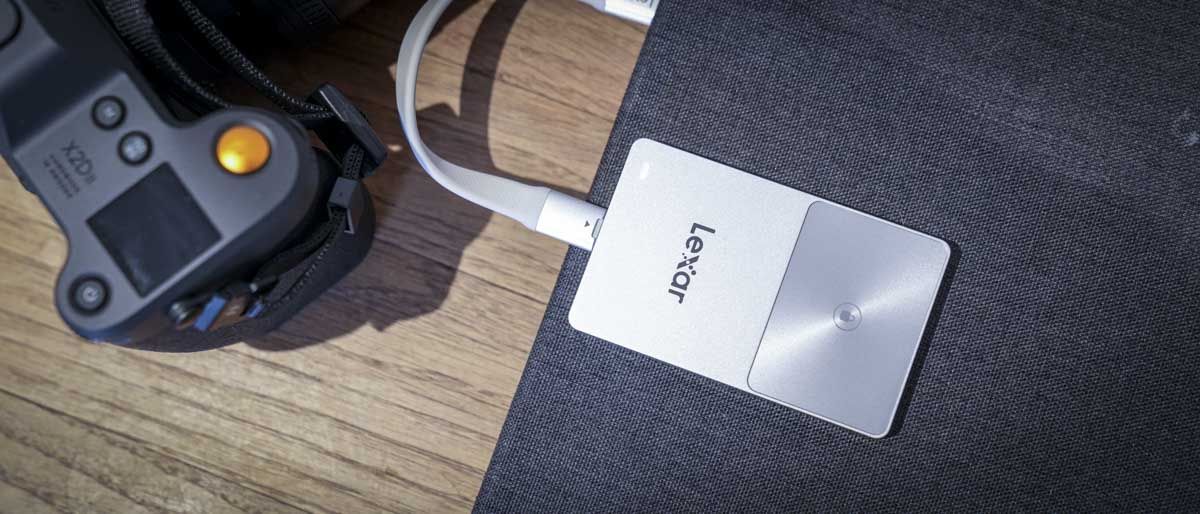
Lexar TouchLock Portable SSD review
TechRadar

Wired
TechnologyJul 2, 2026 · 1 min
Bublue BuVortex V5 Pool Skimmer Review: An Impractical Cleaner
Wired