Indian Express
Indian Express··3 min read
Newly built Delhi-Dehradun expressway caves in near Shamli; NHAI says locals blocked drainage work
2 min readNew DelhiUpdated: Jul 2, 2026 06:01 PM IST
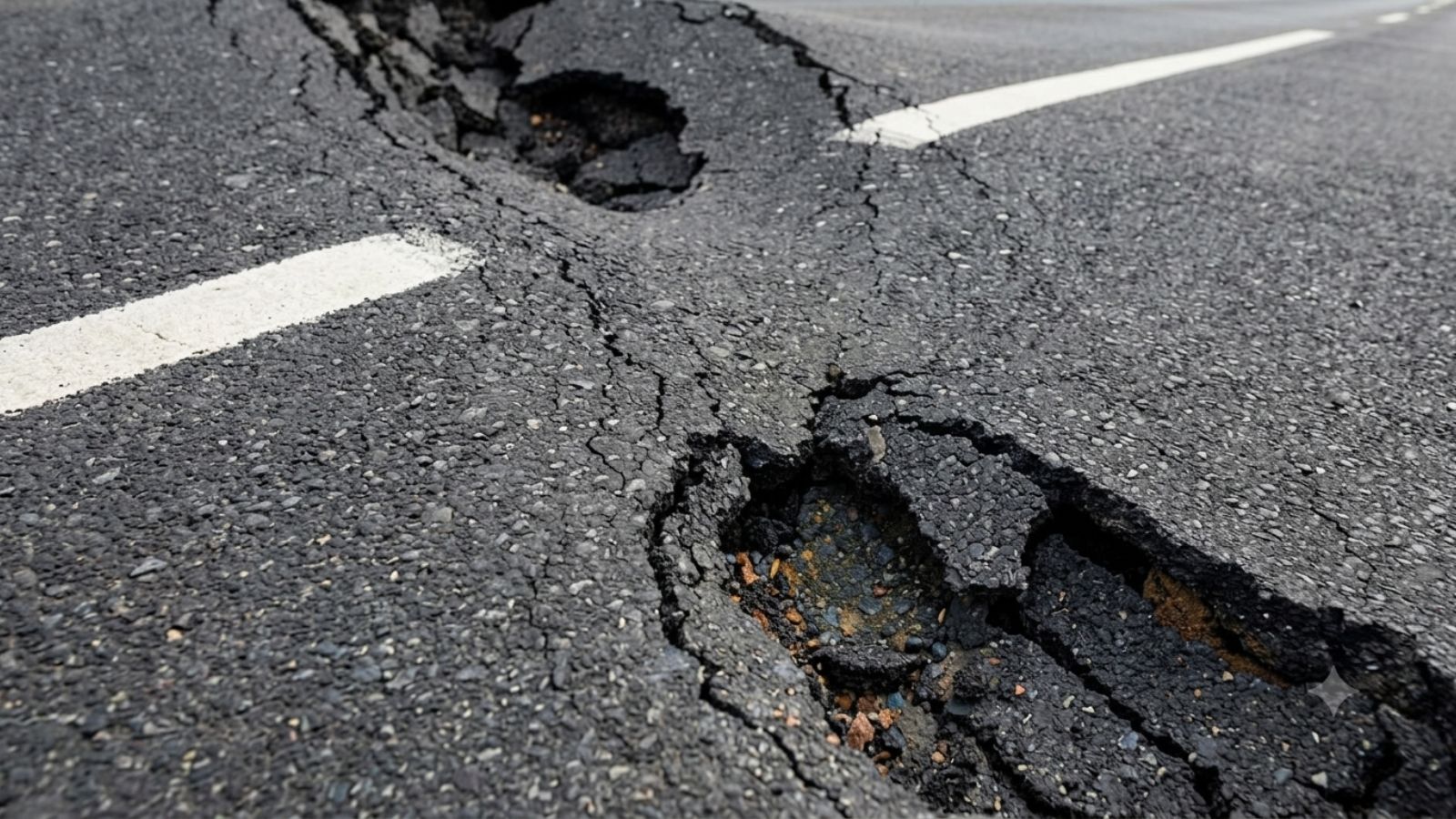
The National Highways Authority of India (NHAI) said the damaged section has been repaired. (Credits: X/ Narendra Pratap/ Image enhanced using AI)
A portion of the newly built Delhi-Dehradun expressway caved in near Shamli on Wednesday morning following overnight rainfall. Videos of the damaged stretch went viral on social media, with many raising concerns over motorists’ safety and questioning how a flagship infrastructure project could suffer damage within months of becoming operational.
The National Highways Authority of India (NHAI) said the damaged section has been repaired. It said the cave-in occurred at Gogwan Jalalpur village in Shamli due to localized water stagnation and constraints in connecting the cross-drainage system at the site.
According to the authority, a culvert had been constructed to carry rainwater from the expressway, but the drainage system could not be integrated because of resistance from local residents.
“Instead, locals have been using the culvert opening as a vehicular crossing. Due to this, the intended cross-drainage arrangement has remained non-operational, leading to accumulation of rainwater along the carriageway during the heavy rainfall and the subsequent road surface cave-in,” said the authority in a statement.
NHAI also said that permanent slope protection and chute drain works at the location remain pending due to an ongoing land-related arbitration dispute.
UP- दिल्ली-देहरादून एक्सप्रेसवे पहली ही बारिश में धंस गया. सड़क पर इतने खतरनाक गड्डे है कि मौत का खतरा बना हुआ है.
विश्वस्तरीय यह एक्सप्रेसवे 12,000 करोड़ रूपये की लागत से बनवाया गया है. इसकी ब्रांडिंग के लिए करोड़ों रूपये फूंके गये. 14 अप्रैल-2026 को प्रधानमंत्री नरेन्द्र मोदी… pic.twitter.com/XvXxwifMqb
— Narendra Pratap (@hindipatrakar) July 2, 2026
“To address the situation, NHAI has initiated construction of an interim parallel drain of a length of approximately 1.5 kilometres. The drainage gradient is being redesigned to safely convey rainwater up to the entry/exit location at Km 56+500, pending commissioning of the balancing culvert,” said the authority.
Built at a cost of around Rs. 12,000 crore, the 213-km expressway was inaugurated on April 14 by Prime Minister Narendra Modi. It has reduced travel time between Delhi and Dehradun to about 2.5 hours from the earlier 6.5 hours. The expressway is designed for a maximum speed of 100 kmph and connects with major expressways, including the Delhi-Mumbai, Delhi-Katra and Delhi-Meerut expressways through the Eastern and Western Peripheral expressways. It will also link to future corridors such as the Gorakhpur-Shamli Expressway and the Haridwar Spur.
Dheeraj Mishra is a Principal Correspondent with the Business Bureau of The Indian Express. He plays a critical role in covering India's massive infrastructure sectors, providing in-depth reporting on the connectivity lifelines of the nation.
Expertise & Focus Areas: Mishra’s journalism is focused on two of the country's most capital-intensive and public-facing ministries:
Ministry of Railways: Tracking the operations, safety, and development of India's vast railway network.
Ministry of Road Transport & Highways: Covering policy decisions, infrastructure projects, and highway development.
What sets Mishra apart is his rigorous use of the Right to Information (RTI) Actas a primary tool for news gathering. By relying on official data and government records, he ensures a high degree of accuracy and trustworthiness in his reporting. This data-driven approach has resulted in numerous impactful reports that hold public institutions accountable and bring transparency to government operations.
Find all stories by Dheeraj Mishra here ... Read More
Stay updated with the latest - Click here to follow us on Instagram
Tags:
expressway
View original source — Indian Express ↗
Related stories

The Punch
NewsJul 2, 2026 · 1 min
Why there is heavy security presence in Abuja — Security agencies
The Punch

ESPN
SportsJul 2, 2026 · 1 min
Ranking the 50 best players in the WNBA
ESPN
The Punch
NewsJul 2, 2026 · 1 min
Court affirms David Mark-led ADC leadership, dismisses Abejide’s suit
The Punch
ESPN
SportsJul 2, 2026 · 1 min
Taylor Swift and Travis Kelce's wedding (FAQ versi...
ESPN