Philippine Daily Inquirer
BSP sets rules for bank capital relief reporting
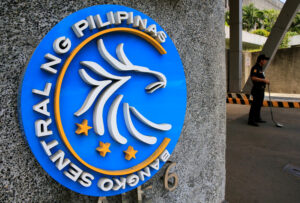
MANILA, Philippines – The Bangko Sentral ng Pilipinas (BSP) has issued reporting rules for banks seeking temporary capital relief, requiring them to notify the central bank and submit monthly capital adequacy reports.
Under Memorandum No. M-2026-032, banks seeking the relief must notify their BSP supervising department by email.
READ: BSP extends relief to crisis-hit banks
Article continues after this advertisement
They must also submit their February 2026 capital adequacy ratio (CAR) report and a breakdown of unrealized gains and losses on government securities. The deadline was June 30.
FEATURED STORIES
BUSINESS
BUSINESS
BUSINESS
Only banks that use the relief must file monthly CAR reports, starting with the April 30, 2026 reporting period.
Earlier, the BSP gave banks temporary capital relief to cushion paper losses from the Middle East war-induced surge in bond yields.
The measure lets banks and quasi-banks temporarily exclude unrealized losses on peso government securities from CAR computations. The BSP also allows banks to apply the relief retroactively to their April and May 2026 capital figures.
Ten-year government bond yields rose to 7.8 percent in May before easing to about 7 percent in June, according to Philippine Dealing System Holdings data. That remained above the 2025 average of 6 percent.
Article continues after this advertisement
READ: Moody’s flags PH bank capital relief as ‘credit negative’
The relief is significant because Philippine banks hold substantial government debt. Earlier, Moody’s said government securities made up about 30 percent of banking system assets as of March, among the highest in Asia, with about 40 percent classified as fair value through other comprehensive income.
Article continues after this advertisement
Banks keep the remaining holdings in held-to-collect portfolios, protecting them from mark-to-market accounting. As a result, Philippine banks recorded unrealized losses that reduced their Common Equity Tier 1 ratios.
Still, Moody’s called the relief “credit negative,” saying it could obscure the impact of higher interest rates and inflation on banks’ balance sheets. /pai INQ
Your subscription could not be saved. Please try again.
Your subscription has been successful.
View original source — Philippine Daily Inquirer ↗
Related stories

Bloomberg
BusinessJul 2, 2026 · 1 min
US Adds Fewer Jobs Than Expected in June, Unemployment Rate Falls
Bloomberg

Philippine Daily Inquirer
BusinessJul 2, 2026 · 1 min
Pepito pushes SRP BRT, says Cebu can pursue growth and mobility
Philippine Daily Inquirer

TASS
BusinessJul 2, 2026 · 1 min
India can supply fuel to Russia if needed — oil minister
TASS

Bloomberg
BusinessJul 2, 2026 · 1 min
AI Debt Binge Fueling Private Bond Market | The Close 7/1/2026
Bloomberg