Indian Express
Bank of Baroda shells out Rs 5,700 crore to settle court cases with UAE’s NMC group
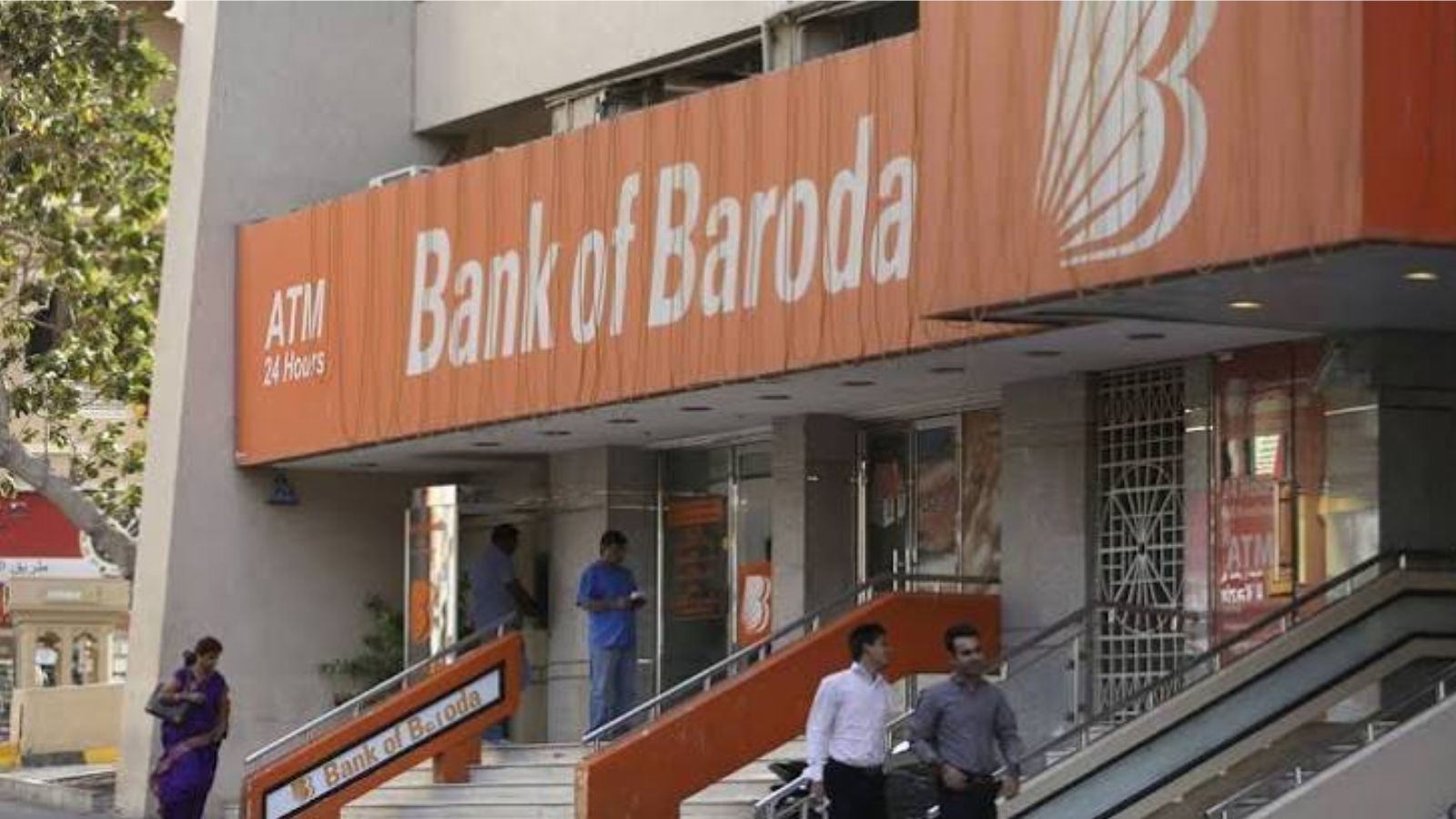
Long-standing insolvency-related disputes involving Bank of Baroda (BoB) and the NMC group of companies of the UAE, have been settled out of court with the Indian lender paying $600 million (around Rs 5,700 crore) to the joint administrators of the firm — ending a series of proceedings spanning multiple jurisdictions.
BoB shares fell 4.18% to Rs 260.15 on the exchanges after the bank made the announcement on Thursday.
Once listed in London, NMC in 2020 revealed more than $4 billion in hidden debt, leaving many UAE banks and other lenders with heavy losses. BoB had lent $ 250 million to NMC and its founder BR Shetty who later backed away from providing collateral.
The Mumbai-headquartered public sector lender came into the picture after NMC’s joint administrators alleged that the bank facilitated financing arrangements by processing or extending credit based on fictitious invoices and undisclosed borrowings, enabling the company’s management to conceal its true financial position.
They sought billions of dollars in damages from BoB. The bank, on its part, denied the allegations in court.
Now, as a consequence of the settlement, the proceedings before the Abu Dhabi Global Market (ADGM) courts have been formally discontinued.
NMC Health PLC, NMC Healthcare Ltd, NMC Holding Ltd and their respective joint administrators have settled all claims and disputes with Bank of Baroda.
Story continues below this ad
The agreement resolves all claims, causes of action and related matters between the parties without any admission of liability or wrongdoing by either side, BoB said in an exchange filing.
The parties emphasised that the settlement has been reached on a confidential basis, with all other terms of the agreement remaining undisclosed. The payment was settled through the Abu Dhabi branch of the bank.
The announcement further clarified that the bank’s liability in the proceedings is limited to the agreed settlement amount, bringing certainty to one of the most closely watched insolvency-related disputes arising from the collapse of the NMC group.
In addition, the related proceedings before the English courts are currently being discontinued, effectively bringing the litigation to an end across both jurisdictions, the filing said.
Story continues below this ad
All about NMC group and its fall
NMC Health was founded by India-born BR Shetty.
In 2020, the company collapsed after investigators discovered billions of dollars of previously undisclosed debt and alleged financial irregularities.
The company, with $ 6.6 billion of debt, entered administration, and administrators sought to recover losses from various parties they believed were involved or responsible.
Allegations emerged of a large-scale accounting fraud that allegedly concealed billions of dollars in debt over several years.
Story continues below this ad
The collapse was not solely the result of weak hospital operations — it was also driven by undisclosed borrowings, misleading financial reporting, governance breakdowns and a sudden erosion of lender confidence.
NMC Health pursued rapid expansion across the UAE and abroad through a series of acquisitions. It was added to the FTSE 100 index in 2017, and at its peak the company was valued at approximately 8.6 billion pounds.
The legal dispute had involved complex issues under ADGM law, UK insolvency law, and UAE civil law, reflecting the multinational nature of the NMC group’s operations and restructuring process.
The proceedings centred on claims involving NMC Health PLC, NMC Holding Ltd and NMC Healthcare Ltd, alongside their joint administrators.
Story continues below this ad
The ADGM proceedings had advanced to trial, which commenced on March 23, 2026, marking a significant stage in the litigation.
Meanwhile, the English proceedings had been stayed pending the outcome of the ADGM case, with the English court awaiting developments before proceeding further. NMC Health is still functioning under the control of creditors.
With the execution of the settlement agreement, both sets of proceedings are now being brought to a close, eliminating the need for further litigation between the parties.
View original source — Indian Express ↗
Related stories
Bloomberg
BusinessJul 2, 2026 · 1 min
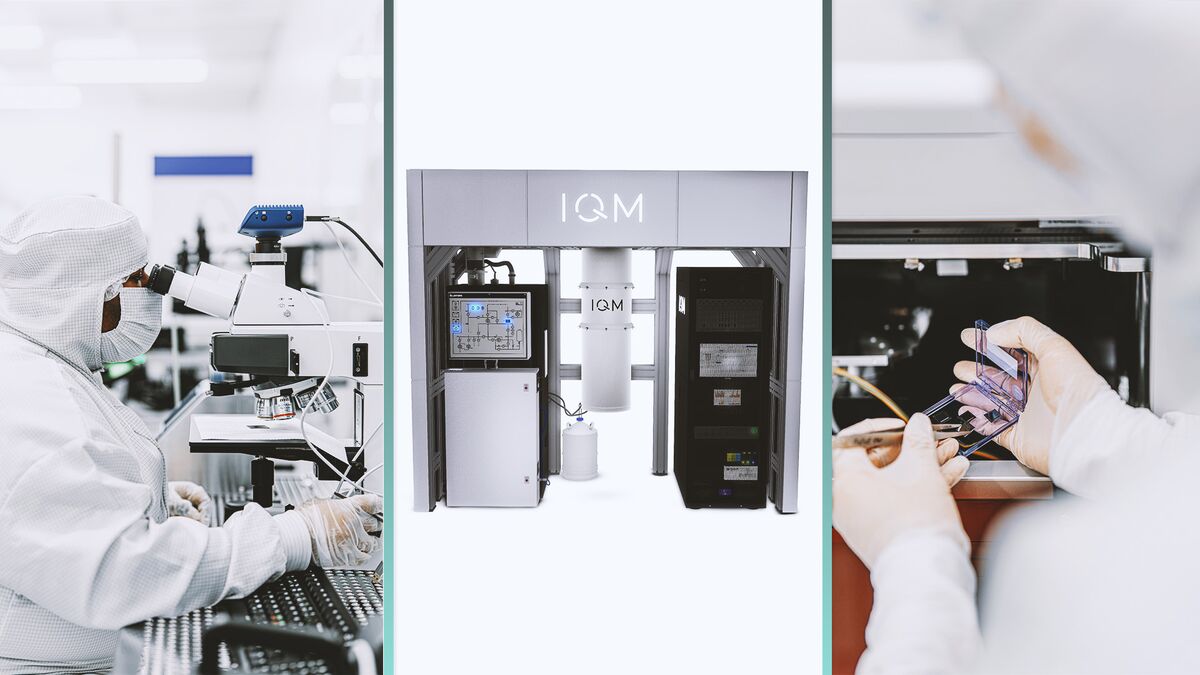
IQM CEO Explains Quantum's Big Opportunity
Bloomberg
Bloomberg
BusinessJul 2, 2026 · 1 min
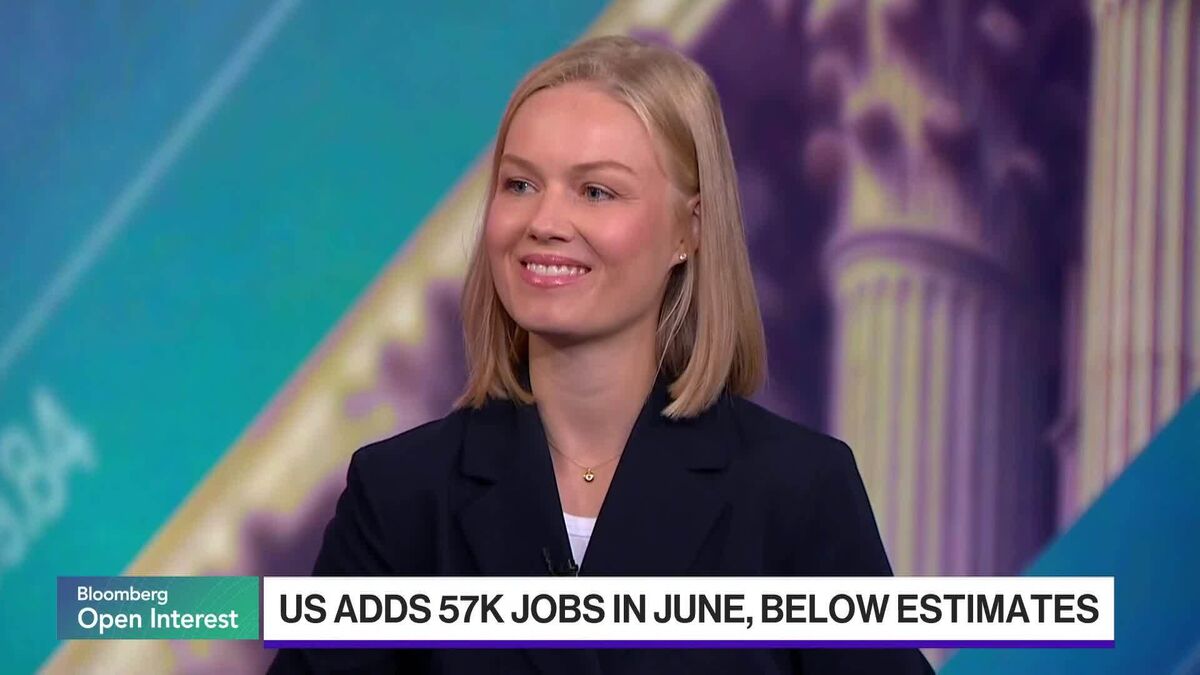
Lisa Simon, Chief Economist at Revelio Labs joined Bloomberg Open Interest to explain why a weaker-than-expected jobs…
Bloomberg

CNBC
BusinessJul 2, 2026 · 1 min
Sandwich chain Jersey Mike's files for IPO, reports 50% same-store sales growth in recent years
CNBC
Bloomberg
BusinessJul 2, 2026 · 1 min
Kayne Anderson CEO on Bridgepoint Deal
Bloomberg