
RNZ
Meridian gets go-ahead to access reserve water, promises price hikes will end soon
Meridian Energy has received final approval from the government's fast-track panel to access contingent storage at Lake Pūkaki for three years.
It means the power company can access water held in reserve, and below what it would normally be allowed to access.
Chief executive Mike Roan said it would help reduce dry-year risk and related effects on pricing through to winter 2028.
"Hydro generation provides around 60 percent of the country's electricity and offers storage that can play a key role when alternative sources like solar and wind are not available.
"Its challenge is that only 23 percent of that capacity can be stored in lakes, and Meridian's own lake storage equates to only 15 weeks of average generation."
Roan said Friday's announcement meant the company received a buffer for dry years.
He said the company managed hydro storage "carefully" and would be "just as careful with this extra storage".
"That's why we have committed to only using it over the remainder of 2026 if there's heightened risk to security of supply. Even then, given current lake levels, we don't expect to use more than half of the five metres available this year."
The fast-track panel's decision would also grant Meridian permission to permanently install rock armouring at Pūkaki Dam to protect it against wave erosion.
Promise costs will come down
Roan claimed the climbing cost of power would be short-lived, but accepted households were under pressure.
New rules meant major power companies now had to offer households and small businesses cheaper rates for off-peak electricity.
Energy Minister Simeon Brown said gentailers' use of a blanket price had been unfair on customers.
Roan said Meridian was investing heavily in electricity regeneration, which would eventually bring costs down.
He said households struggling with power costs could contact the company.
Related stories

The Punch
BusinessJul 3, 2026 · 1 min
Debt issuance spikes on inflation, liquidity risks — Analyst
The Punch
South China Morning Post
BusinessJul 3, 2026 · 1 min
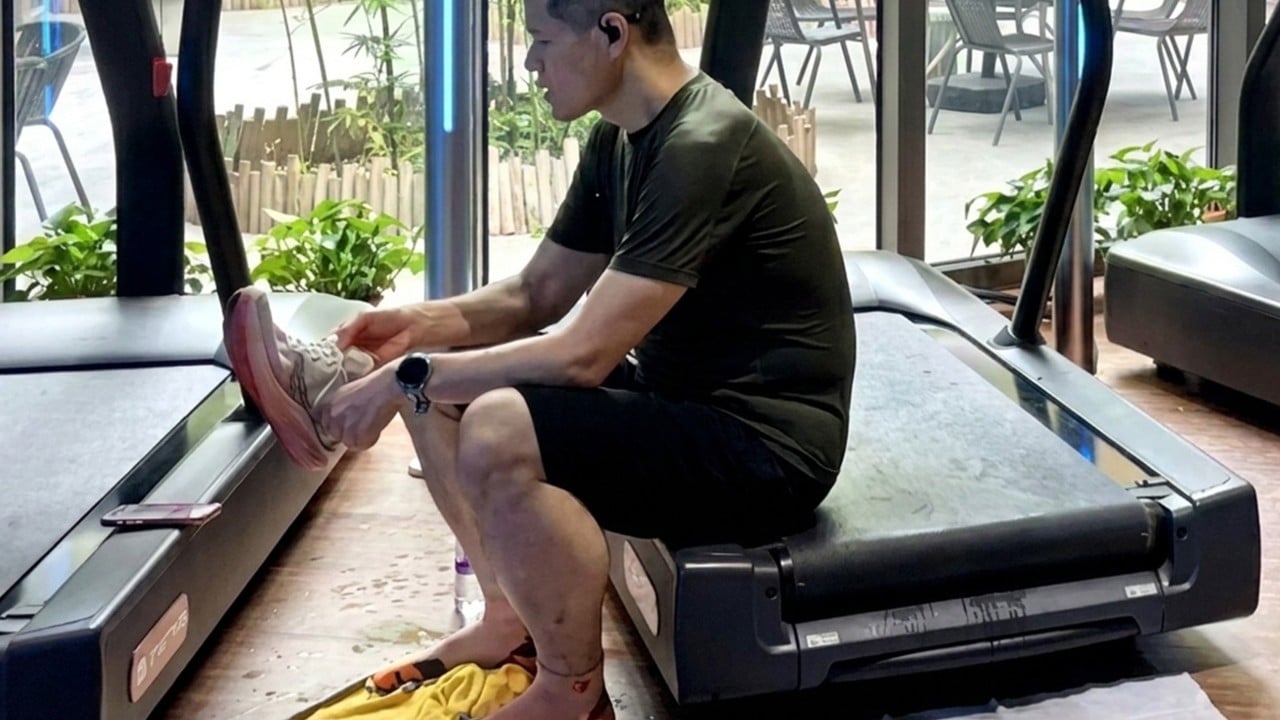
Chinese gym refunds client, offers membership elsewhere after body odour complaints
South China Morning Post

Japan Times
BusinessJul 3, 2026 · 1 min
A new, inexpensive Chinese AI model is catching up with Anthropic, OpenAI on their home turf
Japan Times
The Punch
BusinessJul 3, 2026 · 1 min
‘Gangs of Lagos’: We acted to protect Eyo heritage, says union
The Punch