
RNZ
New US Ambassador would like chance to work on New Zealand's nuclear policy
The new United States Ambassador says it is not for him to change New Zealand laws, but he would like the opportunity to work on the country's nuclear policy.
Jared Novelly said he had not seen any appetite for change in the little time he had been here but he would love to see nuclear ships in New Zealand waters.
"You need to see these things and realise that it's not some sort of boogeyman that you have to worry about."
The post has been empty since January 2025, with Novelly starting the role with a celebration of US independence in Wellington on Thursday.
A Reuters article from May reported on the changing style of US diplomacy, noting at least half of America's 195 ambassadorial posts worldwide were vacant.
He was appointed by President Donald Trump, and has been a Republican donor.
Speaking to reporters for the first time on Friday in a relaxed setting at the US Ambassador's residence, Novelly explained his background in business and his interest in sports.
Prior to being appointed as ambassador, he was the owner and chairman of The Illawarra Hawks, an Australian basketball team.
He also stated he knew enough about the oil business "to be dangerous."
During the media conference he was asked about New Zealand's nuclear free policy, and responded saying he was "really glad you asked that question".
He referred to the event on Thursday, which had a Back to the Future car at the venue, and was asked what he would do after his first formal speech.
"I want to get in the DeLorean and go back to 1985, perhaps I could fix this nuclear thing."
He said the nuclear issue was the first thing he had been briefed about in the new role, and acknowledged it was not for him to change the law, but suggested people did not need to be worried about nuclear power.
"It's not some sort of boogeyman that you have to worry about.
"I'd really like the opportunity to work with New Zealand on that exact topic."
He also described his desire to see US warships in New Zealand waters.
He was asked about Asia New Zealand Foundation polling from last month showing more New Zealanders view China as a friend than they do the US.
In response, he said it was "disappointing," but not what he had experienced, and not something he had noticed in terms of New Zealanders he knew responding to the Trump administration.
Novelly described Trump as a "disruptor", and that it wasn't a bad thing, but acknowledged it might "rub people the wrong way" sometimes.
In terms of the Asia New Zealand Foundation poll, he said, "I'm very disappointed - I don't mean to scold New Zealanders - but disappointed that they feel that way."
"I don't feel that way."
He then pointed to the reporters in the room who were part of the "free press", which he said was important for any democracy.
"You know what you know about President Trump, and you know what you know about America because of the free press.
"That's not what you get in China. So I question the poll of whether you really know who your friends are."
Asked about Trump's style of seemingly making policy decisions with little notice, and making comments about other countries that could inflame relations, Novelly rejected that characterisation.
"There is a lot of thought that goes into these things," he said, adding that Trump believed press coverage of him was skewed against him, so felt the need to reach out to people directly.
"As a result of that, it's a different distribution of information than you had in previous administrations."
He said New Zealand was "certainly playing its part" when it came to defence spending and added there was a "strong reliance" and "camaraderie" between the New Zealand and US defence forces.
He would not go into detail because of national security, but said "the respect that people in Washington have for New Zealand and what they do for us, particularly in the South Pacific, is resounding when you're in these meetings".
But reiterated the Trump administration's request that the world "carry their own water" when it came to defence.
"It's important that you care as much about your defence as we care about your defence, and that does mean increasing spending."
For New Zealand, and all of the America's partners, "that is something that that we are going to be speaking about."
However, he did note Secretary of War Pete Hegseth was not trying to offend New Zealand with comments about "freeloading" countries with low defence spending.
He was also asked about the US attack on Iran, given Trump had not campaigned on it - unlike his campaign plans to introduce tariffs on other countries - and the resulting consequences on oil prices that had impacted New Zealand.
Novelly said "a nuclear-powered Iran would be an existential threat to everybody on the planet, so, period, end of story on Iran having nuclear weapons".
In terms of fuel prices, he said peace talks were ongoing and he hoped to see fuel prices return to normal, adding "as a plug, the US is a net exporter."
"You want oil, I got it all for you."
'We don't like being told what to do' - Phil Goff
Former High Commissioner to the United Kingdom, and former Foreign Minister, Phil Goff told RNZ Novelly had tried to be diplomatic around the issue of defence spending, but New Zealand had already come under pressure by the US to increase its spend.
"Despite what the ambassador said about Hegseth's comments, he made those comments - he called us freeloaders."
Speaking to Midday Report, Goff said New Zealand should increase its spending, but it wasn't for "any other country in the world to tell us that we should be doubling that".
"We don't like to be told what to do, that's a good New Zealand - Kiwi characteristic, and we won't be told by any other country what to do."
On a change to the nuclear free policy, Goff said the discussion had been raised in the past since the policy was in place and both times New Zealand replied "with a firm no".
"We're proud of being nuclear free. It's part of our image, it's part of our value system.
"New Zealanders aren't about to change their mind on that.
"The mature position for the United States is simply to accept that's our firmly held view. Stop trying to put pressure on the country to make a change, because we're not going to do that."
On the Asia New Zealand Foundation polling, Goff said the President's move to put tariffs on the country was part of creating that sentiment.
But he said he was sceptical about all superpowers.
"China's a superpower, and it has the same potential to misuse its power as the United States has shown, and Russia has shown continually."
He said New Zealand had a longstanding relationship with the US, but hated the "bullying behaviour" of the Trump administration.
Related stories

Euronews
WorldJul 3, 2026 · 1 min
Spain cruise past Austria while Portugal edge Croatia Wednesday to book last-16 tie
Euronews
The Guardian
WorldJul 3, 2026 · 1 min
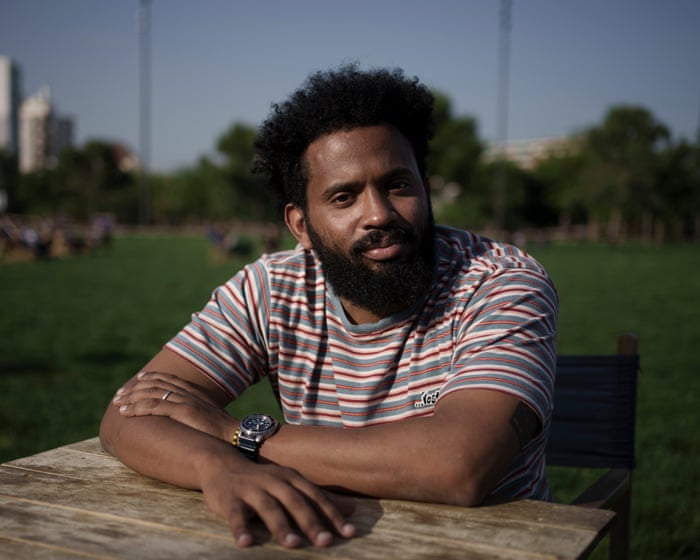
I launched Cuba’s first independent magazine. And that’s when my troubles began – podcast
The Guardian
South China Morning Post
WorldJul 3, 2026 · 1 min
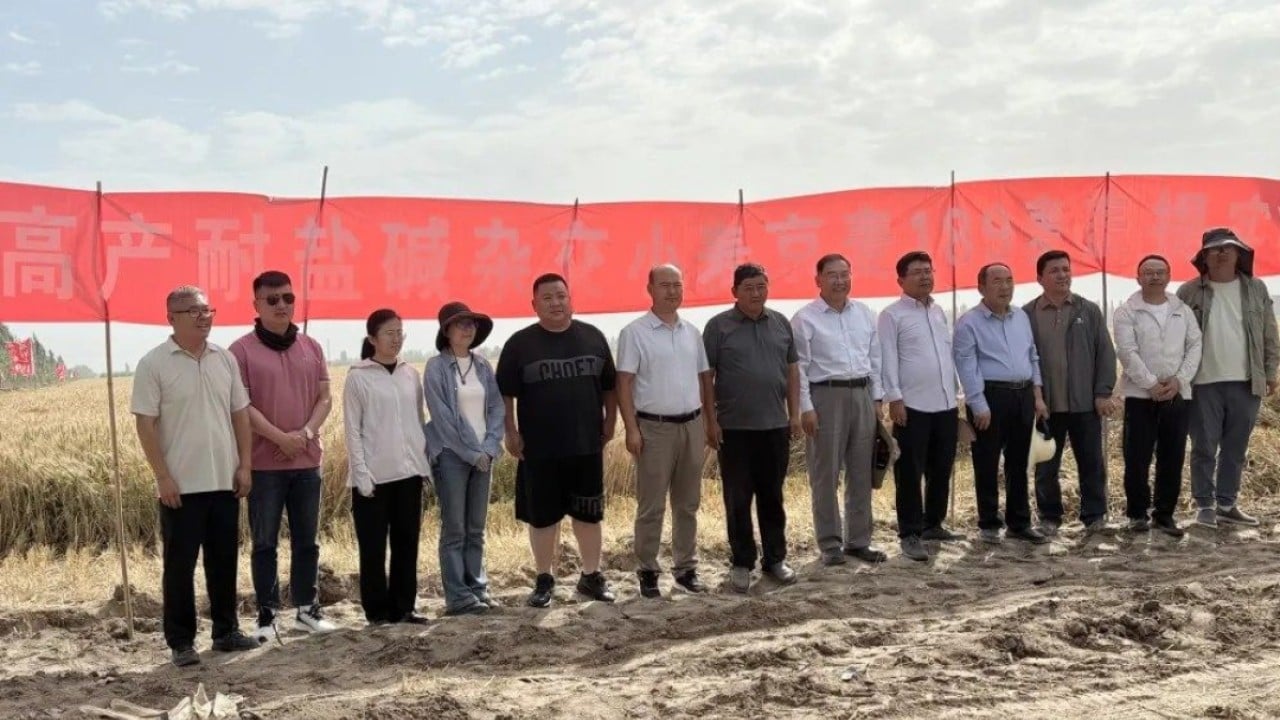
‘Totally unexpected’: China’s trial Taklamakan Desert wheat yield doubles national average
South China Morning Post
VnExpress
WorldJul 3, 2026 · 1 min
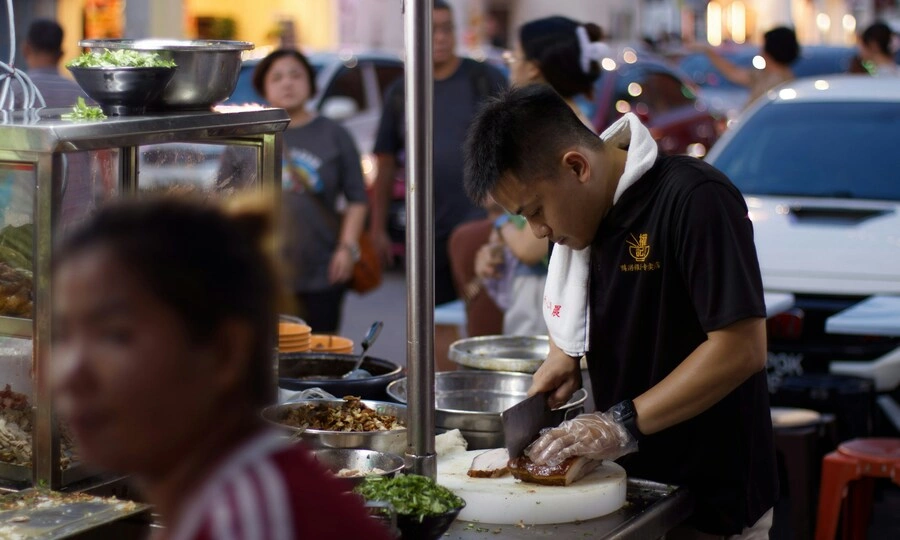
Malaysia's heritage state now sends littering tourists to court with no warnings
VnExpress