
RNZ
Westpac economist says households may be better off than a year ago
Afre you feeling richer than you were a year ago?
Westpac senior economist Satish Ranchhod says a few factors have combined over the past year to make households better off, even if they aren't feeling it yet.
He said household disposable income levels have risen by about 5 percent over a year, partly due to a 1.5 percent increase in the number of households.
Adjusting for population changes, household disposable incomes probably rose about 3.8 percent in the year to March, he said.
Most of that is due to people working for themselves, though. He said it was largely because of increases in entrepreneurial earnings, which are up 14 percent over the year, influenced by stronger earnings in the agricultural sector.
Savings were up $2 billion in the March quarter, and the saving rate rose to 3.3 percent of disposable income, the highest since the pandemic lockdowns. Overall household wealth levels were up 1.5 percent over the year.
While house values have generally been flat or falling, financial assets have increased in value on the back of strong share market performance. Many people had seen their KiwiSaver balances grow.
"If I think about how households are now saving for the future, there's been quite a shift in mindset over the past few years. It used to be the case that vast numbers of us would be saving for retirement with an investment property and that's still a great option for a lot of people…. But increasingly we are looking at a more diversified portfolio and that's also an encouraging sign."
Rachhod said households spent less on interest in the March quarter, the fifth in a row that measure had fallen.
There is often a "wealth effect" when house prices rise and people feel better off and more able to spend. Ranchhod said something similar could be happening with other financial assets. "People see those financial asset coming up, they probably do feel a little more secure and that's likely supportive for spending."
"We don't expect to see further significant falls in households borrowing costs over the remainder of this year. Mortgage rates have been pushing upwards in recent months... That's occurred against a backdrop of renew concerns about inflation in the wake of the Middle East war. And while tensions in the Middle East have eased over the past few weeks, the RBNZ is still expected to raise the Official Cash Rate at a measured pace over the coming months."
He said he expected the Reserve bank to keep the rate on hold next week but then increase beyond that.
"The direction for rates is up, but if I think about what that means for households, a lot of us are on fixed rates, about 90 percent of us, and that means when rates rise, it does take a while to flow through... we're not necessarily going to see a big pickup in debt servicing costs in the near term, but we don't expect to see the big reductions in debt servicing costs that we saw over the past year, and which have helped to support spending. That will be pretty important especially for the retail sector."
He said how soon things started to feel better for households would depend on the labour market.
"Right now, unemployment's still high at 5.3. We think it might nudge up a little higher, but we expect that the improvement in the labour market is going to be pretty gradual.
"At the same time you're going to be dealing with other challenges. Interest rates probably are going to be pushing higher, even if it's a gradual rise. In inflation, it's still pretty tough. I mean, if I think about the fact that petrol prices have come down but they are still over $2.90. That's well above where they were prior to the Middle East conflict. We've got pressure coming through on other essential costs, like your electricity charges and your rates. For a lot of households, I think it's still going to feel pretty tight for some time."
Sign up for Money with Susan Edmunds, a weekly newsletter covering all the things that affect how we make and spend money.
Related stories
South China Morning Post
WorldJul 3, 2026 · 1 min
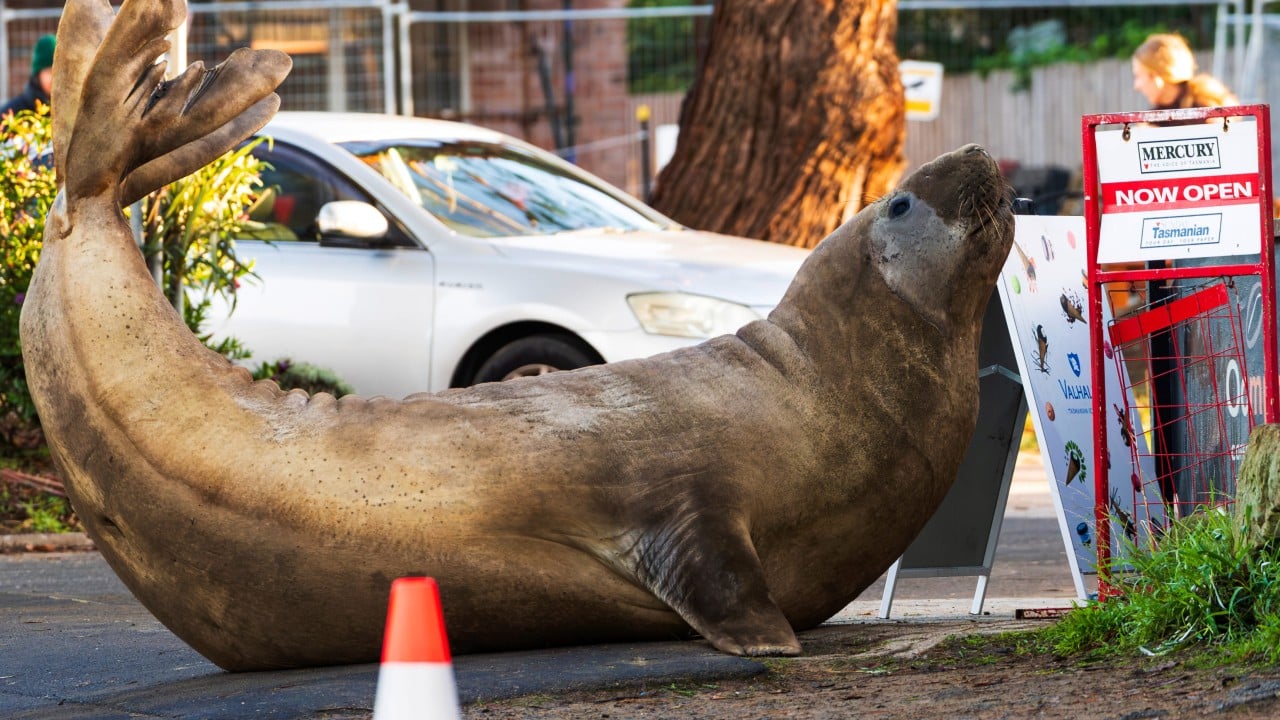
Australian officials tell fans to give Neil the seal some flipping space
South China Morning Post

Antara News
WorldJul 3, 2026 · 1 min
Three helicopters deployed to evacuate slain US pilot
Antara News

Antara News
WorldJul 3, 2026 · 1 min
US pilot's body evacuated after Papua separatist attack
Antara News

Times of India
WorldJul 3, 2026 · 1 min
Asics Rs 6,499 running shoes lost sole in a month; panel orders compensation
Times of India