Times of India
Can a landlord cut your power or water? Know your rights as a tenant
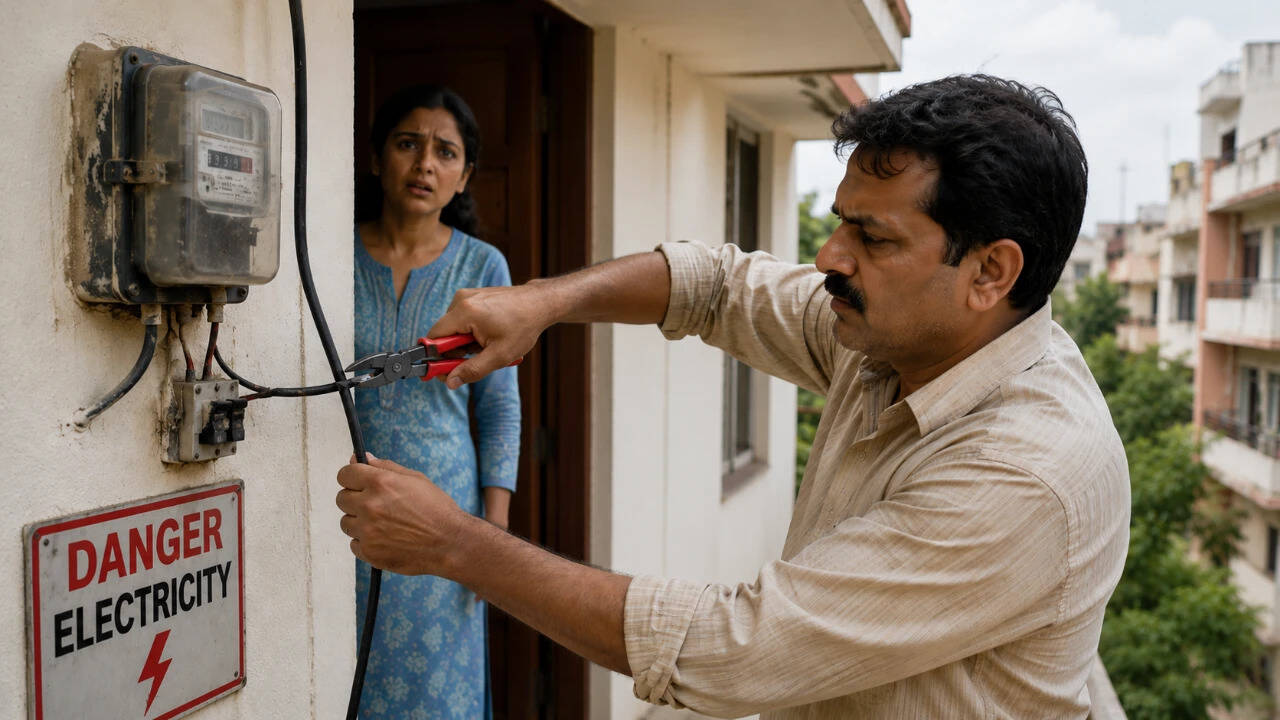
Representative image
Your landlord may ask you to vacate the property, but can they switch off your electricity or water to force you? While such situations might arise during landlord-tenant disputes, the law provides safeguards against the denial of essential services.
Electricity, in particular, is recognised as a basic necessity and forms part of the fundamental right to life under the Constitution. This was reaffirmed by the Delhi High Court in Shri Maiki Jain v BSES Rajdhani Power Ltd. & Others, decided on December 15, 2025. The court held that a tenant cannot be denied electricity merely because a dispute with the landlord is pending.The petitioner had been a tenant in the property since 2016, when the landlords initiated eviction proceedings and other civil claims against him.
After the electricity connection was disconnected due to unpaid bills, the tenant cleared all outstanding dues on the same day and sought restoration of the supply.However, BSES Rajdhani Power Ltd. refused to reconnect the electricity because the landlords declined to provide a No Objection Certificate (NOC). Hearing the matter, Justice Mini Pushkarna had ruled that electricity is an essential service and forms an integral part of the right to life under Article 21 of the Constitution.
Additionally, according to the Model Tenancy Act, 2021, a landlord cannot deny the supply of essential services, which include electricity, among others like water, piped cooking gas supply, lights in passages, lifts and on staircase, conservancy, parking, communication links, sanitary services and security fixtures and features.If such a situation arises, the tenant may apply to the Rent Authority, which can issue an interim order directing the immediate restoration of the essential service while the matter is under investigation. The Rent Authority is required to complete its inquiry within one month of receiving the application. After providing both parties an opportunity to be heard, it may award compensation of up to two months' rent to the tenant if it finds that the essential service was wrongfully withheld. Conversely, if the accusation is false, it may impose a penalty of up to twice the monthly rent on the tenant.It is important to note that the Model Tenancy Act, 2021, has not been adopted across India.
It is currently in force in states such as Andhra Pradesh, Tamil Nadu, Uttar Pradesh and Assam. Even where the Act does not apply, electricity continues to enjoy constitutional protection as an essential service forming part of the right to life.The legal position is clear: landlords cannot use access to essential services as a tool to pressure tenants. The law recognises that services such as electricity and water are fundamental to living with dignity and provides safeguards against their wrongful denial.
View original source — Times of India ↗
Related stories

The Punch
WorldJul 3, 2026 · 1 min
Ex-Iran supreme leader’s body arrives Tehran’s religious complex for funeral
The Punch
The Punch
WorldJul 3, 2026 · 1 min
Police, forest guards rescue two kidnapped victims in Bauchi
The Punch

CNA
WorldJul 3, 2026 · 1 min
Supreme leader's body arrives at Tehran religious complex for funeral
CNA
ABC News
WorldJul 3, 2026 · 1 min
Prosecutors awaiting files relating to woman found dead in Brisbane River
ABC News