
AllAfrica
Angola: Angola's Hidden Succession Crisis
The election that may decide Angola's future is not the general election scheduled for 2027. It may be the internal election of the ruling MPLA, at the party congress in December 2026.
In Angola, the head of the national list of the party that wins the general election becomes president. The MPLA has governed since independence; its internal choices often become state decisions. Yet President João Lourenço is constitutionally barred from seeking a third presidential term in 2027. A serious ruling party would already be debating its next candidate, program, team and transition.
Instead, Angola is being asked to stare into a fog.
Lourenço wants to remain MPLA president. What he has not done is name a successor, organize a credible transition or open a real contest over the future of the party and the country. The silence is the message. It keeps the party dependent on his timetable, his will and his appetite for survival.
Keep up with the latest headlines on WhatsApp | LinkedIn
That silence should alarm Angolans and the outside world. If the MPLA needs a new presidential candidate for a competitive election in 2027, it needs time to build that candidate before the public. It needs debate and scrutiny. If the plan is to postpone clarity until the last moment, then secrecy is no longer prudence. It is control.
There is an obvious fear behind this strategy. Lourenço knows what happens when party and state power are separated. In 2017, José Eduardo dos Santos remained MPLA leader after Lourenço became president of the republic. The experiment in dual authority lasted barely a year. Lourenço quickly took command of both state and party.
He understands the danger of becoming a party leader without control of the executive. In the MPLA, a president without the state can soon become decorative -- and disposable. The party has long functioned as an extension of the state. If the state slips away, the party trembles.
So the issue is not merely succession. It is self-preservation. Lourenço has not built institutions that can protect a former president. He has not created a consensual transition that secures him beyond 2027. He has not cultivated a successor strong enough to win, but loyal enough to protect him. That failure creates a dangerous temptation: changing the rules.
The MPLA has 124 seats in the National Assembly. A constitutional revision requires a two-thirds majority -- 147 votes if all 220 seats are filled. Any attempt to alter the constitution to allow a third mandate would need support beyond the ruling party's bench. That is not conspiracy theory. It is parliamentary arithmetic.
Lourenço's defenders will call this speculation. It is a warning drawn from the facts he has created: a leader who cannot run again but insists on retaining party control; a ruling party that refuses to identify its next presidential candidate; a state where politics, courts and party management often move together; and a parliament where constitutional engineering is possible. That is not democratic succession. It is a constitutional alarm bell.
His anti-corruption campaign deepens the concern. It began as a promise to clean up the state after decades of looting. It now looks, to many, like a selective weapon. Some are exposed, prosecuted and politically destroyed. Others remain protected, promoted or forgotten.
The case of Higino Carneiro, a retired general and would-be MPLA presidential challenger, sharpens the suspicion. He faces accusations of embezzlement and money laundering; he says the timing is political and linked to his leadership bid. This is not an argument for impunity. If crimes were committed, they must be tried. But when judicial calendars coincide too neatly with political calendars, citizens are entitled to doubt.
Lourenço's second burden is incompetence. Angola is rich in resources and poor in opportunity. The state bureaucracy is bloated but fails to deliver basic services. The government is loud in propaganda and thin in transformation. Loyalty too often counts more than competence.
There is no sharper symbol than the armed forces. Lourenço presents himself with pride as a general, yet his government has not convincingly answered repeated complaints that soldiers have gone for years without proper uniforms, boots and basic conditions. If even the commander-in-chief cannot guarantee dignity to those who wear the republic's uniform, what governing authority remains? His final public service may be to serve as a case study in how not to govern Angola.
Sign up for free AllAfrica Newsletters
Get the latest in African news delivered straight to your inbox
The economic model is just as exclusionary. Too much entrepreneurship still depends on political proximity, bureaucracy and access to decision-makers. Simplified procurement and direct awards dominate public contracting, limiting competition and concentrating opportunity. A small circle lives from the state; millions live against it -- against inflation, unemployment, bad schools, weak hospitals, broken sanitation and public neglect.
If Lourenço wants an orderly transition, he should name the presidential candidate, open the party to debate and publicly rule out any constitutional change that benefits him. If he refuses, Angola has reason to suspect the worst.
The future of Angola cannot belong to one-man, one party machine or silent militants. It belongs to Angolans.
And 2027 may be too late if December 2026 is decided in the dark.
View original source — AllAfrica ↗
Related stories

Lovin Malta
TechnologyJul 3, 2026 · 1 min
Wtach: Bjorn Formosa Unveils New Song “Tinsinix” Ahead Of 30-Hour Marathon
Lovin Malta
Indian Express
TechnologyJul 3, 2026 · 1 min
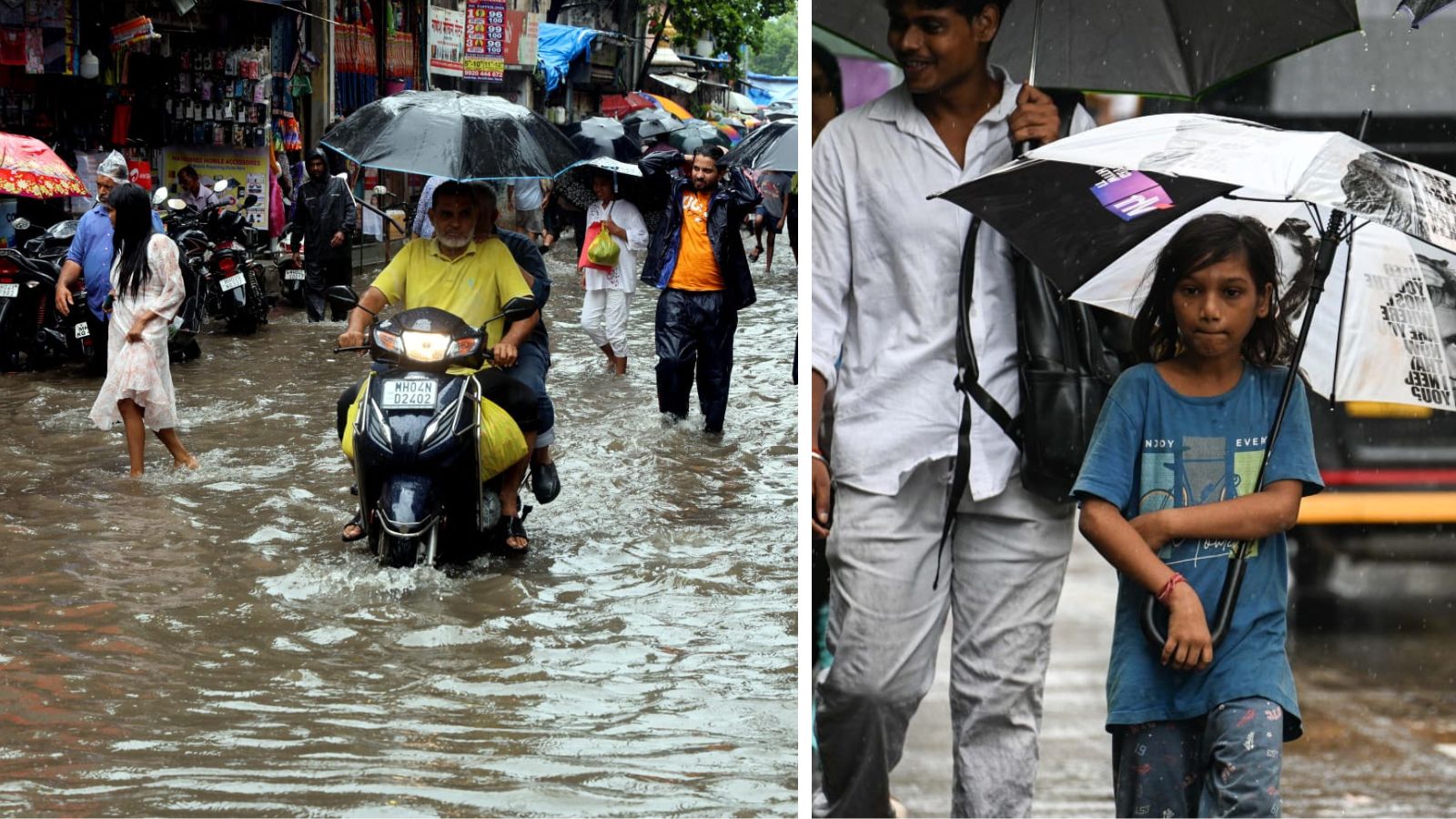
Heavy rain batters Mumbai; orange alert in city, red alert for Thane
Indian Express

TechCrunch
TechnologyJul 3, 2026 · 1 min
Politician who investigated spyware abuses had his phone hacked with Pegasus spyware
TechCrunch

Euronews
TechnologyJul 3, 2026 · 1 min
Data protection rules slow LLM rollout in Europe, study says
Euronews