Indian Express
Changing City: Mumbai’s Vidyavihar flyover likely to open by August 15 after delays
2 min readMumbaiJul 3, 2026 03:07 PM IST
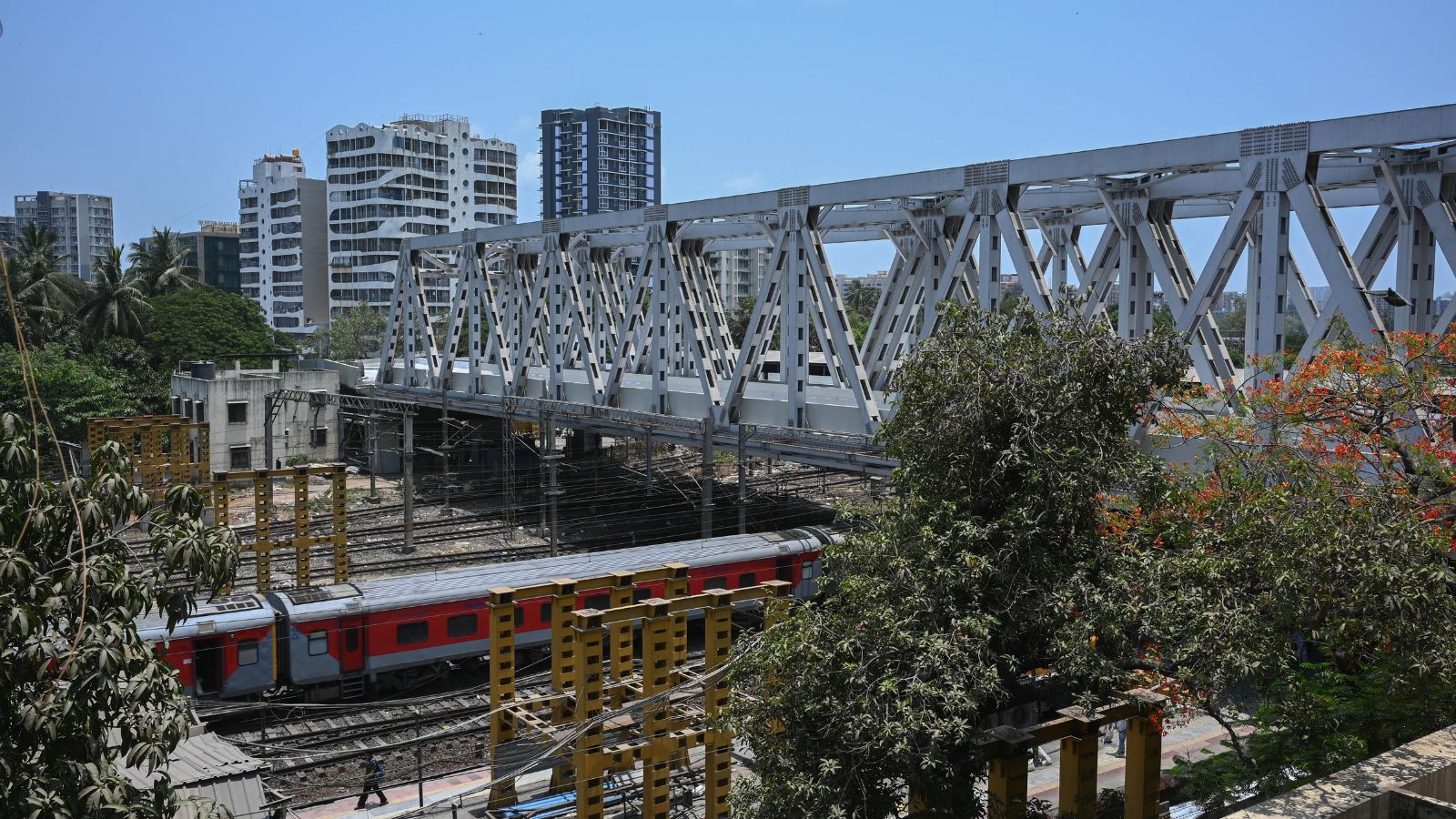
A view of the under-construction Vidyavihar flyover in Mumbai
(Express Photo/ Sankhadeep Banerjee)
The much-awaited Vidyavihar flyover in Mumbai, which was set to open for traffic in June, is likely to become operational only by next month, with the Brihanmumbai Municipal Corporation (BMC) eyeing the completion of the crucial east-west link over the Central Railway Line by August 15. The Rs 178-crore infrastructure project over Vidyavihar railway station has been designed to connect Ramkrishna Chemburkar Marg (East) with Lal Bahadur Shastri (LBS) Marg (West).
Conceived nearly 35 years ago, the Vidyavihar flyover will allow motorists to cut down their travel time to less than 10 minutes, skipping the flyovers in Ghatkopar and Kurla — a commute that otherwise takes at least 40 to 45 minutes.
The project was first conceived and incorporated in the BMC’s revised development plans of 1991. After a wait of over two decades, the tenders for the bridge were finally floated in 2016.
Features
The bridge features an open-web girder span over the Vidyavihar railway tracks, which directly links Lal Bahadur Shastri (LBS) Marg in the east with Ramkrishna Chemburkar Marg in the west by passing above the railway tracks.
Additionally, the flyover comprises a footpath catering to pedestrians, enabling direct access to Vidyavihar railway platforms.
Alignment and cost
The four-lane flyover, being built at Rs 178 crore, will extend to 612 metres, with each girder weighing 1,100 metric tonnes. It will have footpaths on either side of the bridge.
Delayed timelines over the years
Original deadline – Mid-2022
December 2024
March 2025
June 2026
Administration speaks
“Currently, the route demands a long detour and can take anywhere between 40-45 minutes during peak travel time. Once the bridge is constructed, the east-west commute in Vidyavihar will cut down to 10-15 minutes,” a senior BMC officer told The Indian Express.
Nayonika Bose is a Senior Correspondent with The Indian Express’ Mumbai bureau. While in the early stages of her career, her focused reporting on local governance and community welfare already demonstrates clear Expertise and Trustworthiness in covering essential civic issues impacting Mumbai's residents.
Expertise & Authority (E-E-A-T)
Specialized Focus: Nayonika's reporting is dedicated to civic and community issues, providing readers with highly relevant, ground-level information about the functionality and administration of India's largest metropolitan area.
Core Coverage Areas: Her articles highlight a strong focus on the fundamental quality of life and public safety in Mumbai, including:
Civic Infrastructure: Reports on critical failures and initiatives related to public works, such as the recurring problem of unauthorized building collapses in Navi Mumbai, the construction of new infrastructure projects (like the Dahisar-Bhayandar Link Road and the Mahalaxmi cable-stayed bridge), and the maintenance of essential city services (e.g., manhole cover theft).
Urban Governance & Crisis Management: Provides detailed coverage of the Brihanmumbai Municipal Corporation's (BMC) response to major crises, particularly during the monsoon (e.g., heavy rainfall, water cuts, and public health concerns like dengue and malaria) and large-scale public safety incidents (e.g., the hoarding collapse fallout).
Community Welfare & Rights: Reports on key social issues, including the financial aid scheme for persons with disabilities, the struggles of Mumbai's hawkers protesting eviction drives, and the dangers faced by workers due to the continuation of manual scavenging in water tanks.
Cultural & Heritage Reporting: Covers significant community stories, including the restoration of British-era fountains and the history of institutions like the 126-year-old Chinchpokli cemetery, showing a breadth of interest beyond pure administration.
Tweets @nayonikakb ... Read More
Stay updated with the latest - Click here to follow us on Instagram
Tags:
Mumbai
Mumbai traffic
View original source — Indian Express ↗
Related stories

Engadget
TechnologyJul 3, 2026 · 1 min
How to claim a WhatsApp username
Engadget

TechRadar
TechnologyJul 3, 2026 · 1 min
Withings BodyFit, a smart scale with a handle promising 'DEXA-level' body composition scanning, is now available in the…
TechRadar
Indian Express
TechnologyJul 3, 2026 · 1 min
Maharashtra urges Centre to raise sugar MSP to Rs 41/kg, ease export curbs
Indian Express

The Verge
TechnologyJul 3, 2026 · 1 min
Jon Prosser responds to Apple lawsuit by blaming the other guy
The Verge