Indian Express
1991 Act does not bar acquisition of worship place for public purposes: Allahabad High Court
3 min readNew DelhiJul 3, 2026 07:48 PM IST
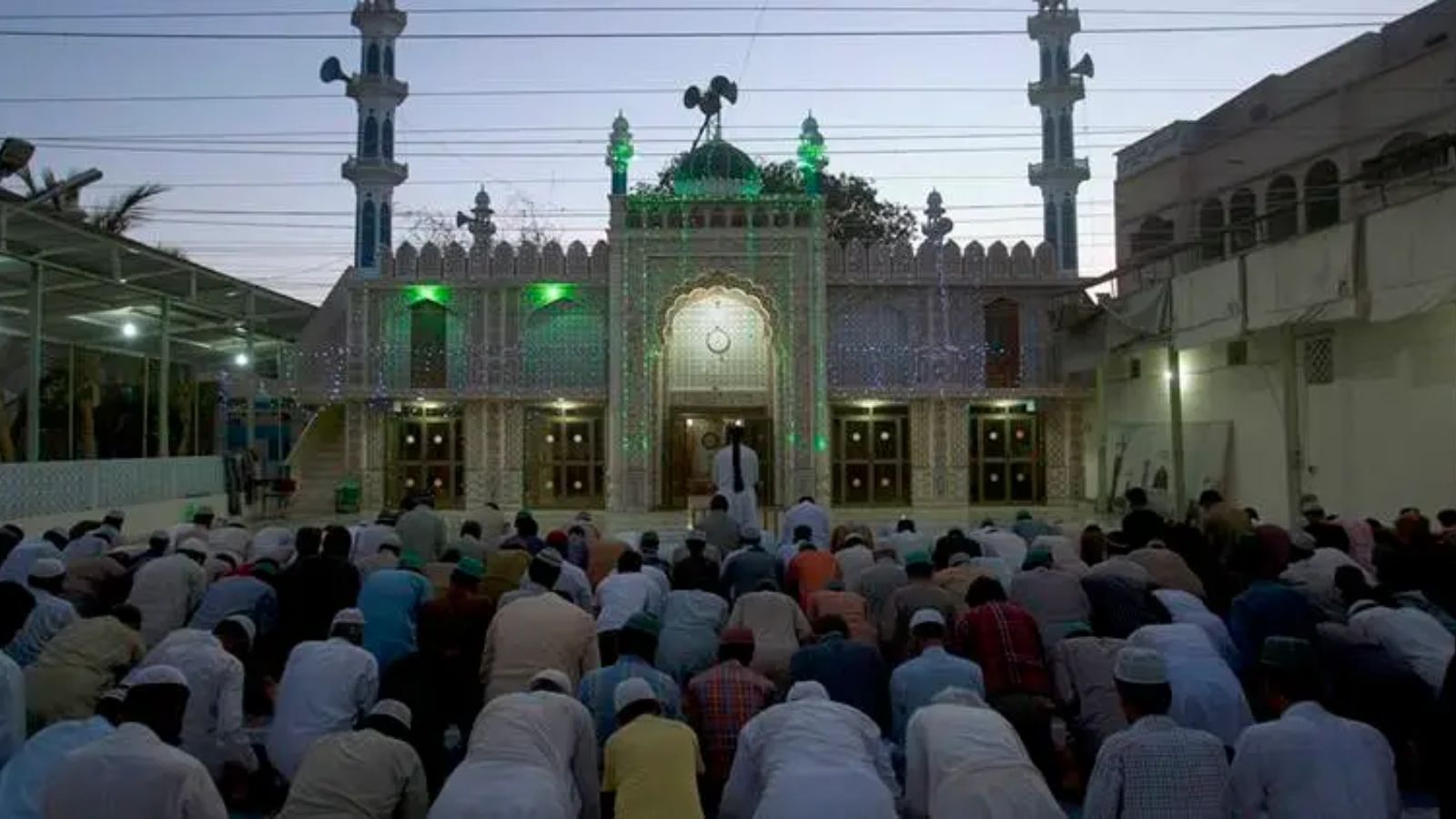
Among other protections from demolition of their shops and residences, the petitioners argued that the takeover and change of the character of the six ancient mosques would be barred under the 1991 Act. (AP file photo)
The Places of Worship (Special Provisions) Act, 1991 does not bar the government from acquiring places of worship for public purposes, the Allahabad High Court said Thursday while dismissing a writ challenging the acquisition of six mosques in Varanasi’s Dalmandi Street for expansion of the Kashi Vishwanath Dham Corridor.
A bench of Justice J J Munir and Justice Arun Kumar said, “The Act of 1991 does not prohibit the Government from acquiring religious land for larger public purposes. Under the Act of 2013, the Government has the sovereign power to acquire any property, including religious property, for public purposes, such as building roads, highways or public infrastructure.”
The bench termed the relief sought a “misconstruction of the scope of the Statute”. It was hearing a batch of pleas by shopkeepers and tenants in the Dalmandi Market area, which is about 800 metres to the east of the Kashi Vishwanath temple.
Among other protections from demolition of their shops and residences, the petitioners argued that the takeover and change of the character of the six ancient mosques would be barred under the 1991 Act. The law retrospectively froze the religious character of all places of worship except the (then) disputed structure in Ayodhya as they stood at the dawn of Independence.
The government told the bench: “The purport of the Act of 1991 is not to place beyond the pale of authority of the State’s right as the owner paramount of all lands in the territory of India and to acquire and use it for any public purpose, subject, of course, to the owner’s right to receive just and fair compensation. That is what the doctrine of eminent domain, after all, means. The Act of 1991 is not meant to derogate from that right of the State.”
According to the petitioners, the six mosques – Anjuman Intezamia Masjid, Masjid Rangile Shah, Masjid Ali Raza Khan, Masjid Karimullah Baig, Masjid Nisaran and Masjid Sangamarmar – predate the cut-off in the 1991 law.
The ruling noted that the government, in an order dated March 31, 2025 and July 30, 2025, were issued by the state government, allocating a budget of Rs 21,588.24 lakh for the purpose of “widening and beautification of the Dalmandi Street.”
Story continues below this ad
The bench also dismissed the petitioner’s pleas on the grounds that they had no right to challenge the acquisition as tenants of the land. It said it had decided the pleas “without prejudice to the rights of the State, the Waqf Board and the Mutawalli of mosques concerned to suit their rights in appropriate proceedings, if and when the occasion arises. So far as the petitioners are concerned, we are of the opinion that they have no right to any of the reliefs that they seek.”
Apurva Vishwanath is the National Legal Editor at The Indian Express, where she leads the organization’s coverage of the Indian judiciary, constitutional law, and public policy. A law graduate with a B.A., LL.B (Hons) from Dr. Ram Manohar Lohiya National Law University, Apurva brings over a decade of specialized experience to her reporting. She is an authority on judicial appointments and the Supreme Court Collegium, providing critical analysis of the country’s legal landscape.
Before joining The Indian Express in 2019, she honed her expertise at The Print and Mint.
Follow her insights on the intersection of law and governance on Twitter ... Read More
Tags:
allahabad high court
Places of Worship Act
View original source — Indian Express ↗
Related stories

CNA
BusinessJul 3, 2026 · 1 min
Fiserv, service station operators including BP warn US stores on illegal vapes
CNA

TASS
BusinessJul 3, 2026 · 1 min
Energy crisis not yet affecting food prices owing to reserves — FAO
TASS

Bloomberg
BusinessJul 3, 2026 · 1 min
CPP Invests $1.75 Billion in EQT’s AI Infrastructure Buildout
Bloomberg

MarketWatch
BusinessJul 3, 2026 · 1 min
AI infrastructure stocks have overtaken big tech hyperscalers in an ‘extraordinary’ shift, says UBS research arm
MarketWatch