
RNZ
Country Life: Drilling down into drones on farm
Drones of the honey bee kind don't sting and are a bit of a slacker around the hive, but the man-made variety have a definite sting and are far from slack.
South Canterbury drone-maker SPS Automation has joined the fight against invasive plants that have been a scourge of New Zealand's countryside for years, attacking the likes of gorse, pampas grass and especially wilding pines.
Owned by Timaru agri-tech businessmen William and John Rolleston, the company grew out of Aeronavics in Raglan, before relocating to South Canterbury.
"The efficiency gains with drones are significant," William told Country Life.
"We did a job down in Southland, which was about 500 hectares. What took a neighbouring ground crew about two weeks to do on a similar block, we did in two days."
Follow Country Life on Apple Podcasts, Spotify, iHeart or wherever you get your podcasts.
Chief executive and chief technology officer Scott Spooner said they saw a gap in the market for agricultural drones dealing with noxious weeds.
"Most of the agricultural drones coming in from overseas focused on spraying crops, but we saw invasive plants taking over our hillsides.
"We wanted to build something tailored for New Zealand to control some of these invaders, especially wilding pines."
Up to two million hectares of the country are infested with the trees and the government is injecting $109 million into eliminating them over the next three years.
For Spooner, the core purpose of their drones is nailing the wildings.
Their spread is accelerating faster than current funding can match and drones can't solve the problem alone, he said.
"There is enough work for ground crews, helicopters and drones, but we can target a lot of really complicated areas very effectively, particularly as we move into swarm automation, where 10 or more drones might be operating together with one pilot in a control room.
"These machines could be running 24 hours a day, clearing up as many of these noxious trees as possible."
Production manager Roland Sommer is proud they are creating drones for the public good.
"There is so much in the media about drones for warfare, but we can make a big difference to the world and especially ecologically using drone technology."
The Timaru team also includes pilot Hayden Jorgenson, a dairy farmer for 30 seasons, who has been the company drone pilot for just over a year.
"They taught me to fly drones and I taught them what weeds look like, and here we are now."
Related stories
TechRadar
TechnologyJul 4, 2026 · 1 min
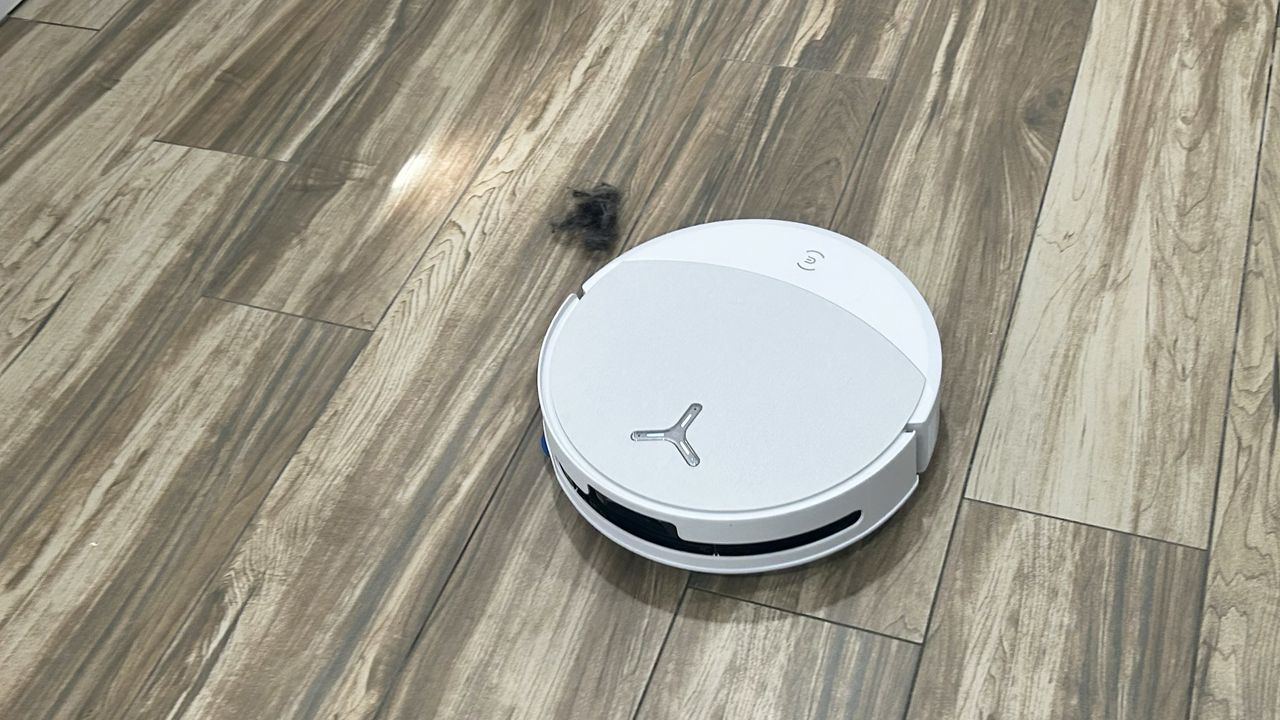
For a brand that made robot vacuums accessible, my faith in Ecovacs is shaken after using the Deebot T90 Pro Omni
TechRadar
BBC
TechnologyJul 4, 2026 · 1 min
UK temperatures forecast to exceed 30C as another heatwave imminent
BBC
ABC News
TechnologyJul 4, 2026 · 1 min
How fashion is helping high school students find healing
ABC News

The Punch
TechnologyJul 4, 2026 · 1 min
Why I use silence to reach global audience — Olakliz
The Punch